
Beth Shalom names Rabbi Kara Tav its first rabbi of spiritual care
“This is my expertise. I know how to call a stranger and say, ‘I know you're hurting, and the congregation wants to be able to support you.’”
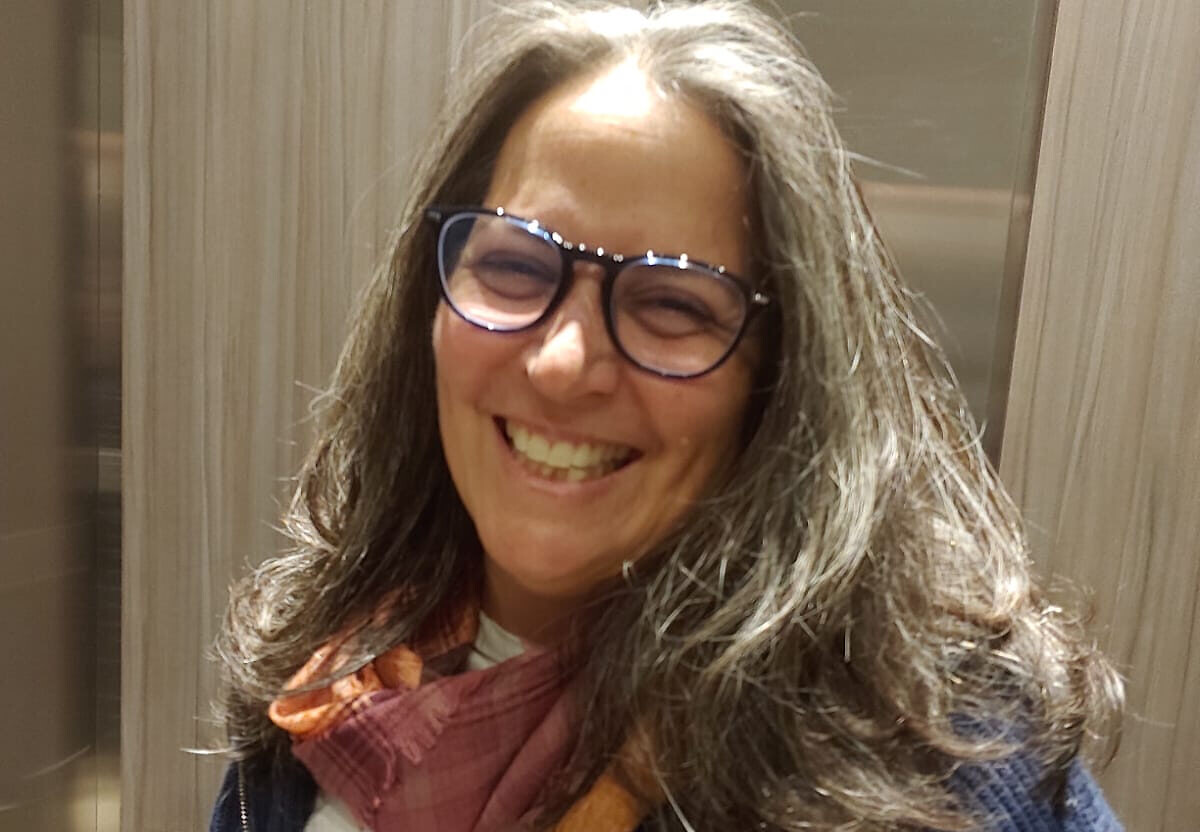
Even before rabbinical school, Rabbi Kara Tav never saw herself on the pulpit. She envisioned herself at people’s bedside, on their doorstep and with them at life’s most difficult moments.
“I’m one-on-one, not one-on-300,” she told the Chronicle, laughing. “I knew I wanted to be a professional, caring person, and I wanted people to feel like Jewish theology, philosophy and communal life could be healing.”
Now, as the first rabbi of spiritual care at Congregation Beth Shalom, Tav will work alongside Senior Rabbi Seth Adelson to meet the needs of the congregation’s nearly 600 families. She succeeds former Assistant Rabbi Mark Goodman, who departed Beth Shalom at the end of June.
Tav’s role, however, represents a different model — one centered on personalized spiritual care.
“We made the decision to hire Rabbi Tav so that we could provide much more than we have ever provided in the past,” Adelson said. “Not only will we be sharing these responsibilities, but because she has more time in her schedule to dedicate specifically to [spiritual care] she will be able to track our members much more effectively. She is truly a talent, and I think that our community will benefit tremendously from having her on staff.”
Tav’s role will ensure that the congregation can “reach deeply” and maintain regular contact with members who are unable to attend synagogue, Adelson added.
“We have an expression in Yiddish — you only have one tuchus, so you can only dance at one wedding at a time,” Tav said. “Rabbi Adelson has 100 jobs to do all the time. He’s [the congregation’s] spiritual leader, but he can’t offer direct care to each person’s needs in the way they need because he’s just one human.”
Congregation President Paul Teplitz noted that Tav’s position ensures that “everyone has the ability to connect with Beth Shalom in both a time of need and a time of joy.”
“This is my expertise. I know how to call a stranger and say, ‘I know you’re hurting, and the congregation wants to be able to support you,’” Tav said. “I work to help people to be able to heal themselves — because I firmly believe everyone can, and I think that God and Jewish communal life can be part of that healing.”
Tav brings more than two decades of experience as an educator, and 18 as a hospital chaplain. Her new role also marks a homecoming: She directed Beth Shalom’s Hebrew School in the late 1990s, before moving to New York. She returned to Pittsburgh in 2024, following the pandemic.
“I saw hundreds of people die. You can’t hold that kind of vigilance for that long,” she said. “It was brutal, and I fell apart. I said to my husband, ‘We gotta go’… [Pittsburgh] was the place that was warm and small enough and big enough and green enough and expensive enough and friendly enough and Jewish enough — we were obviously coming back here. We didn’t even have to think about it.”
Tav emphasized that her primary goal is to ensure that the congregation feels cared for, especially given the weight of recent events.
“This community has been through a lot,” she said. “We lived through the [Pittsburgh synagogue shooting], and then a year later, we were isolated in our homes because of COVID, and then not long after that, there was Oct. 7, and the war in Israel, and the ripples and repercussions of that that are still deeply affecting our community. I think there’s a lot of healing to do, and people are starting to know. They’re starting to say that they need it.”
She also hopes to train members in Jewish traditions of visiting the sick, creating a network of volunteer congregants who are well equipped to support each other in times of need.
“The best thing that can happen is that this community starts to be able to care for itself, but they need to know how to do that,” she said. “I think we should jump in. We should cook a meal and drop it off. We should see if there are library books that can be given back to the library, or dogs that need a walk, or kids that need to be picked up from preschool — things that make a community care for each other.”
For Tav, spirituality is ever-present, found in the weeds of a garden just as much as in the pages of the Torah. Her goal, she says, is to help congregants recognize the sacred in their own lives.
“I use the expression ‘spiritual care’ because I’m not going to lead services or help [congregants] make their kitchen kosher, or teach their children for their bar mitzvahs,” she explained. “But I might help that same bar mitzvah family see it as more than steps to go through — see it more as something that can change them, that creates a link in a chain.”
When asked if she hopes her work can serve as a model for congregations across the country, she smiled.
“That’s like a dream,” she said. “I don’t even say that out loud. But I know that people need it.” PJC
Octavia Liku can be reached at oliku@pittsburghjewishchronicle.org.
comments