
On Simchat Torah, a toast to learning about wine
Many people find it daunting to learn about wine, but there are many educational resources out there depending on what you’re looking for.
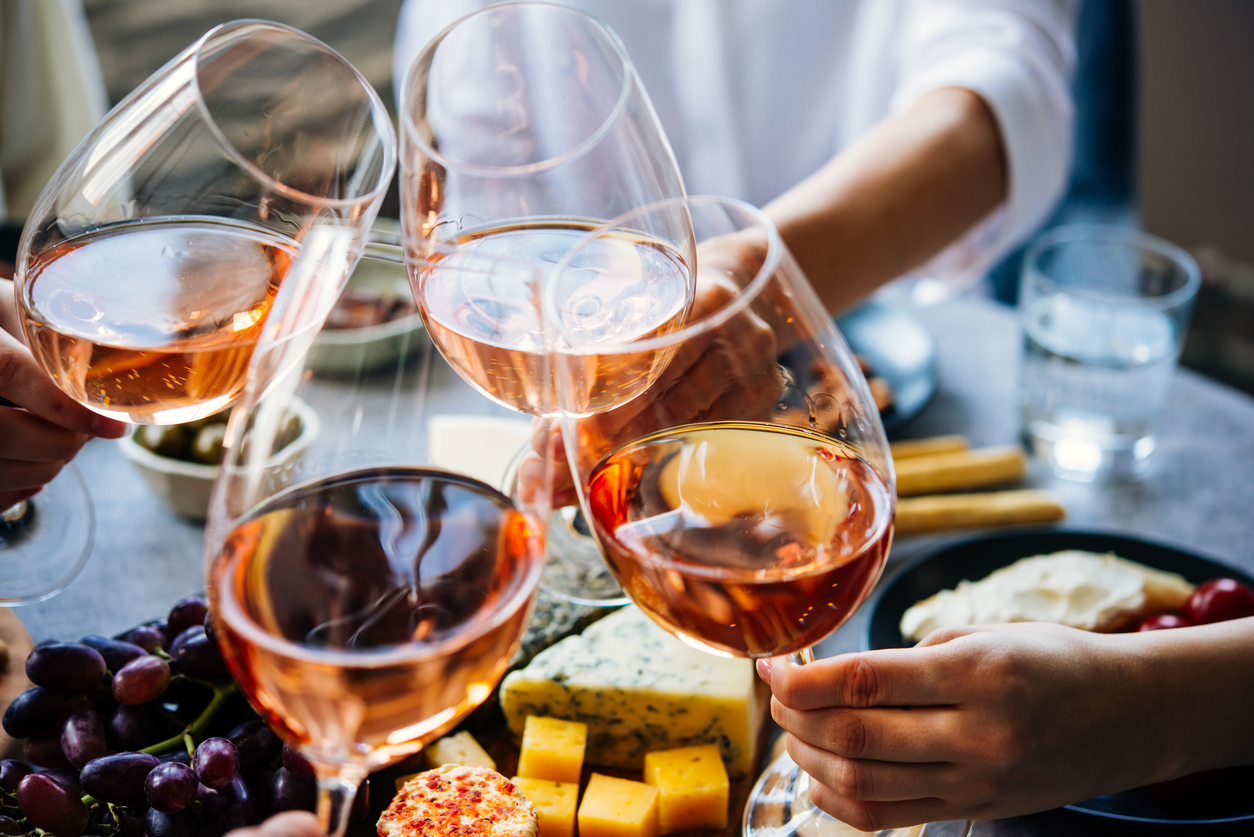
Simchat Torah is the last but by no means the least of the fall Jewish holidays. It’s one of the most joyous holidays on our calendar. I once heard a rabbi say that if you were only going to celebrate two Jewish holidays, Purim and Simchat Torah were the two to pick — maximal fun and minimal angst. There isn’t much of a tradition of sitting down for a meal on Simchat Torah, given that it’s observed in the synagogue rather than the home. Plus, the tradition of dancing around with the Torah leaves little time for sitting down for a glass of wine.
So, rather than rattling off hypothetical pairings (though don’t worry, there will be wine), I want to focus on something else: wine education. Simchat Torah encourages us to value learning and find joy in study. Many people find it daunting to learn about wine, but there are many educational resources out there depending on what you’re looking for.
The Wine & Spirit Education Trust is a good place to start, particularly if you have any aspirations of working in wine as a profession. WSET offers four levels of certification that increase in difficulty and scope. WSET also offers a kosher-specific branch of its classes to make it accessible to those who keep strictly kosher. You can find those at Capital Wine School taught remotely.
Get The Jewish Chronicle Weekly Edition by email and never miss our top stories Free Sign Up
In Pittsburgh, Deb Mortillaro of Palate Partners offers WSET classes on a rolling basis (though not with kosher wines). Palate Partners, a subset of wine shop and distributor Dreadnought Wines, is another great place to deepen your wine learning. They offer courses and tastings on wine pairings, winemaking, and specific regions and varietals. Dreadnought’s classes make great group outings to improve your wine knowledge.
The other big governing body for wine education is the Court of Master Sommeliers. WSET is more focused on theory and knowledge, but the Court of Masters is more geared toward on-the-ground service in restaurants. CMS has a 1, 2, 3, and Master level as well. If someone has Master Sommelier certification, you know they mean business. However, both WSET and CMS use a systemic method for tasting wine and both can be useful for laypeople who want to learn more about wine.
If you’re interested in learning about something specific like Champagne or Burgundy, there is also an organization called Wine Scholar Guild that offers region-specific certificates. Or, if you find yourself curious about kosher wine in particular, the Kosher Institute of America offers a specific masterclass on the ins and outs of kosher certification for wine and liquor, taught by Rabbi Akiva Niehaus, who runs a kosher bar.
Pittsburgh has a growing number of small wine shops, too, which offer a straightforward way to learn more about wine without taking any formal course at all. P’Vino (5726 Ellsworth Ave.), where I work, has free tastings every month and we love to talk to people about wine. Cuvée (5886 Forbes Ave.) and Solera (4839 Butler St.) also have dedicated staff and varied selections that go beyond the state store offerings. Those of us who work in boutique wine shops learn to pick up on what regular customers might like based on their existing taste. We want to help!
Now, for some wine recommendations. Though you might not have a dinner planned for Simchat Torah, and popping a bottle while dancing with the Torah is probably not a good strategy, the holiday is a great excuse to celebrate. To mark the occasion of finishing the Torah scroll, the Laurent-Perrier Cuvée Brut Champagne is an excellent champagne that happens to also be kosher ($89.99, not mevushal).
The tail end of the fall holiday season, with agriculture or harvest-based holidays like Sukkot and Sh’mini Atzeret, is also a good opportunity to sample some producers making wine in Israel. Psagot, in Judea, makes some of the best value Israeli wine — their Sinai 2024 blend of shiraz, cabernet sauvignon, petit verdot, and petite syrah is only $24.99 (mevushal). Their rosé is also mevushal and the same price, great for a porch pounder while the warm temperatures last a little longer.
However you’re observing Simchat Torah, this part of Jewish tradition encourages intentionality and curiosity about everything from wine to sacred texts. Take time this season to celebrate your own milestones, too, even if you didn’t participate in the cycle of Torah reading … there’s also always a chance to start after the holiday. L’chaim! PJC
Emma Riva is a freelance writer living in Pittsburgh.
comments