
Jewish Barcelona: The debate that started in 1263 and still hasn’t ended
Barcelona's Jewish sites are small, unmarked and easy to walk past — which may be the point.
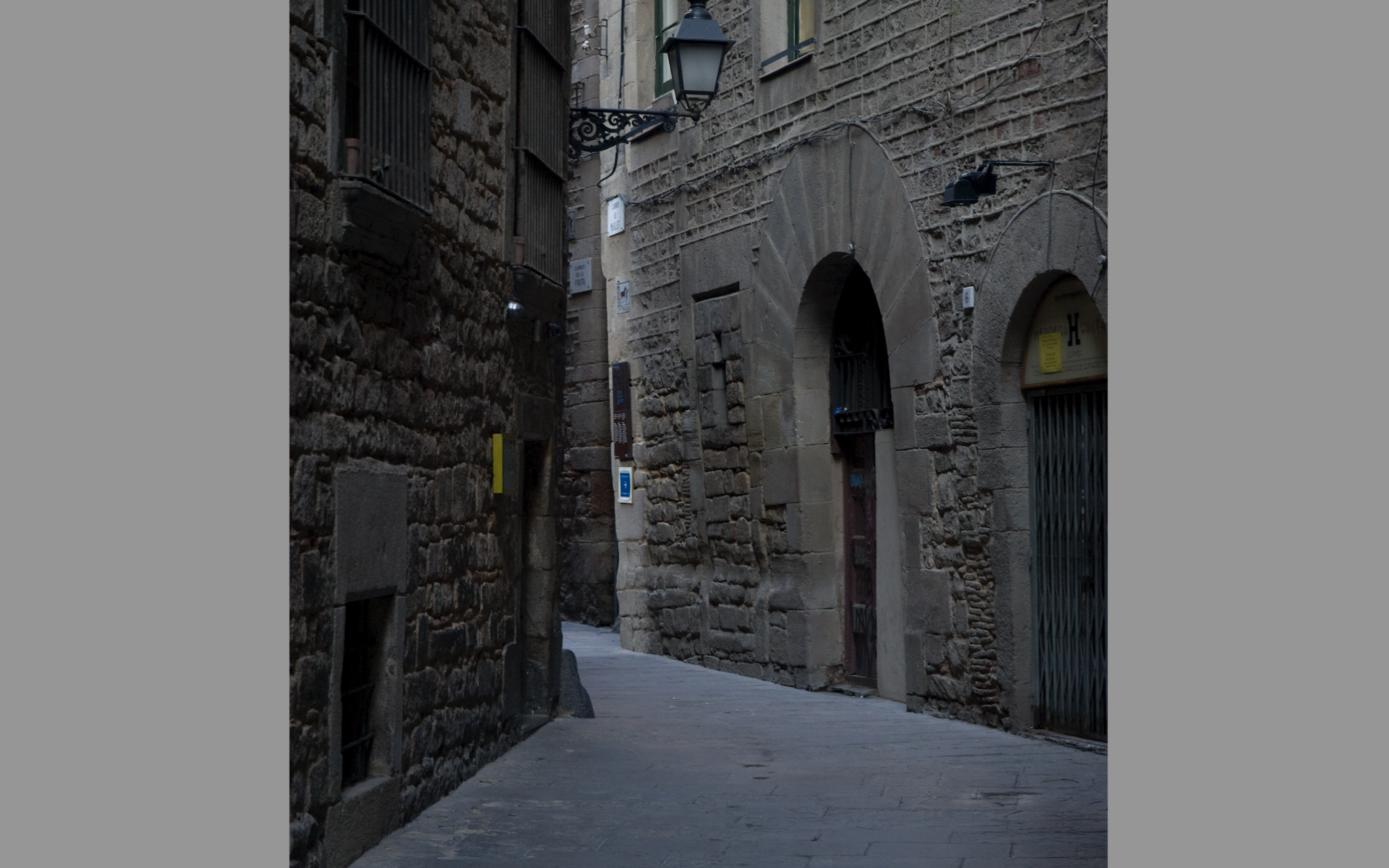
“They gave him four days,” our guide said, walking ahead of us down a lane barely wide enough for two people. “Four days to defend Judaism in front of the king, the court and the Dominican order.”
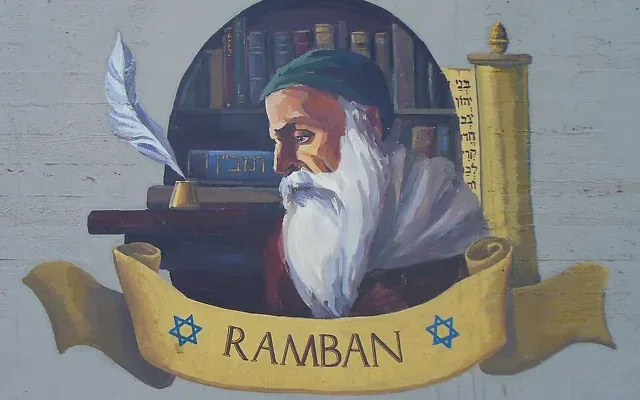
It was September of last year, and I was in Barcelona’s old Jewish quarter with my wife and our two children. The man he was describing was Moses ben Nachman of Girona — the Ramban, whose commentary still turns up in these pages whenever a rabbi reaches for a difficult verse. In July 1263 he was summoned to the royal palace in Barcelona and made to argue, in public, whether the messiah had already come.
A quarter that doesn’t announce itself
The quarter is called the Call, from the Hebrew qahal, meaning community. It sits inside the Gothic Quarter, and if nobody tells you where it begins you will walk through it on your way to somewhere else. The lanes are shoulder-width. The stone is the same stone as every other street.
Our local guide, an Israeli who lives in the city, kept stopping to explain who had lived here. Physicians to the Aragonese kings. Financiers. Translators who moved Arabic science into Latin. Poets. At its height this was one of the most accomplished Jewish communities in Europe, and it was housed in streets designed to be easy to miss.
The room that faces the wrong way
We came to the Sinagoga Major down a few steps, below the level of the street. It is believed to be the oldest synagogue in Spain, with origins that may reach back to the third or fourth century. It is also very small. From outside, there is almost nothing to see.
Inside, our guide asked the children what felt strange about the room. They worked it out before I did: It is crooked. Every building around it follows the Roman street grid that Barcelona has kept for 2,000 years. This one turns east, toward Jerusalem. When archaeologists began excavating in 1996 that misalignment was one of the clues that told them what they had found.
He won but lost everything
The disputation ran for four days in the royal palace that stood at what is now Placa del Rei, a five-minute walk from where we were standing. Nachmanides was permitted to speak freely — not a small privilege to be awarded him. Both sides afterward claimed to have won. The king gave him a gift of money and told him he had never heard a “worse cause” better defended.
Then the Dominicans obtained the written account Ramban had made of the debate, and the protection ran out. He left Aragon and never came back. He died in the Land of Israel a few years later as an old man who had won an argument but lost everything.
The community he belonged to lasted another 128 years. In the summer of 1391, riots that had begun in Seville reached Barcelona. The Call was destroyed and the community never re-formed. That is why the sites here are so small: There is no medieval Jewish Barcelona to visit. There are only traces of one.
Nothing lasts forever
This is the part of the walk I find hardest, and the reason I keep bringing people here.
The Jews of 14th-century Catalonia were not a tolerated minority clinging on at the edges. They were established, prosperous and close to power. If you had asked them, I think they would have told you their position was permanent. But within a single lifetime it was finished.
Jewish heritage journeys through the top Jewish sites in Spain, the Call and the Sinagoga Major, are the two places where that thought lands strongest. It sits oddly alongside the rest of the day. For families traveling with children, a Gaudi hunt can be added, running between his buildings solving clues, and the kids finish it delighted. The same city gives you both: a treasure hunt in the afternoon and a vanished world in the morning.
What the news says, and what the street says
Barcelona’s relationship with Israel has been publicly difficult. The city suspended its sister-city agreement with Tel Aviv and later restored it. An Israeli film festival changed venue over security concerns.
So I asked our guide directly. He is Israeli, he lives there, and he does not hide it. He told me he has encountered no animosity — not toward him, and not toward his children at school. Spaniards can be critical of the Israeli government, he said, and entirely respectful toward Jews. The headlines and the street do not always describe the same country.
Why go?
Toledo and Girona give you a quarter to walk through. Barcelona gives you something stranger: an absence inside a busy, working, modern city, marked by a crooked little room most visitors pass without noticing.
The argument Nachmanides was summoned to have was settled long ago. Nobody in Barcelona is debating the messiah. What has never quite ended is the other question underneath it — how much room this city is willing to give its Jews — and Barcelona has answered it differently in every century since. PJC
Asaf Peled is the founder and CEO of Shin Tours, which specializes in Jewish heritage travel to Morocco, Spain, Portugal, Italy, France and Israel.
comments