
Ukrainian Jewish painter Janet Sobel subject of upcoming Beit Kulanu lecture
Exploring artist's 'rise to the top of the New York art world'
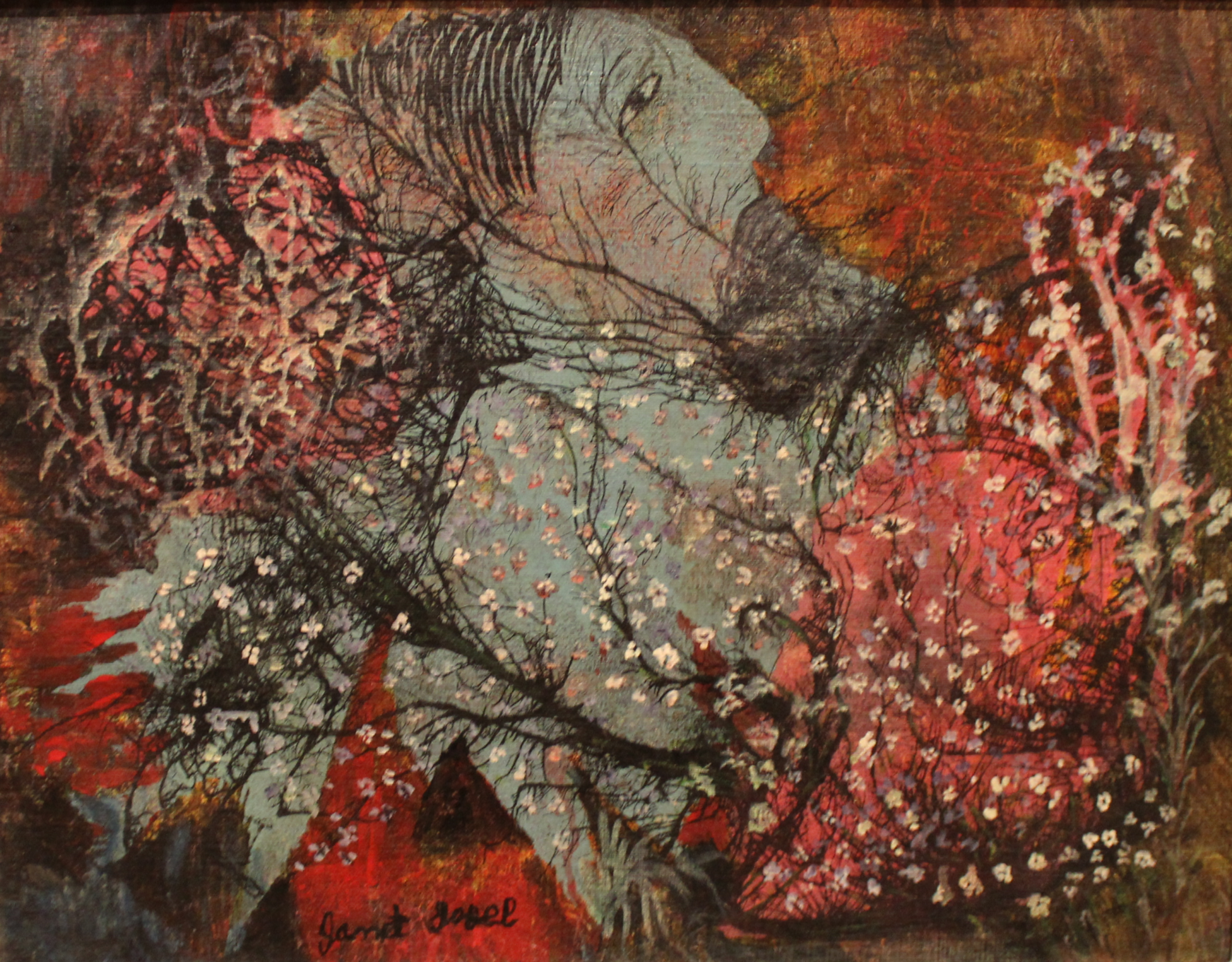
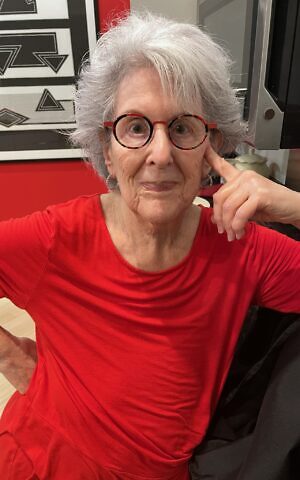
Art historian and Beit Kulanu member Cynthia Weisfeld is seeking to preserve the memory of an often overlooked painter. Through digital slides, and brief remarks on Dec. 9, the Mt. Lebanon resident will educate attendees of Beit Kulanu’s Levaur Lecture about Janet Sobel’s “rise to the top of the New York art world,” Weisfeld said.
Sobel, a Ukrainian Jewish immigrant, began painting nearly 90 years ago inside her Brighton Beach apartment. At first, the neophyte utilized scraps of paper, pieces of cardboard and seashells; the mother of five and grandmother, even employed her children’s art materials.
Eventually, however, Sobel developed a technique that later inspired Jackson Pollack, Weisfeld explained.
Despite lacking any formal artistic training, Sobel relied on “self-invented automatic techniques that resulted in abstract allover compositions, with paint dripped in spatters and continuous looping lines,” according to The Museum of Modern Art.
Interest in Sobel’s work grew thanks to one of her children, Sol Sobel, who recognized the immense value of her approach.
“She had a wonderful, wonderful son who was an artist and acted as her impresario and introduced her to the New York art world,” Weisfeld said.
Group exhibitions and two solo gallery shows in New York soon followed.
Janet Sobel was born in a shtetl near Dnipro in modern Ukraine, and moved with her family to the United States in 1908, after her father
was killed in a Russian pogrom.
Within her figurative paintings, according to MOMA, she often integrated childhood memories, including nods to Ukrainian folk art, Jewish families and soldiers.
But, as Weisfeld explained, some of Sobel’s greatest contributions came via a particular artistic technique.
Described as “all-over painting” by art critic Clement Greenberg nearly 80 years ago, the approach treats a canvas surface with “uniform significance” and negates a particular focal point on a painting.
Years after Sobel’s start, the style’s popularity grew thanks to Jackson Pollock, an American abstract expressionist painter recognized for his “drip technique.”
Sobel’s best-known work, “Milky Way” (1945) was created a year before Pollock’s first drip painting, “Free Form,” according to the Ukrainian Museum.
Weisfeld, an art historian who often writes for Journal of the Print World, a quarterly newspaper focused on antique and contemporary works of fine art on paper, said she’s looking forward to sharing more about Sobel and her contributions to the art world during the Levaur Lecture, on Dec. 9 at 7 p.m. at Beit Kulanu.
Part of the evening’s goal is that attendees should leave “wanting to know more,” Weisfeld said.
“That’s always the way a good lecture should end: that you didn’t have enough, and you want more.”
The other objective, Weisfeld said, is that whether someone is an art aficionado or creative neophyte, the upcoming program is a chance for individual and communal enrichment.
Taking the time to learn is essential, she said. “If you sit still and you let your mind grow fallow, the weeds come in. And when the weeds come in, there can be no beauty growing.” PJC
Adam Reinherz can be reached at areinherz@pittsburghjewishchronicle.org.
comments