
Burial wishes belong in Jewish family planning
For families considering burial in Israel, advance planning becomes particularly important.

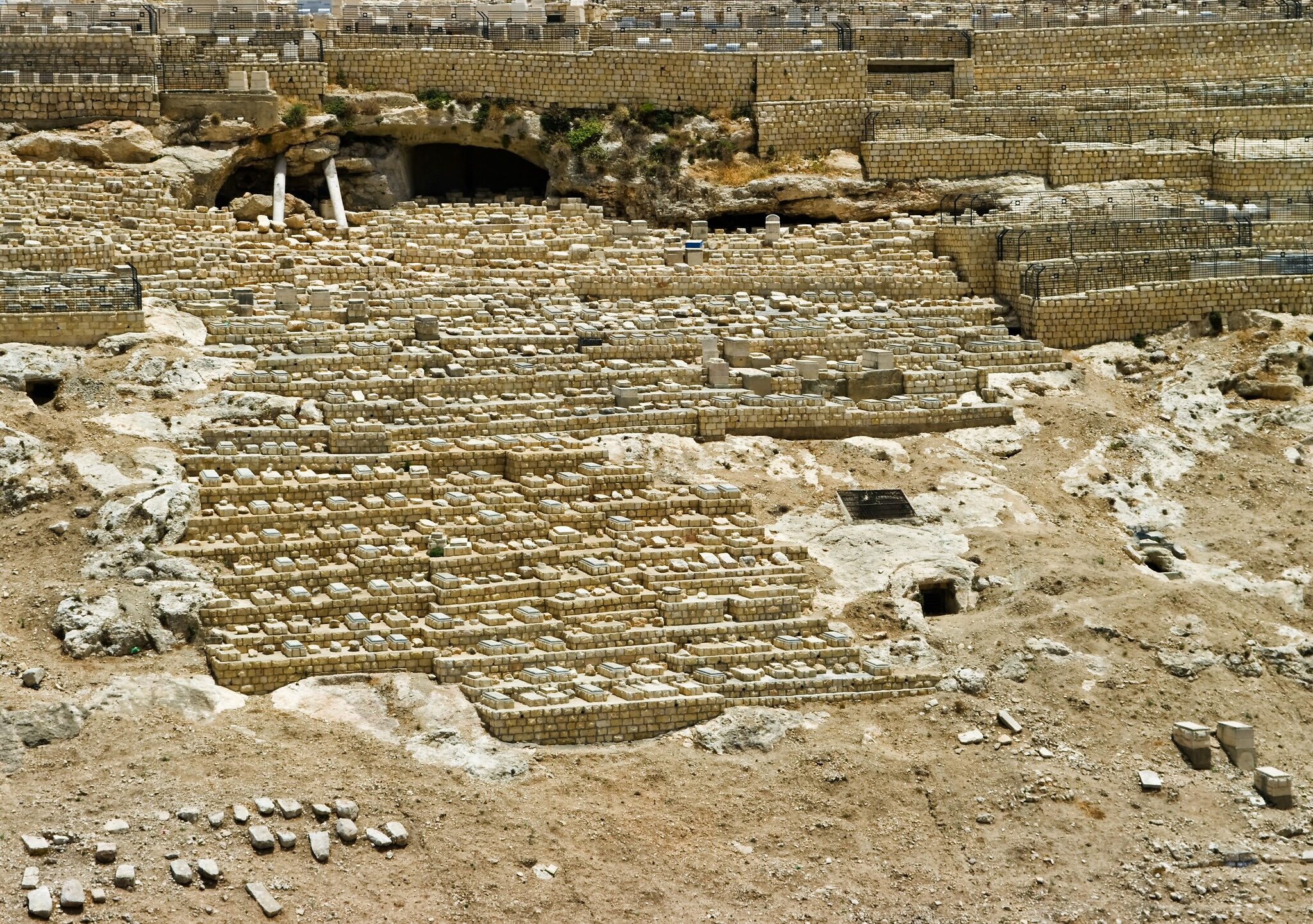
Jewish families are often careful planners. We think ahead about education, retirement, wills, inheritance and the needs of aging parents. Yet one important subject is frequently left until the last possible moment: where and how a person wishes to be buried.
It is understandable why families avoid the conversation. Burial feels distant, uncomfortable and difficult to raise. But when wishes are not discussed in advance, relatives may find themselves making significant decisions during the most stressful days of their lives. A short conversation beforehand can spare a family uncertainty, disagreement and unnecessary pressure.
The first step is simply to make one’s wishes known.
Get The Jewish Chronicle Weekly Edition by email and never miss our top stories Free Sign Up
A person does not need to prepare a complicated document. At a minimum, close family members should know the preferred cemetery, whether there is already a family plot, and whether there are any particular burial arrangements that matter to the person.
It is also useful to write the information down. Family members may remember conversations differently, especially years later. A simple written record can include the preferred burial location, cemetery contact information, plot details if one has already been purchased, and the name of the person or organization that should be contacted when the time comes.
That document should be kept somewhere accessible. Putting burial instructions in a place no one knows about defeats much of the purpose of planning.
Families should also consider who will be responsible for carrying out those wishes. Often one child assumes another knows what to do. Sometimes different relatives have been told different things. Naming one or two family members who understand the arrangements can make the process much smoother.
For families considering burial in Israel, advance planning becomes particularly important.
Burial in Israel has a deep significance for many Jews in the Diaspora. Some feel a strong connection to Eretz Yisrael and want their final resting place to reflect that connection. Others may already have relatives buried in Israel or hope for a family burial location there.
But burial overseas involves practical questions that should not be left until an emergency.
Families need to know where the burial will take place, whether a plot has already been purchased, who will coordinate arrangements in Israel and what will be required to transport the deceased from the country where the death occurs.
There may also be documents, airline arrangements and coordination between the local chevra kadisha, funeral home and burial authorities in Israel. None of these matters is impossible to arrange at the time of need, but having the basic information ready can substantially reduce confusion.
Cost is another reason to plan in advance.
Cemetery prices vary considerably depending on location, cemetery and type of plot. A family that begins looking only after a death may feel compelled to make a quick decision without understanding the alternatives. Planning earlier allows relatives to ask questions, compare options and make a considered decision without the pressure of an immediate burial.
The conversation should also include practical questions that families sometimes overlook. Should spouses be buried next to one another? Is there a particular city or cemetery that matters to the family? Have other relatives already purchased nearby plots? If a plot has been purchased, does everyone know exactly where the paperwork is kept?
These may sound like small details, but after a death they can become major sources of anxiety.
Advance planning is not about dwelling on mortality. It is really about taking responsibility for the people who will eventually have to make these decisions.
Jewish families already understand the value of planning for the future. We prepare legal documents, organize finances and make arrangements intended to protect our families. Burial wishes deserve a place in that same conversation.
The subject may never feel easy to raise. But a thoughtful discussion today can provide clarity years from now and allow a family, when the time eventually comes, to focus less on urgent decisions and more on honoring the person they have lost. PJC
Mordechai Ovadia works with Land of Israel Burials, helping Jewish families in the Diaspora understand the options and practical arrangements involved in burial in Israel. More information is available at LandofIsraelBurials.com
comments