
Older adult programming offers researchers and participants opportunities to learn
'We're going to be able to help guide and share information that we have'
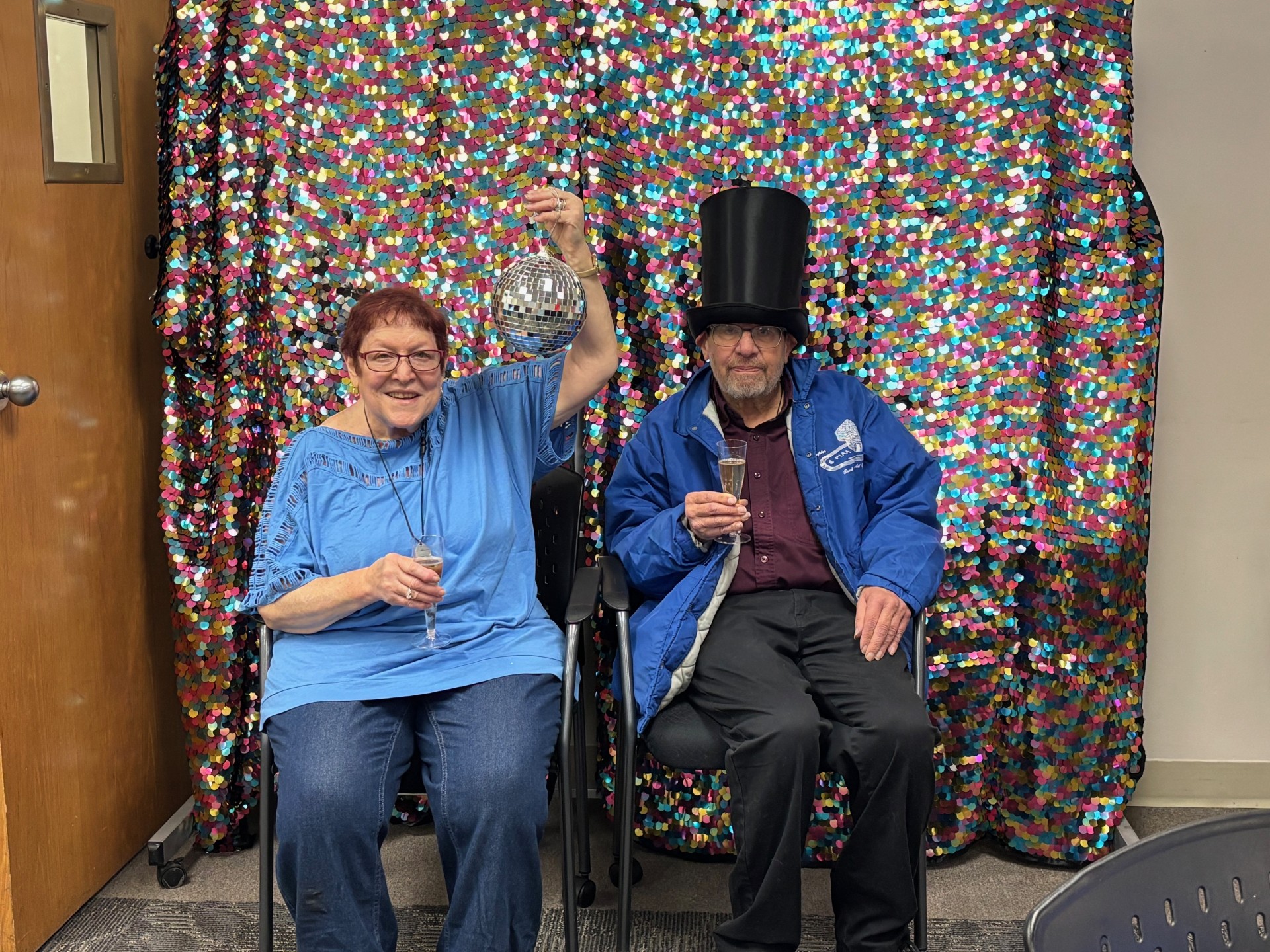
The Jewish Community Center of Greater Pittsburgh is collaborating on a new dementia-support model designed to better serve caregivers and those experiencing cognitive changes.
Researchers will rely on experiences of staff and attendees from both the JCC in the South Hills and Squirrel Hill, as well as from Riverview Community Action Corporation in Oakmont and Vintage Center for Active Adults in East Liberty, in an effort to identify various needs.
The project, which is organized and overseen by local partners, including Dementia360, a program of Presbyterian SeniorCare Network; the University of Pittsburgh School of Social Work; and Allegheny County Area Agency on Aging, will begin next month and span nearly three years.
Amy Kowinsky, executive director of Dementia360 at Presbyterian SeniorCare Network, believes the pilot program will yield a community-based model better equipped to meet regional demands.
“Life doesn’t teach anyone how to become a dementia caregiver,” she said. “Our goals are to help caregivers feel more confident and supported while also preparing senior center staff to better serve older adults experiencing cognitive changes and their families.”
Approximately, 40% of adults aged 65 and over experience “some form of memory loss,” noted researchers in Nature.
Allegheny County, with its sizable older adult population — nearly one in five Allegheny County residents are 65 or older, according to the U.S. Census Bureau — is a perfect place to learn.
Sharon Feinman, division director of AgeWell at the JCC, welcomed the opportunity for researchers to gain insights from JCC programming, staff and constituents.
Along with a host of individuals who can speak to personal and professional experiences regarding older adult care, researchers can observe numerous engagements within both the Squirrel Hill and South Hills sites, she said. “We’re going to be able to help guide and share information that we have.”
In many ways, the JCC is a “living lab,” she added.
Hillary Green, program coordinator at AgeWell at the JCC, echoed Feinman’s comments and said she looks forward to sharing any expertise derived from working with older adults and their caregivers.
Of note, Green mentioned, is a monthly program, hosted at both the JCC in Squirrel Hill and in the South Hills, called Memory Café.
The regular get-together welcomes individuals with memory loss and their caregivers, family or friends, to, what Green described as, a “safe, supportive and engaging environment.”
Memory Café is a chance to create new friendships and interact with others “without fear of embarrassment or being misunderstood,” she said.
One of the unique aspects of the program is that as opposed to putting caregivers on one side of the room and care partners on the other — and have each demographic speak to their experiences — Memory Café coalesces attendees in an effort to “bolster and support that pre-existing relationship,” according to Green.
Regardless of activity, whether it’s playing cards, creating a craft or storytelling, “people do things within their abilities,” she said. Additionally, activities are performed “collaboratively, so no one feels like, ‘Oh, I’ve lost this fund of knowledge, and I’m not smart, or I don’t know what I’m doing.’ We do things collaboratively.”
Part of what’s great about Memory Café, according to both Green and Feinman, is that the program serves diverse constituents.
Many times, individuals experiencing cognitive changes are reluctant to attend related programming; similarly, caregivers, who are often loved ones, are hesitant to join such groups.
For both parties, “there’s so much stigma,” Green said.
This program is about getting past that and not only improving the quality of life for both caregivers and those with diagnoses. Often, “there was a preexisting relationship” between parties and that “sometimes gets lost in that caregiver-like transactional relationship.”
Thanks to funding from the Jewish Healthcare Foundation, both the JCC and Vintage operate local “Memory Café” programs.
Feinman said each site has a slightly different feel, however, the commonality is a genuine care for attendees and a desire to improve experiences for both caregivers and care partners moving forward.
These programs are “incredibly accessible,” Green said. “Any person could walk into those programs and feel comfortable with the group that was there. It’s very welcoming. You don’t need to worry about where you are in your own cognition or anything like that.”
Along with being enjoyable, these are “evidence-based and evidence-informed programs,” she continued. If feedback and data demonstrate that efforts aren’t supporting individuals’ mental health “then we got to move and make a change.”
As eager as Feinman is for researchers to learn from current programming and users, she also hopes new attendees participate.
Whether it’s joining an exercise class, a discussion group, or a game, “we have classes and programs” for both individuals experiencing cognitive issues and for their partners,” she said.
Regardless of which activity is ultimately selected, what’s essential is that people leave their homes, connect and avoid isolation, which “we know mentally and physically impacts a person.”
Individuals experiencing social isolation and loneliness are at higher risks for heart disease, obesity, high blood pressure, anxiety, depression, cognitive decline and death, according to the National Institute on Aging.
Whether in the South Hills or Squirrel Hill, “we have programs that are for every age, every level,” Feinman said. “Learn something new.” PJC
Adam Reinherz can be reached at areinherz@pittsburghjewishchronicle.org.
comments