
Comedian Raanan Hershberg isn’t afraid to ruin your childhood
'I see comedy as a way to get stuff out that's dark or unpleasant; and sometimes getting that stuff out can be very funny and shocking'
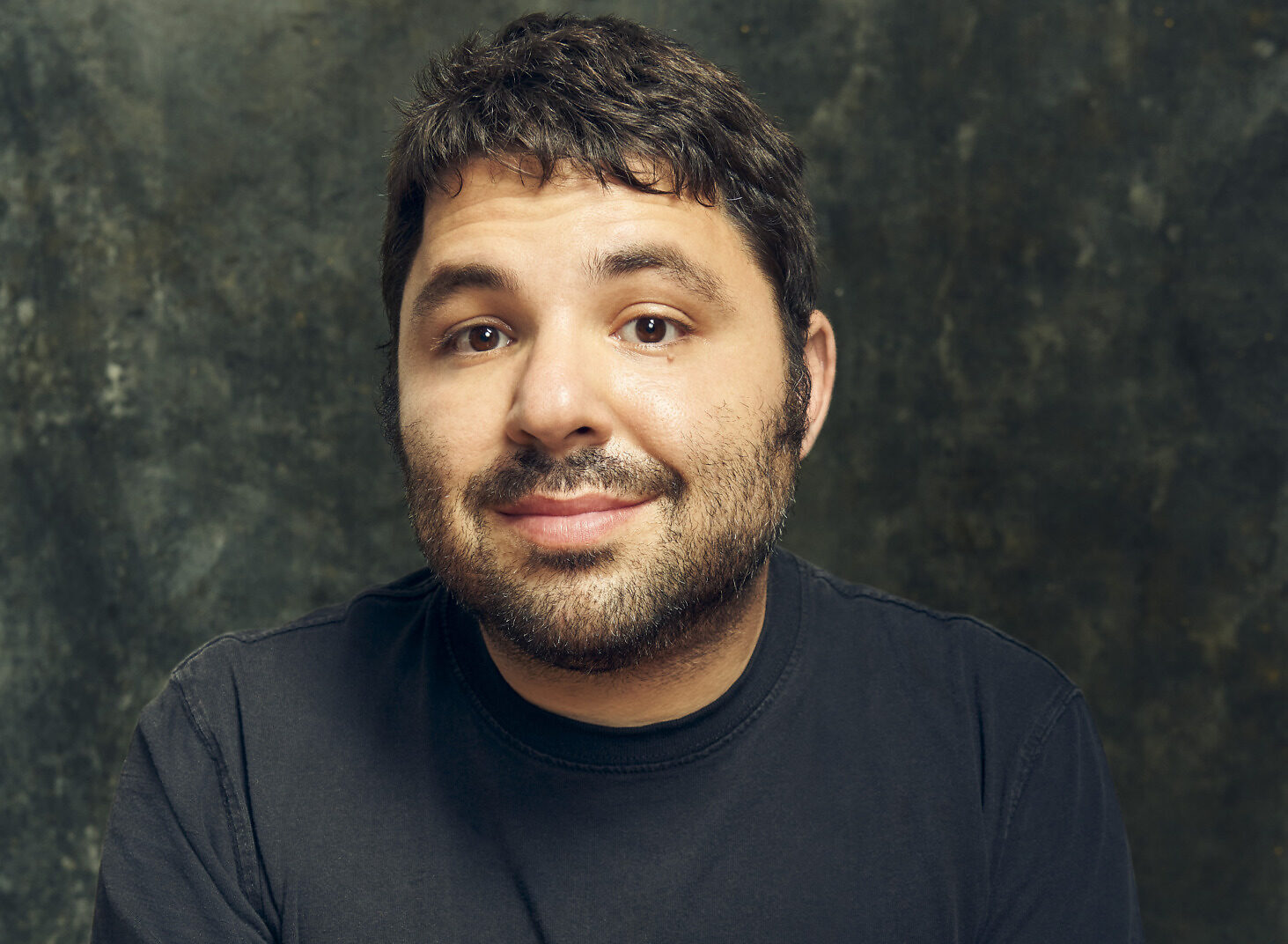
There’s a purpose to comedian Raanan Hershberg’s online posts. To the detriment of his career, Hershberg humorously told the Chronicle, he’s trying to “defy the algorithm.”
For Hershberg’s 137,000 Instagram followers, such an explanation offers insight into why riffs on classic movies are juxtaposed to longform writing about the Holocaust, followed by movie posters for his award-winning short film. The 17-minute work, which received the Grand Prize at the 2025 New York Shorts International Film Festiva, traces the story of a caregiver who discovers the older adult she helps may have committed a horrifying crime.
Less chaotic than deliberate, Hershberg’s posts reflect a realization.
It’s obvious that considerable communication occurs online; the challenge, he said, is “the algorithm prefers things that are typically rather slight or kind of empty, or not nuanced, or extreme.”
Looking around social media, “I see other people who really just do exactly what the algorithm dictates, and that’s bad because you’re essentially getting to a place where AI can replace you very easily,” he said. The flipside, choosing to eschew digital life, isn’t ideal, he continued. “It’s hard to have a career without social media.”
Hershberg, who is performing at Sunken Bus Studios on Nov. 20 and 21, said that Pittsburghers who attend his shows will hopefully not only laugh at various bits, but realize the artist approaches social media much the same way he approaches comedy, writing and filmmaking: thoughtfully and with hope that those seeing the content find it enjoyably enriching.
Othered and othered
Hershberg, 42, grew up in Louisville, Kentucky, to a Conservative Jewish family. He attended a Jewish day school, went to synagogue every Shabbat, spent summers at a Jewish overnight camp, and refrained from consuming meat at non-kosher eateries.
As he pointed out, though, maintaining that last practice in Kentucky is considerably more challenging than being observant in New York. “They follow way more halacha, but they can eat meat out at many restaurants,” he said.
Consistent engagement with Judaism not only solidified Hershberg’s identity, it enabled him to appreciate separateness.
“It’s like a double level of otherness,” he said. “Being a Jew in Kentucky feels slightly othered, but then at the same time, you also feel othered by other Jews because they don’t think any Jews live in Kentucky. They think Jews just live in New York, and Chicago, and Israel and Pittsburgh. People don’t think Jews live in Kentucky. Well, they do. It’s a Diaspora for a reason. We’re scattered, right?”
The comic, who often mines pop culture for laughs, doesn’t shy from his Jewishness. In fact, referencing identity is part of being funny, he explained.
“For me, the kind of comedy I hate is when I see a comedian not being true to themselves, kind of creating some kind of character or something. To each his own, but for me, comedy is a way to get at who you are, and be honest and authentic,” he said. “I see comedy as a way to get stuff out that’s dark or unpleasant; and sometimes getting that stuff out can be very funny and shocking.”
Tale as old as time
Hershberg’s past performances include “The Tonight Show,” and “The Late Late Show.” His past specials have included “Jokes from the Underground” and “Morbidly Jewish.”
Regardless of stage, Hershberg often employs a “very classic comedian technique,” he said.
The trick is to rewatch something old, and beloved, but offer a modern perspective.
“It’s always fun to see how things seem kind of problematic now when they might not have been at the time,” he said. “It’s just a good way to show you how much we’ve honestly grown.”
One of Hershberg’s best bits involves revisiting classic Disney films.
While speaking about “Beauty and the Beast” during a recent performance, the comedian told his audience that as a child he thought the movie was about the Beast learning how to be kind to Belle.
Actually, the Beast’s kindness doesn’t matter, he said. “She’s a f—-ing prisoner. Any kindness is just psychological manipulation. And whatever, he’s a beast. He can’t help it. Sure, but the f—ing house appliances are like regular people, and at no point do any of them recommend letting her go.” The candlestick never tells the Beast, “You should probably let her go because that’s a felony.” Instead, the entire movie, the candlestick is “just like, ‘You got to wine and dine her, you got to woo her, you got to be romantic.’ No,” Hershberg said, “You have to free her.”
Hershberg can rip through countless classics. It makes for good material, but mostly, he said with a laugh, “I just like ruining people’s childhoods.”
This is me
When Hershberg takes the stage later this month, Pittsburghers can look forward to plenty of amusing takes. They can also expect an opportunity to create new connections, he said. Art, however it’s communicated, allows people to “see what’s in your soul on a daily basis.”
Sometimes that’ll be longform posts on serious topics; other times it’ll be quests to paint Gaston as a true Disney hero.
“Seriously, the whole movie he’s like, ‘Why won’t you marry me? He’s angry, but he’s still like making it her choice,” Hershberg recently mused. “It’s the 1700s. He doesn’t have to ask her anything. He can just go up to her dad and be like, ‘I’m marrying your daughter. Here’s a goat. End the transaction.’ He’s like a progressive guy. He’s a woke guy.”
Whether riffing on his Jewishness, or famous narratives, the point, Hershberg said, is that laughter offers promise.
“If we’re all laughing, we’re not thinking about ideological allegiances. We’re just laughing at what it means to be human,” he said. “And what it means to be human is really honestly people kind of failing at their ideals, people wanting to be better, but failing.” PJC
Adam Reinherz can be reached at areinherz@pittsburghjewishchronicle.org.
comments