
With the midterms over, Pennsylvania has a new opportunity to lead on education
Pennsylvania helped pioneer the scholarship model now being adopted nationally.

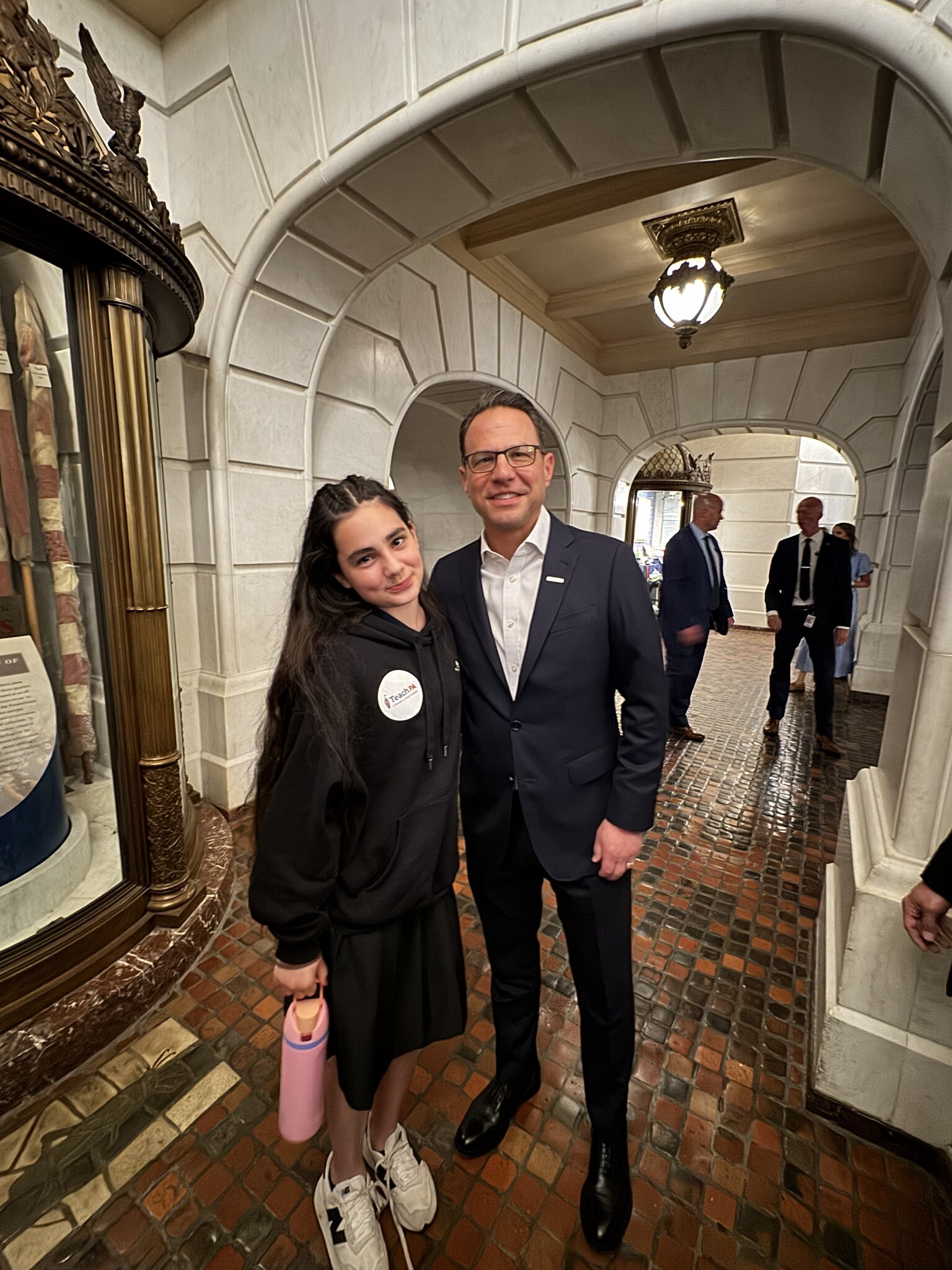
On Nov. 3, Pennsylvania voters gave Gov. Josh Shapiro a second term and a strong mandate to govern. One of the first big decisions on the calendar is whether Pennsylvania will join the new Federal Scholarship Tax Credit before the Jan. 1 deadline.
The governor has been open about where he stands. Earlier this year, he said he wanted to see the federal rules before deciding. In last month’s debate, he said he was “very open” to the program and noted that while other governors had closed the door, he had not.
The proposed rules are now out. The Treasury Department and IRS released them on Oct. 1, providing greater clarity on how the federal credit could work alongside our existing state programs. With the election behind us and the federal guidance now available, Pennsylvania has a real opportunity to move forward.
Get The Jewish Chronicle Weekly Edition by email and never miss our top stories Free Sign Up
Pennsylvania voters want that opportunity, too. A poll released by Education Reform Now in November 2025 found that 78% supported Gov. Shapiro opting into the program, including 82% of Democrats.
He would be in good company. New York Gov. Kathy Hochul announced her decision to opt in on Oct. 9, joining Colorado Gov. Jared Polis in backing participation. On Nov. 4, the day after the election, New Mexico Gov. Michelle Lujan Grisham announced that her state would participate as well. Pennsylvania, home to one of the country’s largest Jewish communities, deserves the same opportunity.
Pennsylvania is especially well prepared. Our state was a trailblazer on scholarship tax credits, and federal lawmakers modeled the new program in part on our Educational Improvement Tax Credit and our Opportunity Scholarship Tax Credit. For 25 years, those programs have produced more than a million scholarship awards,
and Gov. Shapiro has signed budgets that grew them by nearly 50%. More than 200 scholarship organizations are already in place to help put a federal program to work.
But the need still outruns what the state can offer. In the 2023-24 school year alone, nearly 70,000 scholarship applications went unfilled. The federal credit could help close that gap without costing the state budget a dollar, and families could receive federal scholarships in addition to EITC and OSTC awards.
For many Jewish families, this is personal. I’m a Jewish day school graduate and a mother of three children in Jewish day school. I know how much parents sacrifice to give their children an education rooted in Jewish values and identity. And I know families who would love to send their children to Jewish school but simply cannot make the tuition work.
For one Pittsburgh couple raising three children, EITC scholarships have made Jewish day school possible, but the remaining tuition bill still stretches two full-time salaries. They have postponed replacing an aging car and paused retirement contributions to keep their children in the schools they love. Federal scholarships could build on that essential EITC support, giving them room to save for their children’s future while investing in their education today.
Demand is rising. Teach Coalition research found that enrollment in Pennsylvania’s Jewish schools rose 6.2% in a single year, nearly five times its average pace over the previous three years. About 4,360 students now attend Jewish day schools and yeshivas across the state, and more than 85% of their families are projected to meet the program’s income eligibility rules.
The numbers add up quickly. If just half of those families each gave $3,400 — $1,700 per spouse — that could generate approximately $3.7 million annually in scholarship funding. If each family also brought in four additional donors at $1,700 apiece, that could generate another $14.8 million. These are illustrative projections, but they show how quickly community participation could translate into meaningful scholarship support.
For parents already stretching their budgets to cover tuition, that could mean less monthly financial pressure. For families considering Jewish day school for the first time, it could help put an education they thought was out of reach within reach.
Our community is ready to do its part. Teach Coalition recently partnered with Jewish Federations, Prizmah, United Synagogue of Conservative Judaism, the Rabbinical Assembly, Torah Umesorah, Agudath Israel and Chabad to support one shared national scholarship-granting organization: The Opportunity Fund for Jewish Education. These organizations represent different traditions and approaches to Jewish life. But on the importance of making Jewish education accessible to the next generation, they are speaking with one voice.
And this is not only about private schools. Federal scholarships can also support tutoring, special needs services, and after-school programs for public school students, extending the benefits to families across Pennsylvania.
Pennsylvania helped pioneer the scholarship model now being adopted nationally. Gov. Shapiro has already demonstrated his commitment to strengthening it, and his second term offers an opportunity to take that work even further.
Our community is ready to help make it happen, and we look forward to working with the governor to bring this opportunity to Pennsylvania. PJC
Jenny Sved is the executive director of Teach PA.
comments