
Wine pairings for Chanukah
The good news about Chanukah coming right after Thanksgiving this year is that a lot of the wine pairings for Thanksgiving will also work for Chanukah.
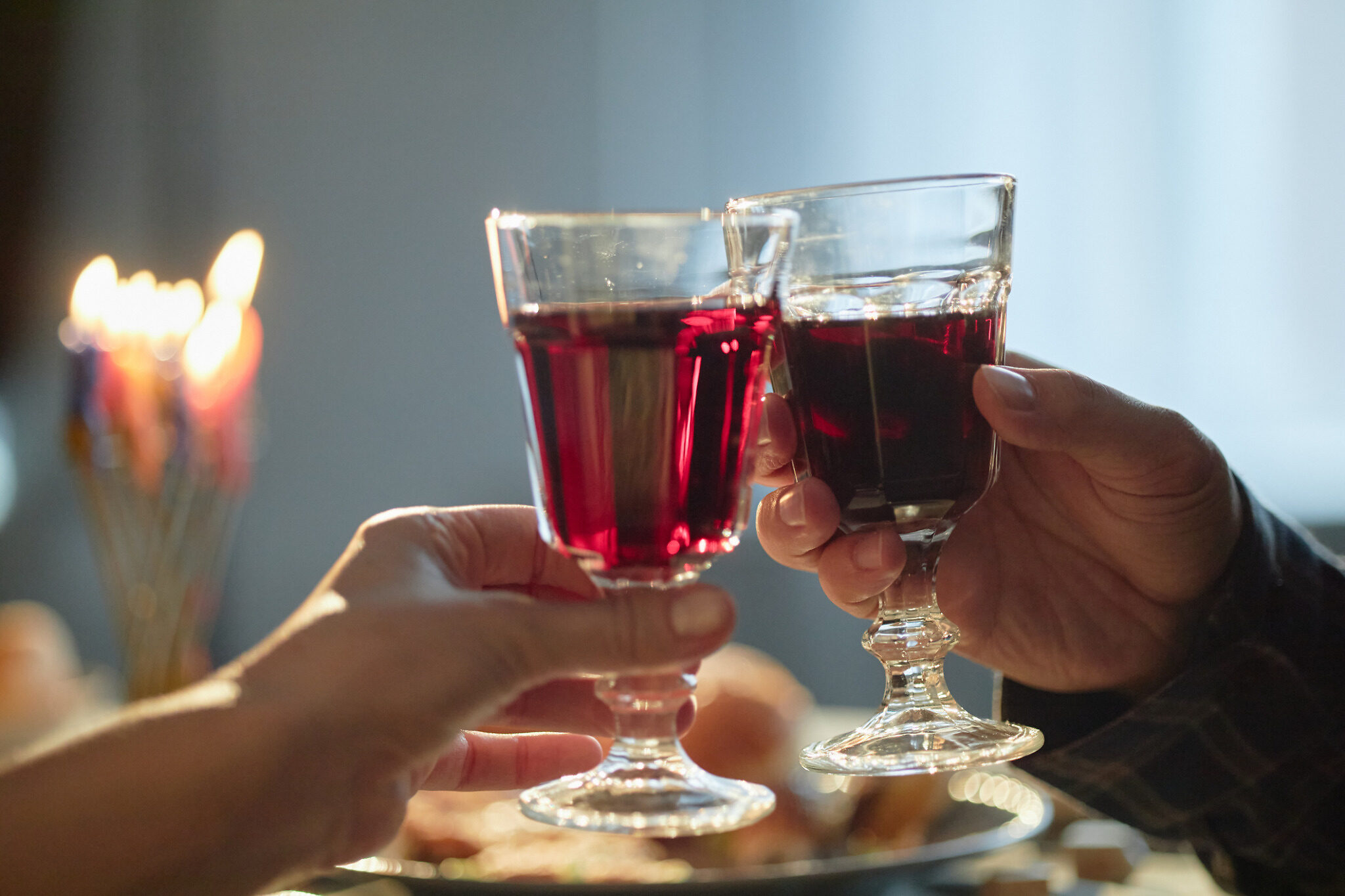
Chanukah never seems to fall at a particularly convenient time. Too early, it’s 60 degrees out and most people’s minds are still on turkey. Arriving too late, it can get swept up in the Christmas season, with its significance in Jewish history overshadowed. This year, it’s just a week after Thanksgiving.
I have a soft spot for Chanukah as one of the more misunderstood Jewish holidays. The Chanukah story is a serious and somewhat disturbing tale about assimilation and religious freedom, yet the holiday is largely celebrated today by eating fried doughnuts. For some people, it’s the only Jewish holiday they know about, because they once saw a menorah next to a Christmas tree. But, hey, the food is delicious and there are some great wines to pair with it.
The good news about Chanukah coming right after Thanksgiving this year is that a lot of the wine pairings for Thanksgiving will also work for Chanukah. Fried dishes like latkes are rich, salty and dense, so you’re going to want to shy away from big reds like cabernet sauvignon or Syrah. (Unless you’re serving brisket).
Get The Jewish Chronicle Weekly Edition by email and never miss our top stories Free Sign Up
To me, the hero of Chanukah wine pairing is Riesling. There’s no straight answer to “What does Riesling taste like?” because it can be bone-dry, off-dry, sweet, floral, fruity or tart depending on where it’s from, how old it is, and what style it’s made in. Koenig Riesling ($18.99, Mevushal), produced in Alsace, has the potential to carry you all the way through the meal from the latkes to the sufganiyot with both high acidity and subtle floral sweetness. Rieslings from Alsace rather than Mosel — one of the more popular regions for Riesling production — tend to have fuller bodies, more structure and more pronounced dryness.
Reviewers online describe this bottle as one that meets any drinker where they are, which is the beauty of Riesling. If someone is looking for sweetness, their palate will find it, but there’s still enough acid and flavor to give the wine complexity. A dry Riesling will also nicely balance any sour cream on the latkes.
Another white grape that can take you from salty, rich appetizers and into heavy meat dishes is Grüner Veltliner. There are very few kosher Grüner Veltliners out there, but the De La Rosa Taryag 2025 ($20.99, Mevushal) is one option. This grape has citrus-forward tasting notes without too biting of an acidity. If you’re doing applesauce on your latkes, the combination of a glass of Grüner with it will hit the spot.
Sparkling wine and salty food is also a classic combination. Latkes aren’t so off from french fries, and one of the most iconic pairings out there is Champagne and french fries. One of the best-kept secrets of kosher wine is that Laurent Perrier ($89.99, not Mevushal), an extremely elegant bottle, has a certification from the Rabbinate of Marseille. There’s also a great cava available right now, Vina Memorias Brut Reserva Cava Requena 2021 ($34.99, not Mevushal).
If you’re serving brisket and cholent, that does call for a red. A big, cabernet-forward Bordeaux like Etoiles de Mondorion Saint Emilion Grand Cru 2023 ($34.99, not Mevushal) or a dark, fruit-heavy red like the Herzog Lineage Malbec 2024 ($24.99, not Mevushal) will go nicely with a big meat dish. There’s some truth to the idea that red wine is for colder weather, since it does feel uniquely cozy to sit down with a glass of inky, rich wine on a chilly night.
Since you have eight nights to work with, why not try a different food and wine combination for each dinner? There’s lots of room to explore and to make the holiday meal your own. PJC
Emma Riva is a freelance writer living in Pittsburgh.
comments