
A journey interrupted, a commitment to learning
Last week, I learned that the trip, organized for about 100 Jewish early childhood educators from the United States and Israel, had been canceled.

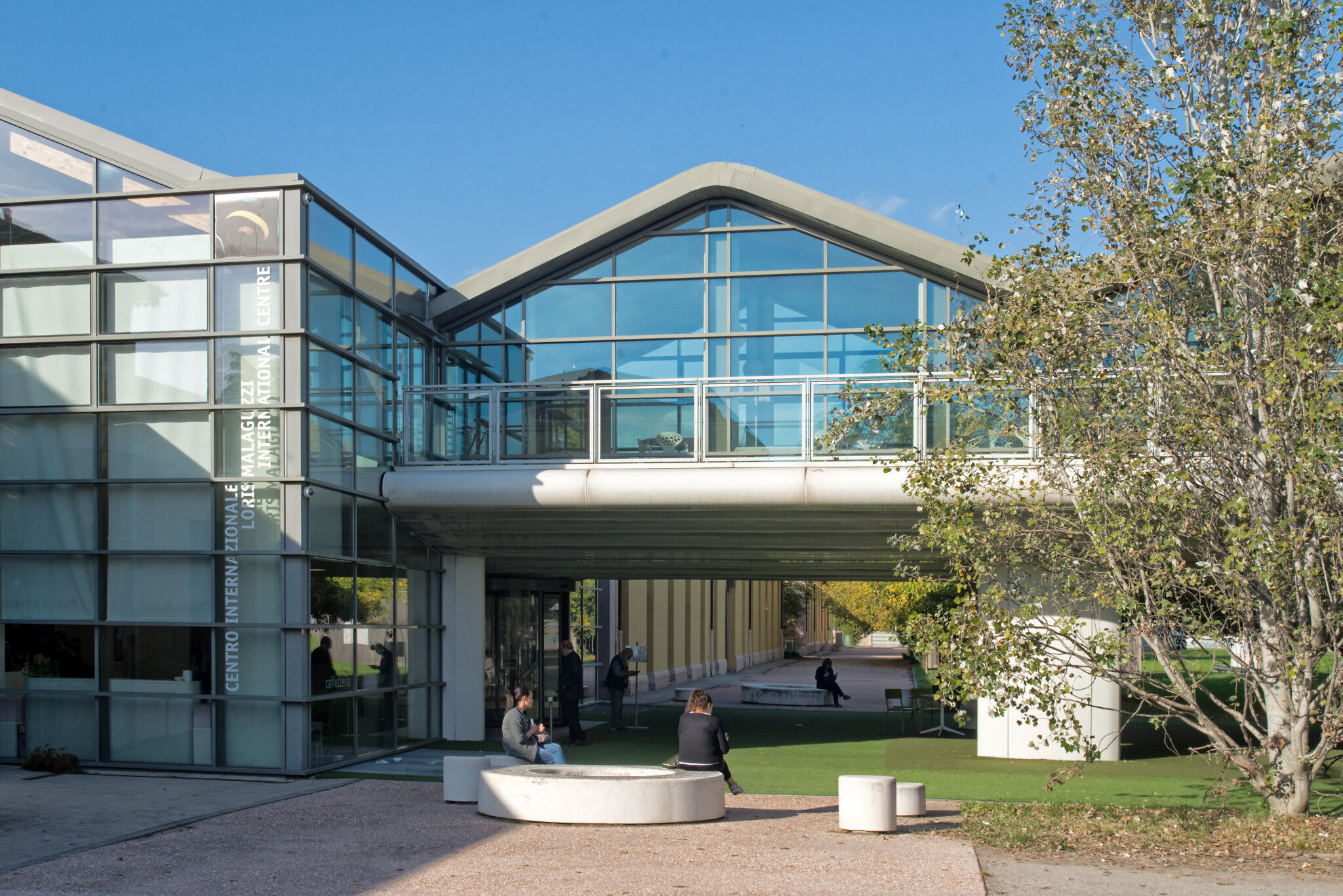
On Oct. 9, I was supposed to be on a red-eye flight to Italy, headed to Reggio Emilia, a small city whose approach to early childhood education has influenced classrooms around the world. For me, this was a trip more than a decade in the making.
But because of anti-Israel politics, the trip was canceled.
The Reggio Emilia approach began after World War II, when parents and educators came together to build a new kind of school rooted in democracy, collaboration and hope for the future. Educator Loris Malaguzzi helped shape the approach, which views children as capable, curious learners with a hundred languages through which to express their ideas and understanding of the world. Today, it is recognized worldwide for its emphasis on relationships, exploration and learning that grows from children’s interests and questions.
Get The Jewish Chronicle Weekly Edition by email and never miss our top stories Free Sign Up
For more than 13 years, I have dedicated my professional life to young children in Pittsburgh. Beginning as a toddler classroom educator and now director of Early Childhood at Community Day School, I have spent my career learning about how children think, make meaning and understand the world around them.
I have attended many workshops, seminars and professional learning experiences throughout my career, but this trip was different. I was finally going to see firsthand the place that inspired so much of what I believe about children and education.
n
For some people, a dream trip is Disney World or a beautiful resort. For me, it was traveling halfway around the world to watch children wonder.
I wanted to see what happens when educators slow down, listen with intention and follow a child’s curiosity. What happens when a pine cone becomes an investigation, a shadow becomes a question, or a puddle becomes an opportunity to discover something new?
This is the work we strive to do every day at CDS. Our Reggio-inspired approach asks us to see children as capable, curious learners whose ideas deserve to be taken seriously. It asks us to listen, observe and create the conditions for children to explore their thinking.
This approach connects deeply to the Jewish values that guide our work. Tzelem Elokim reminds us to recognize the dignity, uniqueness and potential of every person. Hit’orerut speaks to the amazement and wonder that fuels children’s learning. D’rash reminds us that learning happens through inquiry, dialogue and the willingness to keep asking questions.
This alignment with Jewish values is one reason so many Jewish early childhood programs throughout North America have embraced the Reggio Emilia approach as a guidepost for nurturing children’s curiosity, honoring each child’s unique potential, and building meaningful relationships within their school communities.
These values aren’t just words we talk about. They show up in the way we prepare our classrooms, respond to children, and make space for different perspectives. We have also curated an atelier, Italian for workshop, in our Early Childhood wing, a space where children can explore materials, express themselves and engage in the work of constructing meaning.
This is what I was so eager to see in Reggio Emilia: how educators create environments that invite curiosity, how they listen to children and how they turn everyday discoveries into meaningful learning.
Last week, I learned that the trip, organized for about 100 Jewish early childhood educators from the United States and Israel, had been canceled.
The study tour had become the focus of a public campaign in Reggio Emilia, where participants were required to sign a statement condemning Israel’s actions in Gaza as part of their participation. There was a protest outside the Loris Malaguzzi Centre, and other public controversy surrounding the participation of Jewish and Israeli educators.
I was not traveling to Italy as a diplomat or a representative of any governing body. I was not going to debate foreign policy. I was going because, after more than a decade of working with young children, I still want to become better at the work I am so passionate about.
I wanted to sit in classrooms, observe children, ask questions, and learn from other educators. I wanted to bring that learning home to Pittsburgh.
As a lifelong learner, I simply wanted the opportunity to learn.
What makes this especially difficult is that the very philosophy I was traveling to study asks us to approach the world with openness, curiosity and respect.
Reggio Emilia is known for the idea of the hundred languages of children, the many ways children express their thinking, explore ideas and make sense of the world. It asks us to listen before we assume, to remain curious and to recognize that there is always more to understand.
As educators, we remind ourselves every day to consider the perspectives of others: our co-educators, the families we partner with, and, of course, the children in our care. We know that listening, asking questions and trying to understand another person’s point of view are essential to building meaningful relationships.
Over the past few days, I have tried to approach this situation in that same way, considering the different perspectives, experiences and concerns involved. I believe in making room for dialogue, even when conversations are difficult. I remain hopeful that, by continuing to listen to one another and making space for meaningful dialogue, we can build learning communities where everyone feels welcomed, respected and able to learn together.
I am deeply disappointed that I will not be going to Reggio Emilia. I had imagined this experience for years, and I know how much it would have meant to me, both personally and professionally.
But I am not going to let this disappointment diminish my commitment to learning.
Next week, I will travel to Los Angeles to visit three Reggio-inspired Jewish early childhood centers at Wilshire Boulevard Temple. I will observe classrooms, explore learning environments, connect with educators and bring new ideas back to CDS.
I am grateful that another opportunity to learn is possible, even if it isn’t the one I had imagined.
In Jewish life, we understand that a masa, a journey, is about more than reaching a destination. It is also about what we learn along the way, how we respond when the path changes, and what we carry forward. My journey to Reggio Emilia has not unfolded as I imagined, but the learning that inspired it continues.
When I return to Pittsburgh, a child in our Early Childhood wing will notice something the rest of us might have missed. Maybe it will be a pine cone, a shadow, a leaf, or the way sunlight moves across the floor. One of our educators will notice that child noticing, and the learning will begin.
That is why I wanted to go to Italy, and why I will remain committed to this work.
Reggio Emilia taught the world that children deserve a hundred languages. I believe all educators deserve the same opportunity to keep learning, to be welcomed and to bring their voices to the conversation. These opportunities should be extended to all, regardless of the languages they speak, the places they call home and the personal beliefs they hold. PJC
Katie Riggs is the director of Early Childhood Education at Community Day School.
comments