
For Sukkot, raise a glass to natural wine
Sukkot is arguably one of the most social Jewish holidays, given its spirit of inviting all under the sukkah, so there’s almost no wrong answer for a Sukkot bottle.
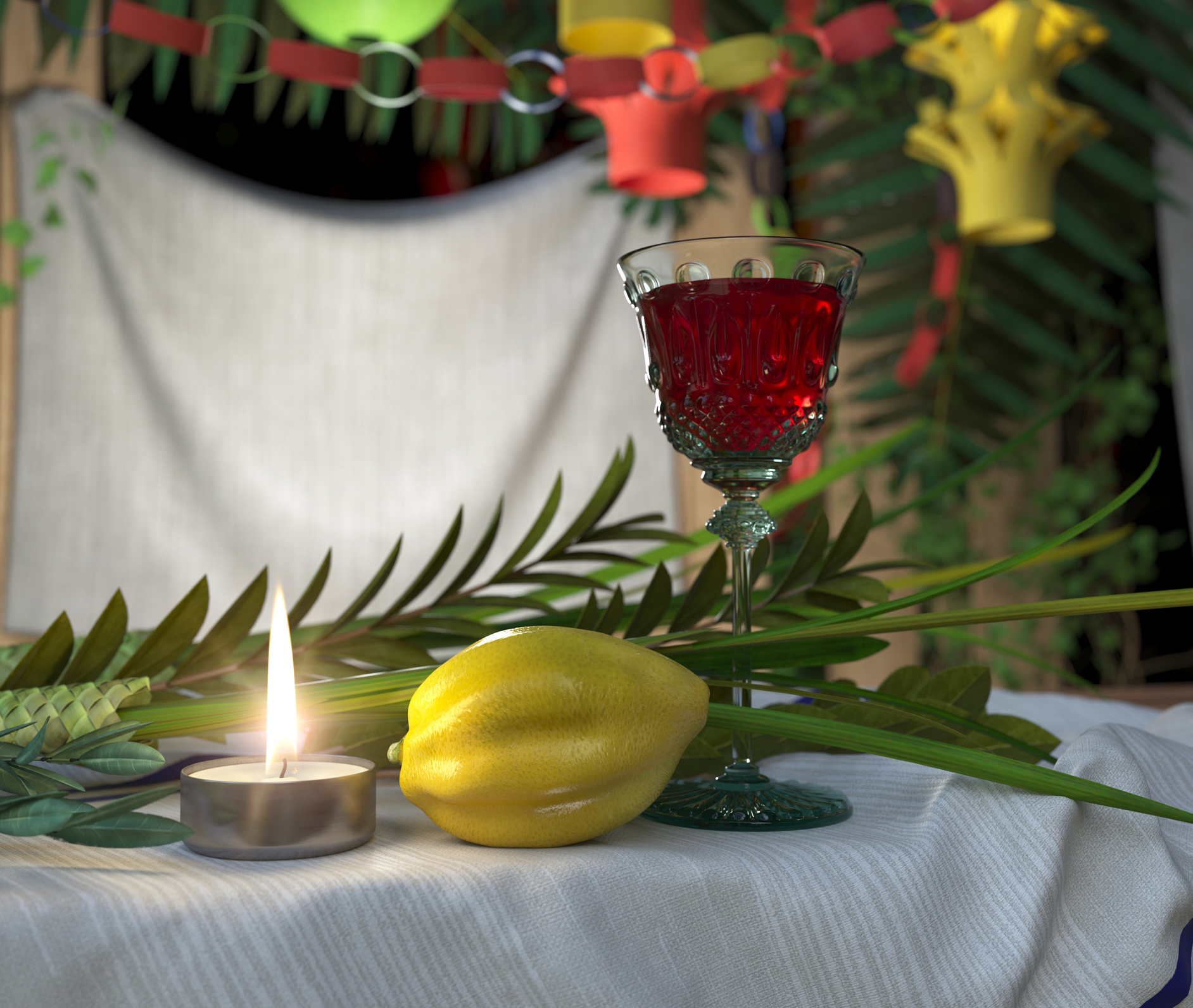
If you have any young wine drinkers in your life, there’s a chance you’ve heard the term “natural wine.” As the highly analog wine industry struggles to define itself in the digital age, this is one of the buzzwords producers gravitate toward to try to engage eco-conscious younger consumers. But as Jewish tradition shows, sustainability and a deep relationship to the earth is nothing new. Sukkot, which begins Sept. 25, requires us to spend time outdoors and reflect that we are temporary residents of a natural world that will outlast us.
Wine under the sukkah is an enjoyable part of the holiday. But rather than just grabbing a bottle of typical kosher wine, I want to encourage you to learn more about natural wine. Coincidentally, one of the pioneers of the natural wine movement is James Beard Award-winning Alice Feiring, a Jewish wine journalist who has written at length about growing up drinking Manischewitz at her childhood Shabbat dinners and trying unsuccessfully later in life to introduce her mother to wines that are, well, anything else.
But, in any case, Feiring’s writing on the subject is some of the best, because the topic can be rather opaque. “To Fall in Love, Drink This,” her 2022 memoir that touches on the connections between her Jewish identity and her interest in wine, is an excellent read that would make for good sukkah dinner conversation.
Get The Jewish Chronicle Weekly Edition by email and never miss our top stories Free Sign Up
“Natural,” “organic,” “biodynamic,” and “vegan” all mean technically different things on wine labels. The legal element of the wine business is quite thorny, and labeling laws are harsh. The places where synthetic elements might be involved are often the fining and filtering part of the winemaking process, so wines that claim to be natural often skip filtration entirely or use specific natural materials for fining. The wines that skip filtration have a unique taste that some describe as wet cardboard — I know, so appealing, but I promise it can be good; it’s an earthiness that still manages to be light and balanced.
But, now for the wines. Sukkot is arguably one of the most social Jewish holidays, given its spirit of inviting all under the sukkah, so there’s almost no wrong answer for a Sukkot bottle. Because natural wines have less intervention involved, producing kosher natural wine can be challenging since interventions are required to stabilize the wine during breaks during Shabbat observance.
However, it does exist. Elvi Wine, a kosher Spanish producer, focuses on sustainability and vegan-friendliness in its production standards. For a Sukkot splurge, their Clos Mesorah Rioja ($89.99, not mevushal) will complement the cooling autumn temperatures with its spice notes and tannic structure. Elvi also produces a Cava ($23.99, not mevushal) which would make for a nice sukkah happy hour glass of bubbly.
Shirah Wine Co., a natural winemaker out of California, is offering some of the most inventive kosher wines in the market right now. Its 2025 Rosé of Grenache and Sangiovese grown in Sonoma County ($30.00, not mevushal) is a layered, complex rosé with a lot of body and character that would be perfect at any Sukkot table with some fresh produce and challah. For a more fruit-forward red, the Shirah 2023 Coalition blend of zinfandel, Sangiovese, Teroldego and Mencía ($50.00, not mevushal) is an unusual choice of blending grapes for a California producer.
One of the most popular styles among natural wine lovers is “skin contact” or “orange” wines. Contrary to the name, they do not taste like orange — the name refers to the amber color. Winemaking from the Caucasian country of Georgian is famous for both its orange wines and its strict emphasis on organic production. A kosher option to try Georgian winemaking is the GRW Rkatsiteli Qveri Collection Orange Wine 2024 ($18.99, mevushal). Whatever you’re drinking under your Sukkah, I hope you’re able to spend the holiday appreciating not just everything the earth gives you, but also what you can give it back. PJC
Emma Riva is a freelance writer living in Pittsburgh.
comments