
Wine pairings for the Passover seder
What goes well with matzah? Brisket?
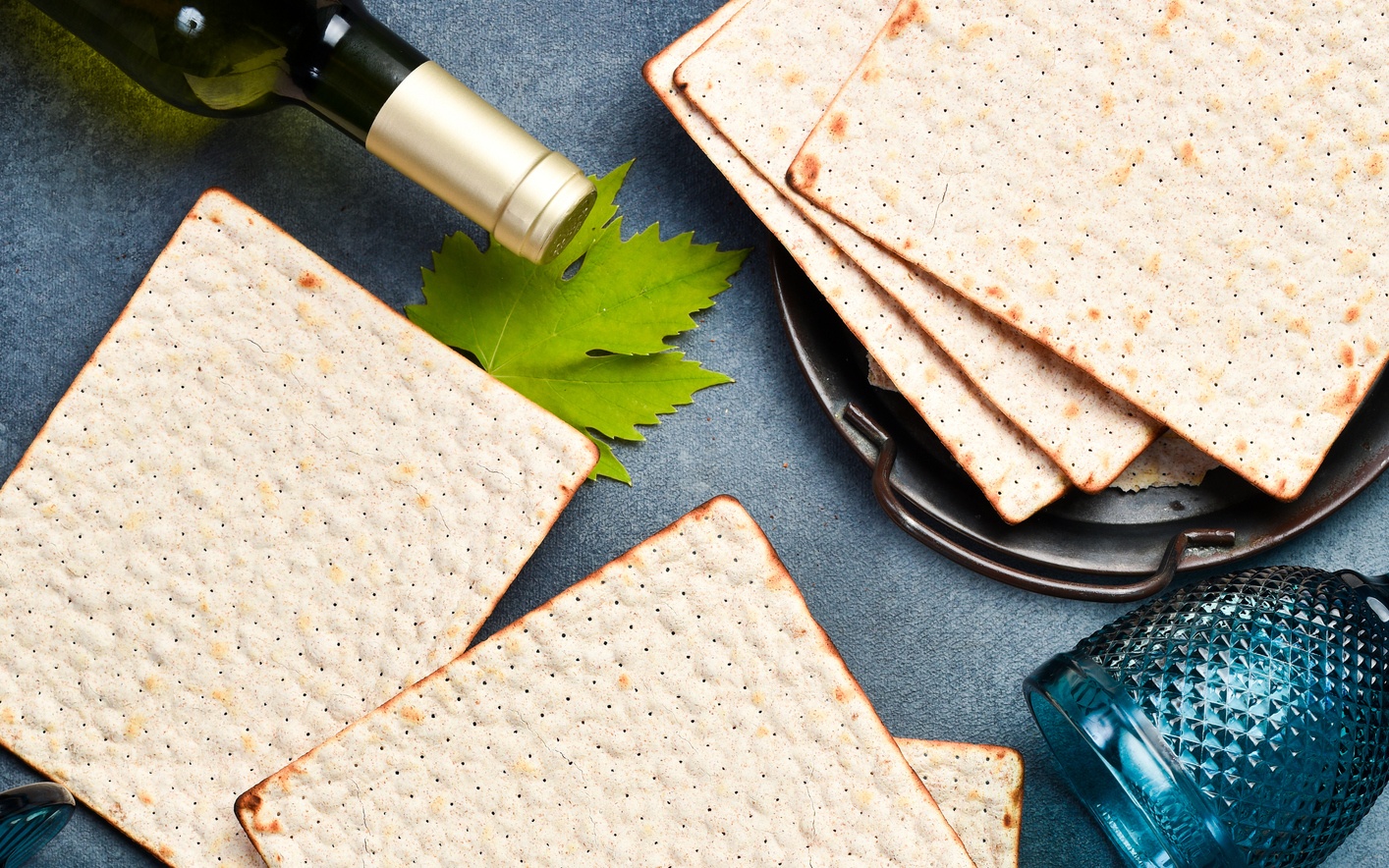
The seder presents something of a challenge for wine pairings because you’re tasting so many wildly disparate things. Hard-boiled egg? Matzah? Charoset? Each of those on its own has a perfect pairing, but most of us don’t want to buy four bottles of wine to pair with specific foods you’ll only be eating for a few minutes.
One constant throughout all eight days of Passover, though, is matzah, which is another wine pairing challenge because it tastes like, well, nothing.
OK, that isn’t exactly true. But you don’t want to be drinking the cabernet sauvignon you’re opening to sip with your brisket and then drinking it with matzah, unless you want the result to be cabernet-soaked matzah crumbs in your mouth. The wine you drink during the seder itself is typically red — the symbolism of blood doesn’t work quite as well if you’re looking at a Chablis — but that doesn’t mean every glass you drink during dinner has to be.
Get The Jewish Chronicle Weekly Edition by email and never miss our top stories Free Sign Up
Also, as a note, there is a specific kosher for Passover certification for wine. All the wines recommended here are designated kosher for Passover.
To make matzah go down easier, the best pick would be an acidic white wine that will cut through the dryness of the matzah. You do want something with some unique flavor notes beyond the acidity, so a good choice might be a Goose Bay sauvignon blanc ($21.99, Mevushal). This is a structured, youthful wine that will soften the mouthfeel of the brittle, crunchy matzah. The Gendraud Patrice Chablis 2022 ($34.99, Mevushal) is another good choice for a matzah pairing. Chablis is one of the best acidic white wines, in my opinion, and will bring out some of the flavors that matzah does have.
For the red wine to pour during the seder, I tend to go for wine with a deep color and an intense flavor. The wine is meant to symbolize suffering and sacrifice, so there’s an opportunity to do a little personification exercise. There are technical and scientific elements to wine that you can learn in a sommelier or WSET course and geek out over indefinitely, but at the end of the day, wine wasn’t included in the seder because the ancient Israelites were interested in fermentation science. Wine has spiritual power. So you can ask yourself: What you are bringing, spiritually and emotionally, to the seder this year? Has it been a year of abundance and plenty since the last one, or one of austerity? How can the wine reflect the emotions the guests are bringing to the experience?
My pick would be a red from Georgia like the Shimon & Co Mukuzani 2021 ($24.99, not Mevushal). Georgia is one of the oldest winemaking cultures in the world, going back 8,000 years, and has a rich Jewish history. Saperavi, one of its indigenous grapes, is earthy and intense. Drinking Georgian wine always reminds me that wine is a part of history, and when you drink wine, you drink the fruits of a land that carries memory in its soil.
There are also several very high quality French reds that are designated kosher for Passover. For a splurge, there is a kosher for Passover Gevrey-Chambertin, one of the most complex expressions of pinot noir in the world, from the renowned Burgundy village. This wine is powerful and multi-layered. The bottle is Rene Lacariere Gevrey-Chambertin Le Fourneau 2019 ($149.99, not Mevushal). If you’re celebrating something at your seder in addition to Passover — maybe somebody graduated college or somebody got married — this might be a good one to break out for your four glasses.
By the end of the seder, four or more glasses of wine usually leave people a little sauced. But maybe at the end you want to break out something sparkling for a toast after singing “Eliyahu,” and for a kosher for Passover champagne the Barons de Rothschild Brut Champagne Non-Vintage is a good option ($102.99, Mevushal). The Drappier Brut Champagne Cart D’Or ($59.99, Mevushal) is another potential choice. But after four glasses and the whole Passover story, nobody would blame you if you just fell asleep on the couch. PJC
Emma Riva is a freelance writer living in Pittsburgh.
comments