
For Lenny Silberman, the recipe has always been community
Former Squirrel Hill resident hopes actions inspire young people to increase involvement with Judaism and Israel. And when they do, 'it’ll be because of where the project started'
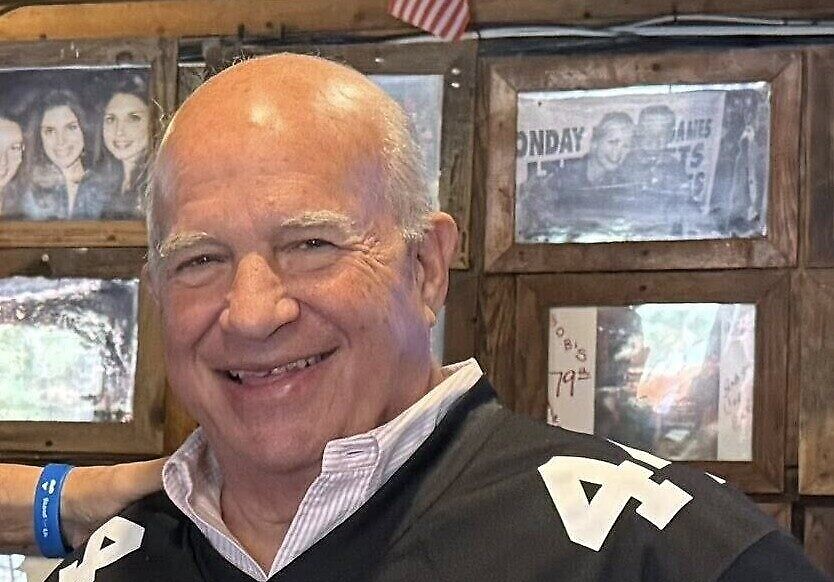
A recipe Lenny Silberman first learned more than 50 years ago at his parents’ Squirrel Hill bakery continues producing sweet results.
“It’s all about family, it’s all about the community, it’s all about community building, and it’s about Squirrel Hill,” Silberman said.
Speaking with the Chronicle by phone from Scottsdale, Arizona, the former East Ender described a “rinse and repeat” method that led to developing top-notch basketball programming at the Jewish Community Center in Squirrel Hill, revitalizing Emma Kaufmann Camp, strengthening the Maccabi Games, and leveraging gaming and social media usage for Jewish pride.
Silberman is the founder and CEO of Lost Tribe, a digital community of 300,000 young Jews who share Jewish and Israel-positive social media. He formerly served as CEO of Henry Kaufmann Campgrounds in New York City, continental director of the JCC Maccabi Games, director of Emma Kaufmann Camp and athletic director of the Jewish Community Center of Greater Pittsburgh. Silberman is retiring from Lost Tribe on June 30. While remaining an adviser to the group, he is aiming to replicate past successes through a volunteer position with the International Jewish Sports Hall of Fame.
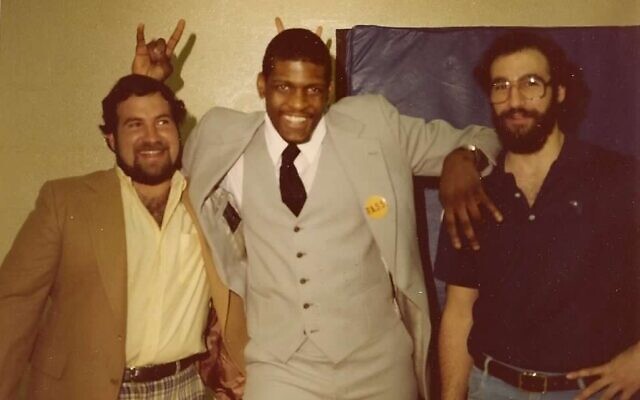
Having spent a lifetime partnering with others to bolster Jewish peoplehood, Silberman is now focused on rebranding the International Hall of Fame by streamlining its social media for greater marketing purposes.
Established more than 40 years ago, the organization honors “Jewish individuals, worldwide, who have accomplished extraordinary achievements in sports.” It also honors those who “have made significant contributions to society through sports.”
Silberman’s involvement with the group — he is a vice president of the board — largely began in 2017 when he was honored for decades of enriching the lives of Jewish youth through athletics. At the award ceremony, Silberman noticed the organization was ripe with opportunity.
“There’s so many organizations out there, hundreds of them, that are dealing with fighting antisemitism and fighting Jew-hatred,” he told the Chronicle. “There’s not too many people that play in the sports space, in the athletic space, so we have the opportunity to do that.”
Over the years, while leading Lost Tribe, Silberman increased his volunteer involvement with the International Hall of Fame, developing new relationships throughout the Jewish world and helping others recognize sports as a Jewish educational tool.
Jewish athletes worldwide have achieved incredible marks. Whether at the Olympics, at national competitions in the U.S. or Israel, or as professionals working in the field, Jews have pushed the limits of what’s possible in sports, he said. “We need people to understand.”
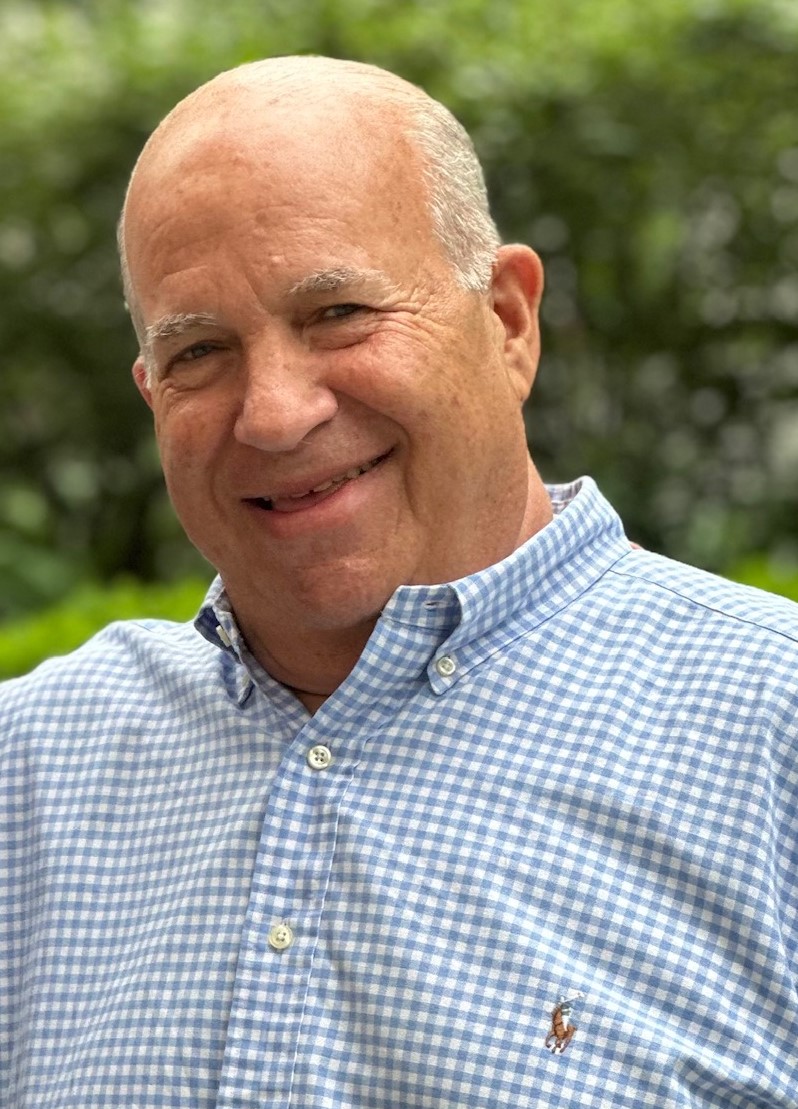
Silberman’s fervency dramatically increased during the past two years.
“Post Oct. 7, I said, ‘I’m not done yet,’ and we need to engage and continue to re-engage the Jewish community,” he said.
Silberman, 71, pointed to deepening disconnection from Judaism and heightened antipathy toward Israel as two of the primary issues facing the community.
A Jewish Voter Resource Center poll released May 21 found that 47% of Jews over 65 felt strongly attached to Israel; the rate was 25% among Jews ages 18-24.
In 2014, 35% of Jewish Americans told Pew Research Center religion was very important in one’s life. Nearly a decade later, the number waned to 27%.
The American Jewish Committee’s State of Antisemitism in America 2025 Report noted that following violent attacks the previous year, 91% of American Jews said they felt less safe as a Jewish person in the United States.
“With all this antisemitism, and all with all this Jew-hatred, we need to be able to help build proud Jews, joyful Jews, build a Jewish community,” Silberman said.
Sports and social media are mechanisms for achieving that aim, he continued.
Through the assistance of familiar partners, including Pittsburgher Andrew Exler, Silberman began sharing stories online about Hank Greenberg, Lenny Krayzelburg, Aly Raisman and other Jewish athletes. Doing so, Silberman said, was predicated on not only telling young Jews about the past but the possibilities ahead.
“Some of those kids, they need to know there’s a pathway,” he said.
Articulating a thoughtful message is critical. Equally important, he continued, is dissemination. There’s an approach the late Buddy Sapolsky, a “legendary Jewish communal professional,” adopted, Silberman said. “He said, ‘Lenny, if you want to be successful with teens you got to meet them where they’re at and give them what they want.’”
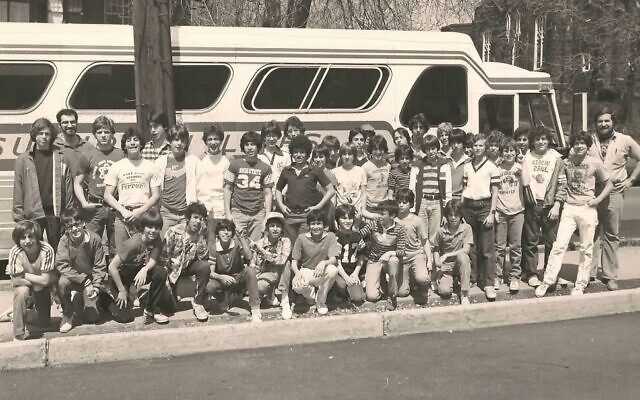
Fifty years ago, young people were at the “pizza parlors, the ball fields and the street corners. They were not at the JCC,” Silberman said. Bringing them to the latter required making clear that whatever was going to happen there was going to be “cool, fun, competitive and social.”
Times obviously have changed, but “if you can make what you’re doing cool, fun, competitive and social, you’re going to win,” Silberman said.
Data shared by the International Hall of Fame points to a promising future.
Prior to January 2025, the group lacked a digital presence and social media strategy. Following a full rebrand, including a new logo and website, regular video usage across various platforms, and multi-week storytelling campaigns, the International Hall of Fame has built a social media audience of 3,963, resulting in 1,123,762 impressions, 59,166 engagements and 284,923 video views.
The group anticipates its audience growing by 25% this year.
The rates are digital, but the concept is rooted in old-fashioned personal connections, Silberman said, reflecting on Silberberg Bakery and the example set by his parents, Herbert and Marianne Silberman.
“I remember my dad always wanted to make people happy at the bakery, my mom always wanting to make people happy, always being community-minded,” he said.
The former Squirrel Hill resident hopes the International Hall of Fame inspires young people to increase involvement with Judaism and Israel. And when they do so, he said, it’ll be because of where the project started. “I came from Pittsburgh, and that will always be with me.” Considering the impact it’s made and continues to, “we can lead the way for other communities.” PJC
Adam Reinherz can be reached at areinherz@pittsburghjewishchronicle.org.
comments