
The next front: Strengthening Jewish identity and Israel–Diaspora connection
This moment demands not handwringing, but strategy.

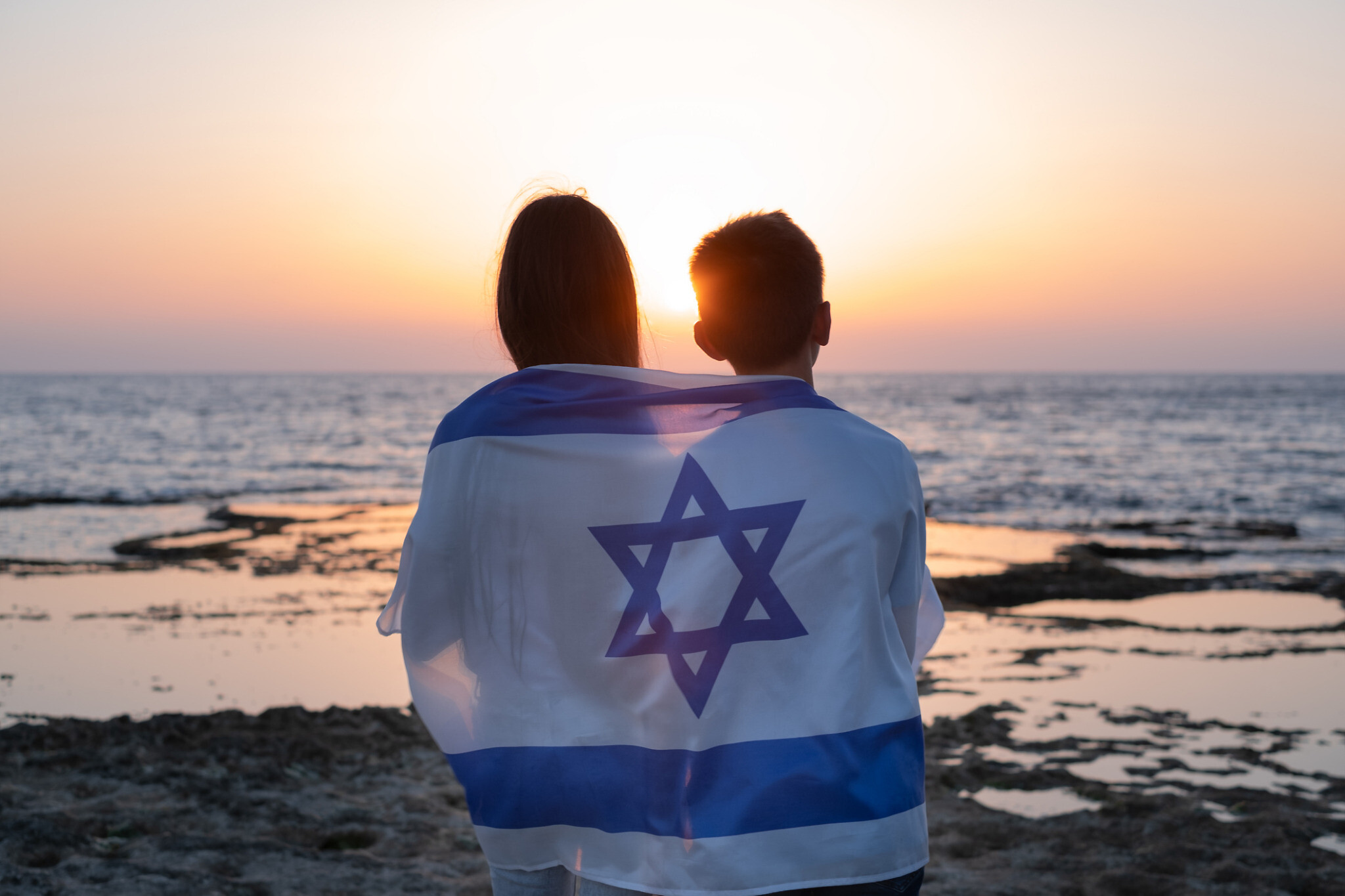
Since Oct. 7, the relationship between Israel and the Diaspora has fundamentally changed. What was once viewed primarily as a matter of communal connection or continuity must now be understood as a strategic imperative. At a time of rising antisemitism, growing pressure on Israel globally and weakening Jewish engagement among parts of the next generation, the Jewish world must make a far greater investment in Jewish identity, education and meaningful connection to Israel. The need to strengthen this relationship is no longer aspirational — it is existential.
Diaspora Jews are facing a surge of antisemitism, Israel faces growing isolation and Jewish identity among some of the next generation is weakening. At the same time, a small but vocal anti-Zionist fringe distorts the broader conversation. This moment demands not handwringing, but strategy: a serious, well-funded effort by both philanthropists — through a concerted, coordinated approach — and local communities, with increased investment to revitalize Jewish education, strengthen pride and deepen connection to Israel, especially in the United States.
This is not about assigning blame for past shortcomings. It is a call to act before the window narrows further.
Get The Jewish Chronicle Weekly Edition by email and never miss our top stories Free Sign Up
The central challenge is not dealing with the fringe. It is the majority in the middle — Jews who feel a connection to Israel in their gut, who reject the idea that Israel is an evil actor but who lack the education, language, or confidence to express that connection. Many young adults care deeply but stay silent — whether from fear, fatigue, or uncertainty. That is the audience that will shape the future and where investment will have the greatest return.
What’s needed is a reset of priorities — one that treats Jewish identity, Israel connection and a deeper understanding of Jewish peoplehood as core communal investments, not peripheral ones. This will require sustained funding, coordination and a long-term view.
A few areas stand out.
Education: We need a comprehensive approach to Jewish and Zionist education across multiple stages of Jewish life. That includes developing age-appropriate curricula for day schools across denominations, while significantly upgrading supplemental education — where a significant number of non-observant Jewish children are — through better training, compensation and professionalization of teachers.
Hebrew language education is another underutilized bridge. Expanding Hebrew offerings in public and private high schools, particularly in communities with significant Jewish populations, would strengthen cultural and emotional ties to Israel in a tangible way.
On college campuses, the response to antisemitism must be coordinated, continental and proactive — not reactive. The scale of the challenge demands it.
Jewish camp: Jewish summer camps remain one of the most powerful engines of identity formation and connection. While they are a form of informal education, their immersive nature and intensity set them apart. Expanding access through scholarships, increasing the number of Israeli counselors, and more intentionally integrating Israel education and experiences — including opportunities such as Israel travel for counselors-in-training — can deepen their already profound impact.
Israel travel: Programs like Birthright, BBYO, youth movements and longer-term initiatives such as Onward Israel are transformative. Gap year programs and opportunities for higher learning in Israel also play a critical role in deepening Jewish identity, strengthening long-term connections to Israel and cultivating future communal leaders through immersive educational and cultural experiences. Expanding both funding and recruitment for these programs and experiences should be a top priority.
Young adult engagement: Jews in their 20s and 30s are not lost. Most do not reject Israel; many simply lack meaningful opportunities to engage. Investment in this cohort — through peer-based programming, direct engagement with Israelis, and credible voices in both traditional and digital spaces — is essential.
Informal Jewish education: If we are serious about reaching the majority of non-Orthodox Jews, informal education is not supplementary — it is the front line. For many, it is the primary, and often only, entry point into Jewish life.
Unlike formal settings, informal frameworks meet people where they are: socially, culturally and developmentally. They create moments of belonging before expectation, and connection before fluency. This is where identity is often first sparked — and where it can either be nurtured or lost.
This ecosystem extends well beyond camps and Israel travel. It includes Shabbatonim and retreats, youth groups and movements, experiential and service-based learning, Jewish social justice initiatives, cultural arts and music, and pop-up communal experiences built around food, conversation and accessible learning (such as OneTable and similar models). These are not peripheral experiences; they are scalable, low-barrier, high-impact platforms for building Jewish identity, community and connection to Israel.
If the goal is to engage the broad middle — the many who feel connected but not yet anchored — then informal education is where the greatest return on investment will be found.
The bottom line is simple: This is a moment for decisive investment in our shared future.
Diaspora–Israel relations are not broken, and the next generation is not disengaged beyond reach. On the contrary, the conditions are ripe for deeper connection. Israel’s growing isolation globally only heightens the importance of a strong, confident Diaspora — one that can serve as both partner and advocate.
In fact, the data tells a far more nuanced — and hopeful — story. Recent research from the Jewish Federations of North America shows that while only about a third of American Jews, and even fewer young adults, identify with the label “Zionist,” nearly 90% still believe Israel has the right to exist as a Jewish and democratic state, and a strong majority feel an emotional connection to Israel.
In other words, the gap is not one of rejection — it is one of language, education and understanding. Many young Jews are distancing themselves from a term they perceive as politically loaded, not from Israel itself. This only reinforces the urgency of meeting this generation where they are, with clarity, confidence and deeper engagement.
We are, whether we choose to acknowledge it or not, one people. A strong Israel depends on a strong Diaspora, and vice versa. Our shared sense of Jewish peoplehood — of collective responsibility, mutual destiny and unity across geography and ideology — is not just a value; it is a strategic necessity in this moment. The next phase of this conflict will not be fought only on physical battlefields, but in the arenas of public opinion, education and political influence — where the Diaspora plays a decisive role.
The question is not whether we can afford to invest in this relationship. It is whether we can afford not to. PJC
Brian Eglash is the senior vice president and chief development officer at the Jewish Federation of Greater Pittsburgh. This column first appeared on The Times of Israel
comments