
From startup to standard-bearer: Karen Wolk Feinstein reflects on 35 years at JHF
'The number one thing is interpersonal relationships...Build them far and wide, and keep them alive'
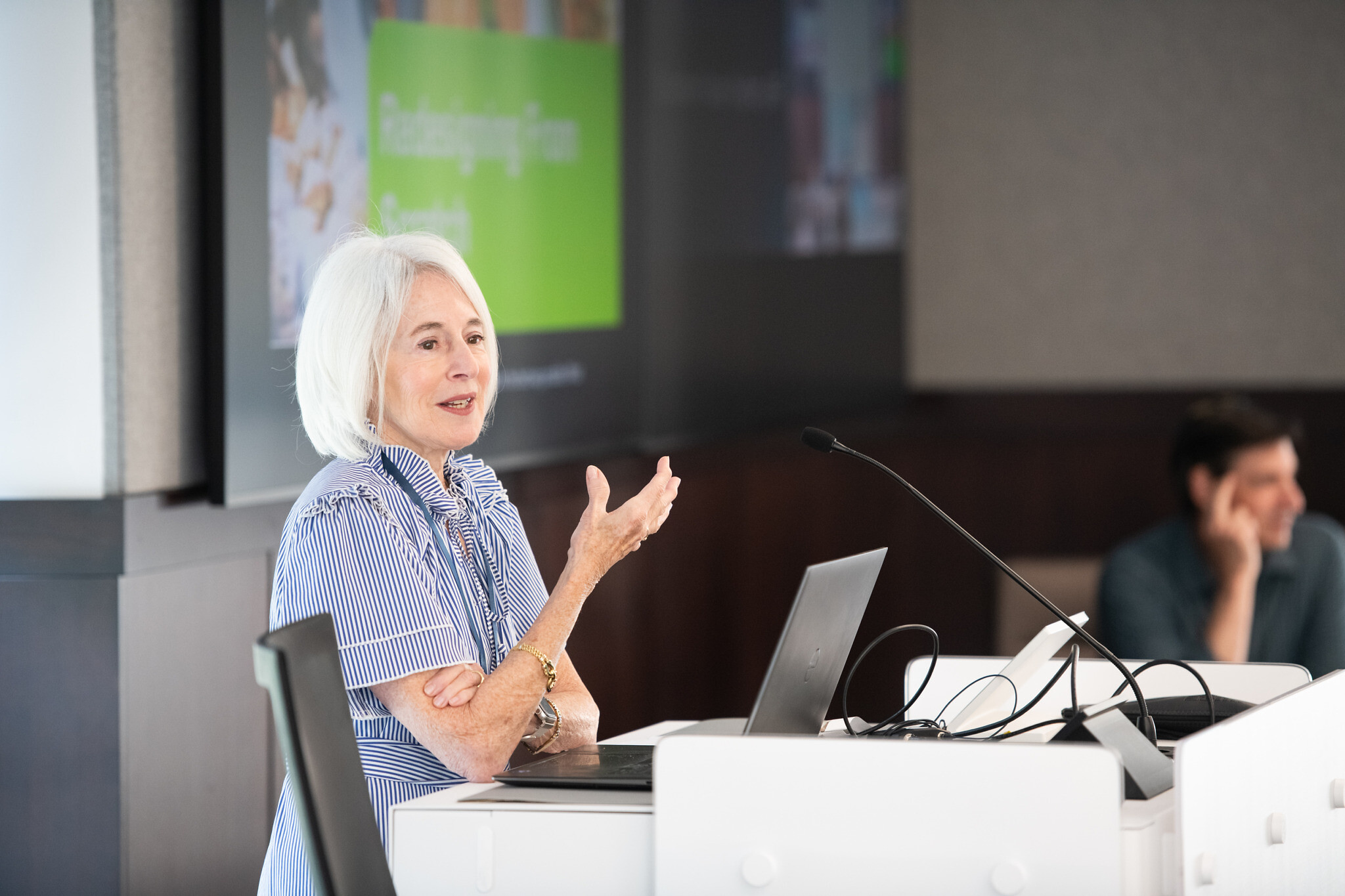
Thirty-five years of Jewish communal leadership have given Karen Wolk Feinstein countless memories. For Pittsburghers, Feinstein’s near double chai atop the Jewish Healthcare Foundation delivered an even greater impact.
When the Squirrel Hill resident steps down from her role as president and CEO of JHF on July 1, she’ll have overseen the metamorphosis of a nascent local organization into an international model. Along with expanding a staff of three into 47, Feinstein furthered regional and global interests and advancements in patient safety, aging-related care, HIV/AIDS treatment, women’s health issues, teen mental health and workforce development.
Staying true to those foci, granting autonomy to senior staffers and investing in relationships, she told the Chronicle, have been the hallmark of her tenure. That combination, along with persistence and clarity of vision, enabled Feinstein to not only bolster an organization built from the sale of a Jewish hospital but to transform herself from an academically trained professional into a socially conscious thought leader.
Where the tall corn grows
The seeds of Feinstein’s growth began in Iowa. Her father, Norman Sandler, was a Navy pilot from Des Moines. Shortly before the end of World War II, Sandler returned home for a furlough. Months later, he was shot down over Tokyo. At the time of Sandler’s death, his wife, Geraldine, was pregnant.
Geraldine gave birth to Feinstein and nearly four years later married Leonard Wolk, a clothing wholesaler. Geraldine and Leonard raised their blended family in a Squirrel Hill home on Northumberland Street. Feinstein attended Winchester Thurston School before majoring in American intellectual history at Brown University. As a college student, she joined the Civil Rights Movement and worked with the Urban League to secure voting rights and desegregate schools and housing.
With an awareness of social responsibility, Feinstein earned a master’s degree from Boston College School of Social Work and a doctorate in economics from The Heller School for Social Policy and Management at Brandeis University. Early in her career, she administered Head Start programs in Worcester, Massachusetts, and held faculty positions at Boston College and Carnegie Mellon University.
While teaching at CMU, Feinstein became a senior vice president at the United Way of Allegheny County and oversaw allocations, policy work and volunteerism — even the United Way’s helpline. When Montefiore Hospital was sold to UPMC for $145 million in 1990, Feinstein’s career path forever changed.
Start of something new
Along with caring for all “regardless of race, ethnicity or background,” Montefiore had, according to the Heinz History Center’s Rauh Jewish Archives, delivered both “culturally sensitive” treatment to Jewish patients and “professional opportunities for Jewish healthcare providers.” Proceeds from the hospital sale were split, with about half covering an existing bond and the other $75 million creating the Montefiore Foundation — later known as the Jewish Healthcare Foundation.
The newly established foundation needed a CEO.
Feinstein called herself a “somewhat convenient” choice.
Apart from being a United Way leader, she was tied to Montefiore. Her father was treasurer of the hospital, her brother served on its board, and her great-aunt Rachel Wolk was among the hospital’s founders. Feinstein had been a candy striper at Montefiore, “but I knew nothing about healthcare,” she said. “I couldn’t imagine why I would do it.”
Although others saw her bonds and experience as a boon, Feinstein considered her history detrimental.
“A lot of the people on the board had watched me grow up,” she said. “It was just too familiar.” Additionally, the foundation was “in chaos.” Community members were incensed about the sale of a historically Jewish hospital. “Everybody wanted to go in a different direction,” she continued. “I didn’t want the job at all.”
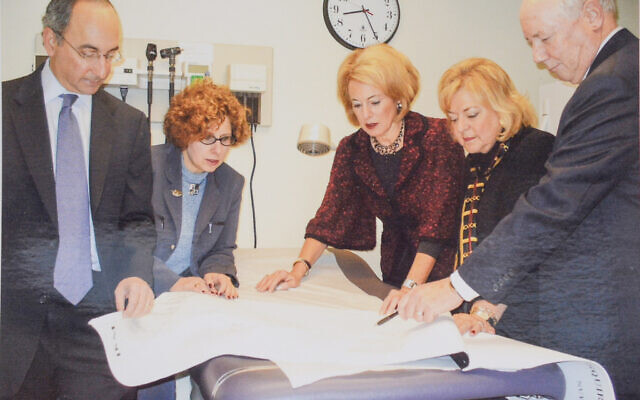
About a year after she was initially approached about the position, Sholom Comay, a Jewish communal leader, took Feinstein to lunch and told her the foundation was ready to hire someone else.
Comay said Feinstein was making “a big mistake” turning down the role.
“What do you want to do in life?” he asked her. “What would your dream be?”
Feinstein said she wanted to run a think tank. Comay replied, “Great, you’ll run a think tank with an endowment.”
“So that was it,” Feinstein told the Chronicle. “I said yes.”
Dream big, dream bigger
After taking the job, Feinstein received considerable encouragement.
“There were these larger-than-life community leaders, and they just wrapped themselves around me and sort of said, ‘Go create the thing that you dream of, create a new thing, something that doesn’t exist,’” Feinstein recalled.
An initial project centered on HIV and AIDS.
It was an early choice because the diagnoses were a “death sentence in 1991,” Feinstein said. She credited Rabbi Jamie Gibson of Temple Sinai with imploring the Jewish community to “not walk away from people who are being persecuted and discriminated against.”
“People were dying,” Feinstein continued. “Other foundations weren’t taking up the cause, so we did.”
JHF became Pennsylvania’s fiscal agent for the HIV/AIDS programs in southwestern Pennsylvania — a role JHF still holds. With time, the foundation’s portfolio expanded to other causes, including women’s health, aging-related issues and patient safety.
“People had a lot of confidence in us,” Feinstein said.
JHF’s early and continued success, she explained, was due to several factors. Through the development and furtherance of the foundation’s three operating arms — Pittsburgh Regional Health Initiative, Health Careers Futures and the Women’s Health Activist Movement Global — along with staffers’ expertise and government contracts, JHF has empowered healthcare professionals, strengthened communities and aided the public.
Four fellowships — focused on topics ranging from the impact of policy on health to improving conversations about death, dying and grief between patients and providers — have likewise proven valuable, helping more than 2,000 graduate students and young professionals improve outcomes.
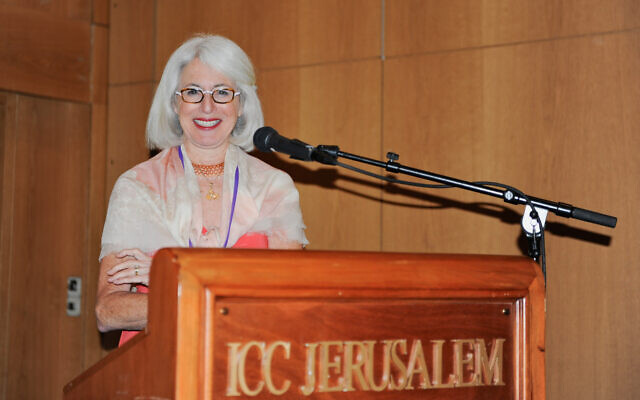
Over the years, fellows have carried JHF’s mission well beyond Pittsburgh; all the while, the organization, according to representatives, has largely remained focused on its origins.
When federal funding for qualified health centers expanded in 2001, JHF staff, and former chair Chuck Cohen, committed themselves to continuing Montefiore’s mission. Recognizing medical needs among individuals from various cultural and religious backgrounds, JHF dedicated nearly three years to completing requisite paperwork and securing funding for what became the Squirrel Hill Health Center.
Upon SHHC’s 25th anniversary, Feinstein called the organization’s work “essential to all of us,” and said federally qualified health centers, like SHHC, ensure patients receive the “best care possible, as early as possible, at the entry level, not when the condition has already escalated.”
Diagnosing ailments and creating remedies weren’t just relegated to doctors’ offices. Almost three decades ago, after conducting a socioeconomic study, JHF discovered nearly 10% of Jewish families in the region were “living in poverty.”
JHF shared its findings, provided a three-year grant to establish a food pantry and asked local organizations, including JFCS, Hebrew Free Loan Association, Jewish Association on Aging, Rabbinical Council of Pittsburgh, Greater Pittsburgh Community Food Bank and Rainbow Kitchen, to start planning. Working together, those organizations created the JFCS Squirrel Hill Food Pantry.
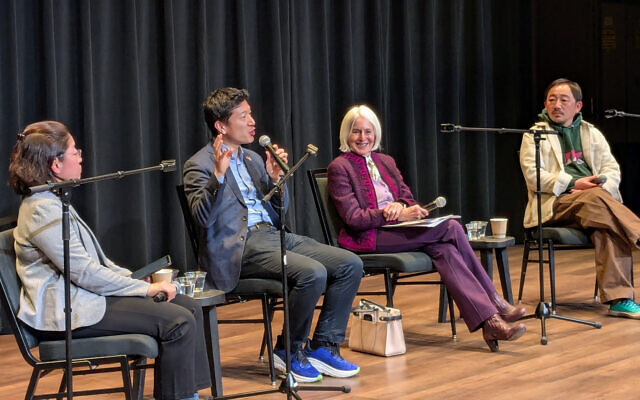
Feinstein can point to numerous initiatives and contributions of JHF, including health campaigns addressing immunizations, breast cancer screening, HPV vaccination, maternal health and nutrition. When the pandemic led to an increased need for mental health support among teens, JHF partnered with JFCS to launch UpStreet, and Friendship Circle of Pittsburgh to create The Beacon. Both centers have helped local youth.
Feinstein is particularly proud of the foundation’s commitment to patient safety, she said.
Nearly 30 years ago, she began partnering with Paul O’Neill, “The Safety CEO.” Then-CEO of Alcoa, O’Neill was widely regarded for his commitment to reducing workplace-related injuries. Feinstein saw the value in O’Neill’s mission and worked with him to create PRHI, an initiative pushing providers to eliminate medical errors, meet patient needs and improve efficiency. Early efforts included convening infection-control practitioners and infectious disease physicians from 30 area hospitals to share best practices for preventing hospital-acquired infections.
The work, according to JHF representatives, spurred a 63% decline in hospital-acquired infections, and, after sending quarterly infection data to the Centers for Disease Control, led the government to publish guidelines based on the Pittsburghers’ efforts.
Watch me
During her decades of leadership, Feinstein has received numerous accolades, including honorary doctorates from Carlow and Chatham universities, The National Board of Medical Examiners’ Edithe J. Levit Distinguished Service Award, Pittsburgher of the Year by Pittsburgh Magazine, the Women of Influence Impact Award from the Pittsburgh Business Times, and was named a Distinguished Daughter of Pennsylvania.
The exposure has enabled her to continue highlighting JHF’s work. In various environments — whether speaking at the White House Healthcare Safety Forum, in recognition of World Patient Safety Day, or alongside philanthropists and academic, medical and technological leaders on study trips to Japan, Italy, Norway, Finland, Singapore, New Zealand, Israel and Australia — Feinstein has sought to learn and teach. The lessons, which she’s disseminated through lectures, publications, podcasts, a TedX talk and countless interactions with thought leaders, colleagues, staffers, fellows and the public, have reflected seismic goals.
“The number one thing is interpersonal relationships,” she said. “Build them far and wide, and keep them alive.”
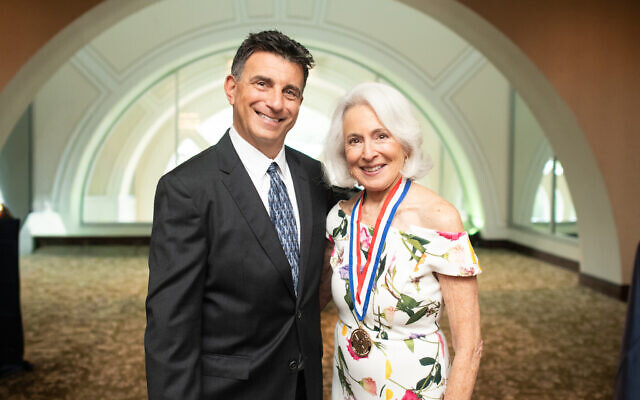
After all these years, Feinstein is well aware of who she is and the organization she helped grow.
“I don’t believe in reading books on leadership. I don’t have an executive coach,” she said. “I have a very tight-knit senior team, and they represent each of our areas of focus.”
For years, the organization has relied on personnel and partnerships to achieve an activist philanthropic model.
Doing so, Feinstein said, requires “a lot of people, a lot of board members supporting this.” Hopefully, “people take pride in what we shaped. We have had an enormous influence.”
Since 1990, JHF has improved health and healthcare through collaboration, education, research and advocacy by partnering with educators, healthcare providers, policymakers and researchers.
The foundation is proud to be more than an entity simply known for “giving out money,” Feinstein said. Similarly, “we don’t fundraise.”
Contracts cover educational and programmatic initiatives — in 2025, JHF secured about $30 million in outside public and private funding.
Feinstein hopes community members support Danny Rosen, the newly-named CEO, as he guides the organization ahead.
View from the top
When Rosen assumes the helm, Feinstein will enter a new role — on July 1, she will become Alvin Rogal president and CEO emeritus — and focus on familiar endeavors, including the Longevity Hub and the Coalition to Advance Safety Healthcare.
For the first time in decades, Feinstein’s professional responsibilities will dramatically shift. Her demeanor and beliefs, however, will remain intact. It’s an attitude and practice, she explained, that women and future leaders can learn from.
“Don’t be timid in how you speak up, or in the aspirations you set for yourself, or for the organization. Do it nicely. Make as few enemies as you can,” she said. “I know women who are afraid. They’ll go to a meeting with me, and they’ll say, ‘I wanted to say that.’ And my feeling is, why didn’t you? I don’t think there’s a penalty. I’ve been the first woman on the Allegheny Conference, the first woman on the Boy Scout board. The men are not afraid of women who have opinions — I mean, try and express them nicely. You don’t have to be rude and abrasive.”
Feinstein remembers a time when community members considered JHF a new entity and a “threat,” she said. But defining a group by the uncertainty of its early years can overlook its mission and its potential.
People should “look to a strong moral core,” and ask themselves, “what is going to make the world better, what will make our region better, what will make our city, our Jewish community, better,” she said. “Focus on that, and not, ‘Is this a threat?’ or ‘Do I agree with the way they’re doing it?’ If they’re doing the right thing for the right reasons, join in, support it.”
And remember, “everyone isn’t going to love you for what you think or where you want to go in life — and you have to live with it,” she continued. “When you have big ideas you can have people who fight you, who don’t like it. But I do think it’s so much more fun to go for the gold.” PJC
Adam Reinherz can be reached at areinherz@pittsburghjewishchronicle.org.
comments