
JHF helps offset rising costs and federal pressure with $500,000 grant to SHHC
'Every human being should have access to the level of high quality medical care that exists in this country...And it should not be dependent on how much money you earn, and it should not be dependent on who you know'
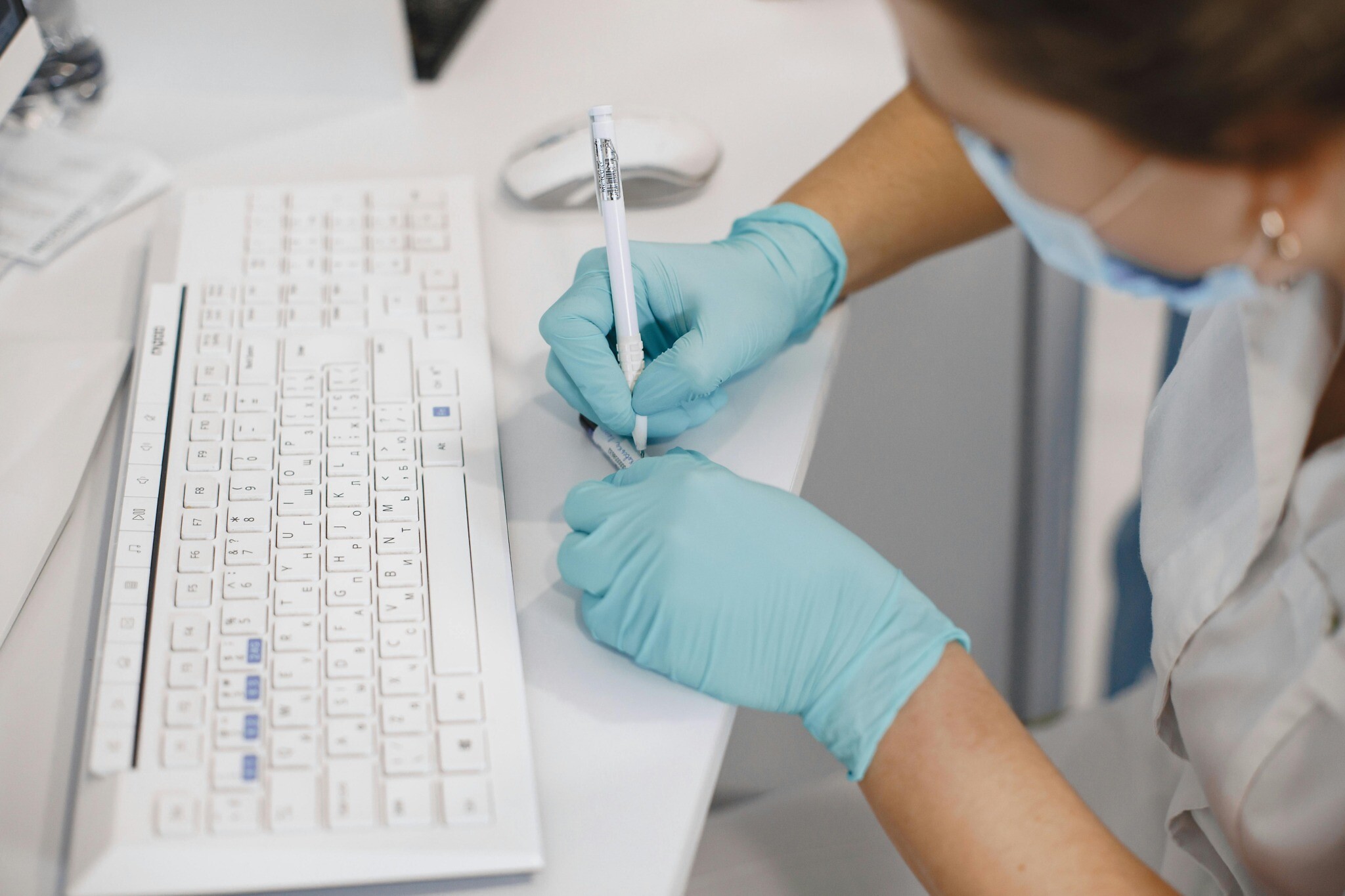
With rising healthcare costs and federal pressures taking their toll on the Squirrel Hill Health Center, a $500,000 grant from the Jewish Healthcare Foundation aims to offer stability.
Days ago, JHF announced it was delivering the grant in an effort to “address urgent community needs, bolster safety-net health providers, respond to threats to state and federal human services funding and invest in the future healthcare workforce.”
The grant is an investment in community, JHF president and CEO Karen Wolk Feinstein said.
“What they do is essential to all of us,” she said. Federally qualified health centers, like SHHC, ensure patients receive the “best care possible, as early as possible, at the entry level, not when the condition has already escalated.”
Without access to primary care, communities and healthcare suffer, SHHC CEO Susan Friedberg Kalson said. “People with chronic health conditions go untreated. People with diabetes, or with high blood pressure or with asthma, don’t have access to the services that keep those conditions under control.” Similarly, women don’t get prenatal care, children, older adults and those with communicable diseases aren’t seen, and the lack of access results in “ripple effects.”
“Children miss school. Adults miss work. They may become unemployed. They end up in the emergency room, and they end up receiving extremely expensive care for much more complicated medical conditions than they would have needed had they just been able to see a primary care clinician on a regular basis.”
Federally qualified health centers stem the swell by wedding “good health and healthy communities,” Kalson added.
With origins dating back nearly half a century, federally qualified health centers provide communities with comprehensive primary care, dental and mental health services, regardless of clients’ abilities to pay. Supported by federal funding — and sliding scales of patient payment — and governed by a board consisting of at least 51% of the patients themselves, federally qualified health centers deliver outpatient safety nets.
Feinstein credited the late Chuck Cohen, a former JHF chair, with advocating for the creation of SHHC almost 30 years ago.
Since its inception, SHHC has been a “jewel,” Feinstein said. “It is a real honor to have been able to watch Susan Kalson, and her team with Jonathan Weinkle, take our wildest aspirations and make them real.”
Kalson credited SHHC’s staff and JHF with understanding a federally qualified health center’s purpose.
“Every human being should have access to the level of high quality medical care that exists in this country, “ Kalson said. “And it should not be dependent on how much money you earn, and it should not be dependent on who you know. Jewish Healthcare Foundation understands that, they believe in it, and we are very grateful that they are investing in us.”
Feinstein said the grant recognizes an unprecedented “threat” to federally qualified health centers. “Appropriations have been delayed, but nobody in the past, in any administration, has really suggested any kind of long-term action to destabilize these community assets.”
Last year, SHHC served nearly 10,000 individuals, Kalson said. “In addition to taking care of people with no insurance, we take care of people with every kind of insurance.” Historically, though, “Medicaid has been the single largest payer, the single largest source of patient reimbursement revenue, for SHHC.”
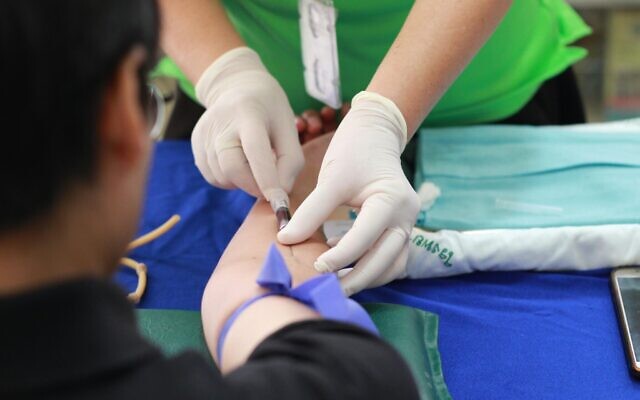
Following passage of the One Big Beautiful Bill Act of 2025, and its cuts to Medicaid and other policy changes in the health insurance marketplaces, SHHC anticipates major economic shifts.
Many people are insured through the Affordable Care Act, and “the premiums on those plans are about to take a big jump,” Kalson said. “The expectation is that people will be dropping that insurance because they simply can’t afford the premium.”
Days ago, the American Medical Association warned that passage of the OBBBA means “delayed care, worse health outcomes and financial hardship for families,” while for physicians it corresponds to “more uninsured and underinsured patients, less stability for safety net financing and growing pressure on already strained practices.”
A federally qualified health center’s continuance cannot be divorced from economic realities, Kalson explained.
“We exist to care for people whether or not they have insurance, but there’s a tipping point. We have to have enough revenue to be able to sustain our operation,” she said. “All of our costs have been rising — the cost of supplies, of personnel — dramatically, especially since the pandemic.” At the same time, “our federal grant has stayed at pre-pandemic levels. Some other government grants have been cut, and we’re seeing more people without insurance.”
The totality represents a “perfect storm,” Kalson continued. JHF’s grant is “just essential to us, and we could not be more grateful.” This $500,000 sum permits SHHC to “keep planning for the future and ensuring that we will be here for another 20 years, and that we will continue to care for everyone who needs us, and do so with compassion and with dedication and with a commitment to continual improvement and to meeting the needs of our community, however they present themselves.” PJC
Adam Reinherz can be reached at areinherz@pittsburghjewishchronicle.org.
comments