
Bridges in Pittsburgh
"Living in Pittsburgh has taught me that this city, for all its grit and gray skies, has an unmatched heart."

I was just 22 years old when I left Islamabad, Pakistan, with two suitcases and a heart full of hope. I had grown up hearing stories of the American dream, of opportunity, freedom and the chance to build something lasting with hard work and faith. But I also knew that dreams were never simple. Mine began with a one-way ticket, a nervous smile and a belief that somewhere out there I’d find my place in the world.
The first few years were a blur of movement and survival. I first landed in New York, where the city pulsed with energy. Too fast, too crowded, too alive for me to find peace. I worked part-time jobs, studied and tried to learn the rhythm of a country that never seemed to stop moving. From there, I drifted south to Virginia, then to North Carolina. Each state offered something new: faces, lessons, mistakes and moments of quiet gratitude. I met people who welcomed me with open arms, people who didn’t understand me at all and others who reminded me that kindness still existed in unlikely places.
Through every move, every late-night shift, every lonely meal in a small apartment, something inside me kept pushing forward. I didn’t know what I was chasing exactly, maybe a sense of belonging, maybe peace, but I knew I hadn’t found it yet. That search, somehow, led me to Pittsburgh.
Get The Jewish Chronicle Weekly Edition by email and never miss our top stories Free Sign Up
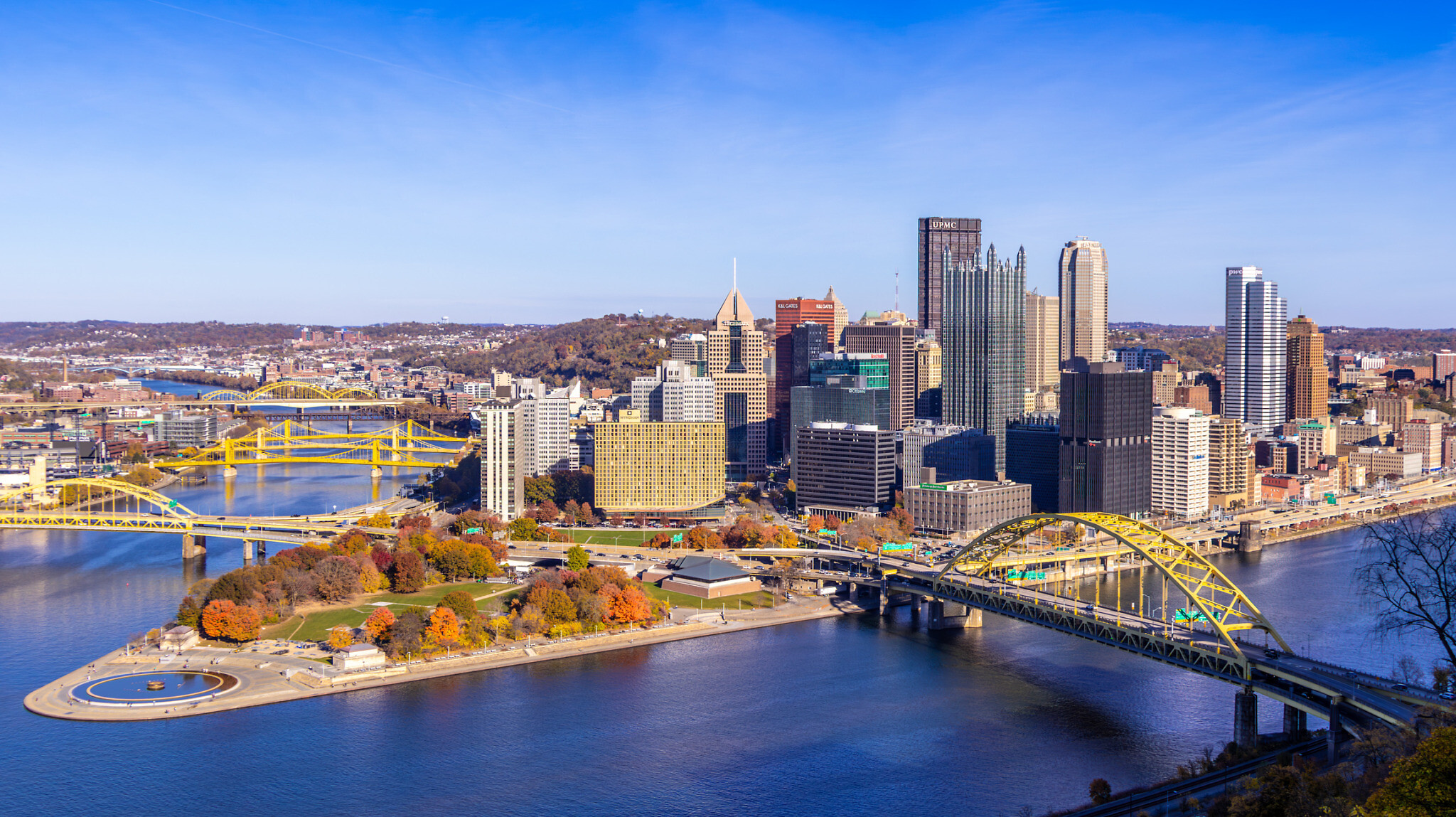
At first, Pittsburgh didn’t strike me as anything extraordinary. It wasn’t as glamorous as Los Angeles or as relentless as New York. But there was something different about it, something steady and genuine. The old steel mills seemed to whisper stories of struggle and rebirth, and the bridges — so many bridges — felt like living metaphors, connecting not only neighborhoods but people and their stories. The city had a soul, one built from hard work, heartbreak and resilience. I didn’t know it yet, but Pittsburgh would become the place where I finally found home.
It was in Pittsburgh that I met Bruce and his parents, the Choders. They were an old Jewish couple who had lived in Squirrel Hill their entire lives. Our friendship began in the most ordinary way. I was working at a store in Dormont when Bruce walked in one afternoon. He asked me where I was from, and when I told him “Pakistan,” his face lit up with curiosity. He had a deep love for languages and cultures, and our brief conversation turned into a longer one about Urdu, food and migration.
Soon, Bruce started visiting more often, and one day he invited me to meet his parents. The Choders welcomed me into their home like I was already family. What began as occasional chats turned into regular dinners and long afternoons filled with laughter, debate and warmth. We shared meals, exchanged stories and, over time, our relationship deepened into something far more meaningful.
They became my American family.
They never tried to erase our differences or pretend they didn’t exist. Instead, they honored them. We talked about religion, history and politics. Sometimes disagreeing, often learning from one another. When Bruce’s uncle passed away, I attended the funeral. I stood beside them, feeling the weight of their loss, understanding that grief transcends faith or culture. We celebrated each other’s holidays, shared moments of silence in times of hardship and found comfort in our shared humanity.
A year later, when I got married, the Choders were there. When my son was born here in the heart of Pittsburgh, they were among the first to congratulate. They held my baby as if he were their own grandchild. Mrs. Choder would hum soft lullabies to him, her voice trembling with age but filled with love.
That’s when I realized that family isn’t always defined by blood. Sometimes, it’s built through kindness, respect and the courage to see each other beyond labels.
Living in Pittsburgh has taught me that this city, for all its grit and gray skies, has an unmatched heart. It’s a city marked by both tragedy and triumph. I remember when the Pittsburgh synagogue shooting happened. The horror of that day shook everyone, but what stood out to me was how the city responded, not with anger or hate, but with unity and compassion. Muslims, Christians, Jews and people with no faith at all came together to mourn, to support and to rebuild. At that moment, I saw the real soul of Pittsburgh.
This is a city where people still greet their neighbors, where markets are filled with accents from around the world, and where a Muslim immigrant from Pakistan and a Jewish family from Pennsylvania can become more than friends; they can become family.
In a world that often pushes us to pick sides, to divide people into “us” and “them,” our friendship stood quietly against that current. The bond between the Abidis and the Choders became a small but powerful reminder that humanity is louder than hate. We didn’t just share meals; we shared our lives. We sat at the same table, even when the world outside seemed determined to pull people apart.
Pittsburgh didn’t just give me a home, it gave me belonging. It gave me proof that goodness still exists, that empathy can bridge any divide, and that love can cross boundaries of faith, culture and history.
When I walk through the streets now, I see the same bridges that once felt like symbols of distance now representing connection. They remind me that life is not about where you come from, but what you build and who you build it with.
If you love Pittsburgh, it will love you back. I know that now. I came here searching for meaning, and I found it in the laughter of friends, the kindness of strangers and the embrace of a family I never expected to find.
In this city of steel and soul, bridges are still being built and I am proud to be one of them. PJC
Hassan Abidi is an automotive parts specialist in Richmond, Virginia.
comments