
Summer heat is no sweat for local master gardeners
'We plant trees, not because we’re going to be able to enjoy the fruit or shade, but that our children and grandchildren will'
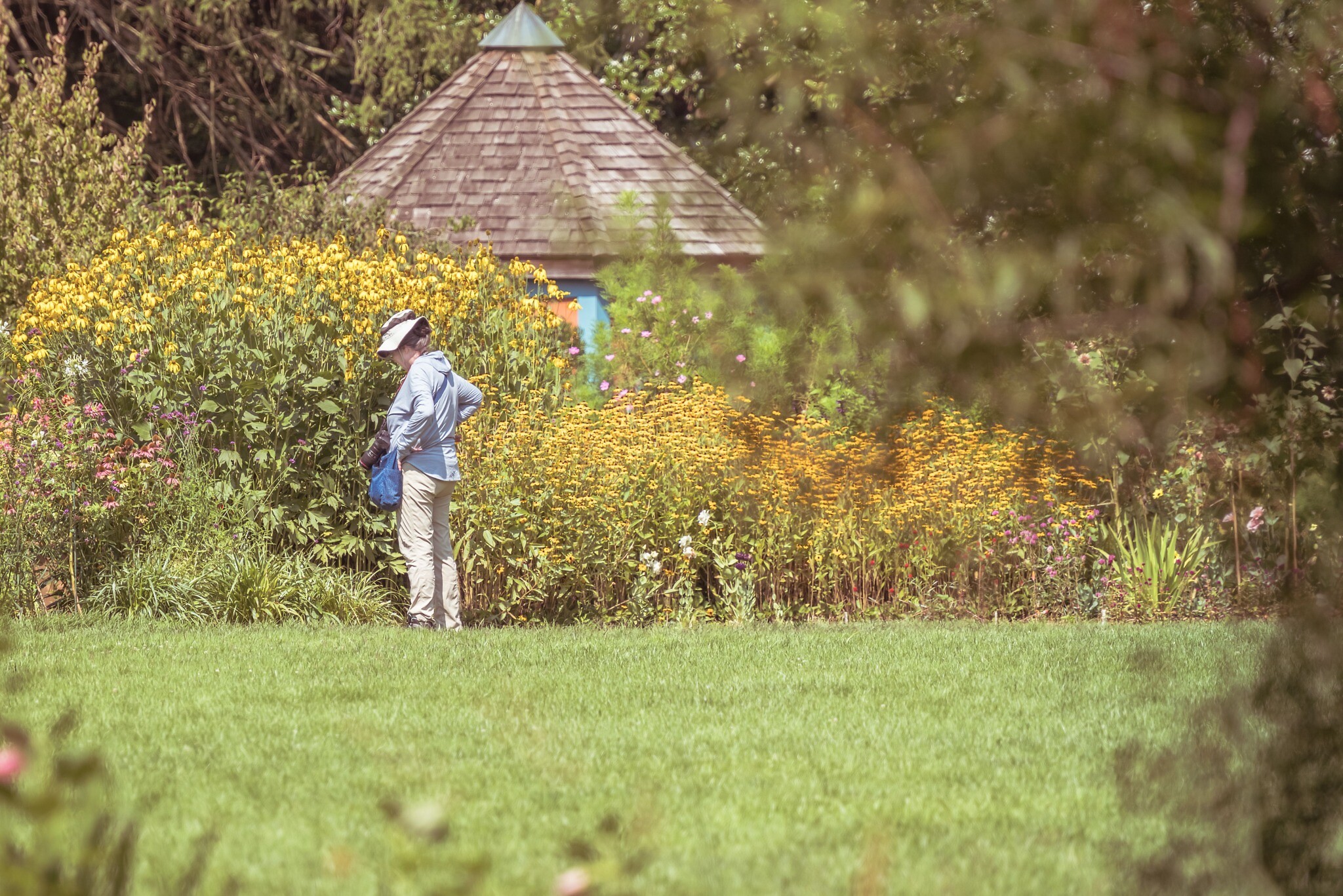
While summer temperatures are driving some Pittsburghers indoors, local Jewish Master Gardeners are taking the heat rather coolly.
Squirrel Hill resident Boaz Frankel happily spends his days outside. The author and journalist, whose Rootbound Substack has more than 2,000 subscribers, said the only thing he’s watering these days are his vegetables.
“I’ve got a rain barrel so I don’t have to run the hose,” he said. “Over the last few years I’ve been planting native perennials, and after two or three years they’ve grown deep enough roots that they can handle a dry spell.”
Last week’s scorcher boasted temperatures reaching the low-to-mid 90s. Heat index values, which measure what the temperature actually feels like, clocked in around 100.
Gibsonia resident Elaine Liberati responded to the summer sizzle by “watering a lot,” she said.
But how much, and what’s required, is a bit of a neighborhood jest.
When she goes on a vacation, she said, neighbors silence their phones because watering her garden means using a 150-foot hose, she told the Chronicle. “Nobody wants to carry that around.”
Squirrel Hill resident Lauren Mallinger is no stranger to the heat. The Jewish Master Gardener spent nearly four years living on Israeli kibbutzes. When it comes to dealing with southwestern Pennsylvania soil, however, Mallinger’s approach is universal.
“The one thing about gardening is you have to know your plants,” she said. “You have to know what’s going to last.” Watering is certainly necessary, as is fertilizing, but the key is to really understand each plant’s likes, dislikes, and “which ones thrive in heat.”
Mallinger pointed to tomatoes, peppers, eggplants and rudbeckia as solid choices for summer sun. Impatiens and begonias, however, “really need partial shade or they’re just going to dry up.”
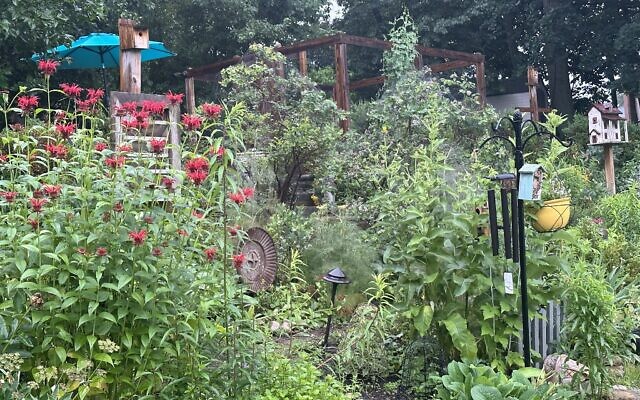
The Master Gardeners — all of whom completed dozens of hours of training, passed a certifying exam and regularly aid communal gardening projects — said summer isn’t necessarily the easiest time to cultivate a garden, but if there’s a desire to do so, then dig.
“It’s definitely easier to plant in the spring and fall but it’s never a bad time to start gardening,”
Frankel said. “You can still plant some veggies now that you can harvest in the fall.”
Liberati suggested including containers and native plants.
Using larger containers is helpful this time of year, she said. “If you have small containers, it’s labor intensive to water every single day.”
Given the heat, it isn’t the easiest time to begin an outdoor project, “but as long as you can clear your little space and start very simple,” summer gardens can bloom, Mallinger said. “Make sure you know your soil, make sure you amend your soil — even if you have a little patch, throw some compost on, throw some mulch on, to maintain the soil.”
What grows from that exercise isn’t only a beautiful flower or delicious salad item, she explained.
In recent years, the Squirrel Hill green thumb has worked on Rose’s Garden at the Jewish Community Center in Squirrel Hill and Kavod Garden in Shanksville, Pennsylvania, at the Flight 93 tribute site.
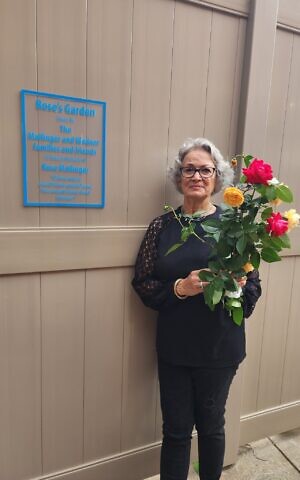
Working in those spaces has created meaningful connections because gardening is a “group activity,” she said. “It’s something that is shared with many people.”
Liberati mentioned a Talmudic passage regarding the planting of a carob tree: A gardener involved was asked why he would plant something that only bears fruit long after his existence ends; the anonymous gardener replies, “Just as my ancestors planted for me, I too am planting for my descendants.”
That statement, Liberati said, is a reminder to look ahead and support future generations. “We plant trees, not because we’re going to be able to enjoy the fruit or shade, but that our children and grandchildren will.”
Along with creating communal and generational bonds, gardening ties one to faith and culture, Frankel explained.
“Look at our major holidays. Pesach, Shavuot and Sukkot don’t just commemorate moments in our people’s history, they tell the story of the agricultural year,” he said. “Pesach coincides with the barley harvest. Shavuot with the wheat harvest and Sukkot marks the end of the fruit harvest. Of course this timing works better in Israel than in Pittsburgh, but I think of this Jewish cycle every time I harvest my first and last piece of produce in the garden.”
Liberati agreed and said that closeness to nature reminds gardeners about “the cycles of life.”
Putting one’s hands in the dirt is not only a nod to history, but an act of defiance and a summer soother, Mallinger explained.
“Our people — especially when we were kicked out of places — couldn’t build on the land,” she said. Hardship, experienced on all soils, requires “making do with what you can.”
Even in a Pittsburgh summer, the gift of going outdoors, putting one’s fingers in the dirt and creating “is so gratifying,” she added. Stepping on soil, barefoot, “it centers you.”
The lesson is easy to harvest, Frankel said. “If you’ve thought about starting a garden, do it. Start small but plant something this year. Gardening is therapy. It’s a way to get fresh produce. It’s an excuse to get outside. And it connects you to the seasons and passage of time in an inherently Jewish way.” PJC
Adam Reinherz can be reached at areinherz@pittsburghjewishchronicle.org.
comments