
Why people really move
Some of the most memorable clients I’ve worked with weren’t moving because they found the perfect house. They were moving because they were ready for what came next.

After more than two decades in real estate, I’ve learned something that might surprise people.
Most moves have very little to do with real estate.
Of course, buyers and sellers talk about interest rates, inventory levels, school districts, taxes and market conditions. Those things matter. But when I sit at kitchen tables with clients and hear the stories behind their decisions, the reason people move is almost always much more personal.
Get The Jewish Chronicle Weekly Edition by email and never miss our top stories Free Sign Up
Life changes.
A new baby arrives and suddenly the charming two-bedroom home feels a little too cozy. Children leave for college and parents find themselves rattling around in rooms that no longer get used. A career opportunity presents itself. A retirement dream finally feels within reach. Aging parents need support. A marriage begins. Sometimes a chapter ends.
The home is simply where those life changes show up.
Some of the most memorable clients I’ve worked with weren’t moving because they found the perfect house. They were moving because they were ready for what came next.
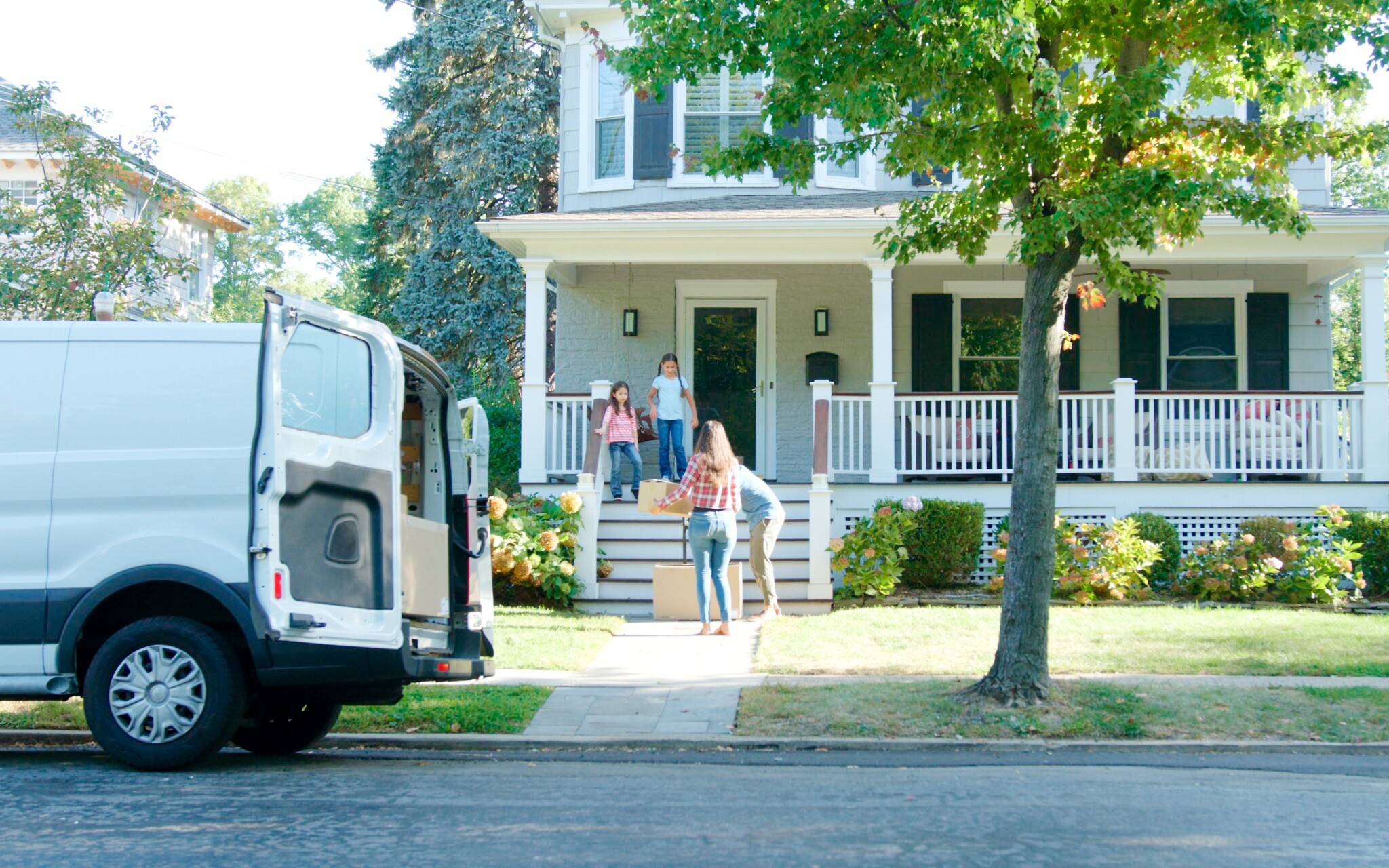
I’ve worked with young couples excitedly measuring nursery walls before they’ve even unpacked their moving boxes. I’ve helped empty nesters leave homes where they raised children, hosted holidays and celebrated countless milestones. I’ve met retirees eager to simplify life and spend less time maintaining a house and more time enjoying it.
And almost every one of those moves came with mixed emotions.
That’s something people don’t talk about enough.
Selling a home can be exciting, but it can also be emotional. Even when you’re ready to move, it’s natural to feel attached to a place that has been part of your story. I’ve watched sellers walk through a home one last time and point out where their children took their first steps, where birthday parties were held, or where family traditions began.
I’ve walked through hundreds of homes over the years, and some of the most meaningful details aren’t the gourmet kitchens or beautifully renovated bathrooms. They’re the little reminders that a life was lived there.
One of my favorites is the growth chart on a doorway or wall. Sometimes it’s tucked away in a mudroom, a pantry, or the corner of a kitchen. There, in pencil marks carefully recorded over decades, is the story of a family. Names, dates, heights and occasionally grandchildren added years later. What might look like a simple series of marks to a buyer is often a treasured timeline for the seller.
I’ve seen homeowners pause in front of those growth charts during a final walk-through and smile as they remember first days of school, family gatherings and children who are now raising families of their own. Those markings tell a story that no square footage measurement or property brochure ever could.
They remind us that while houses are bought and sold every day, homes are where our lives unfold.
That’s why moving is rarely just a financial decision. It’s an emotional one. People aren’t simply leaving behind walls and windows. They’re leaving behind memories, traditions and chapters of their lives that took years to write.
Buyers experience their own emotions as well. Purchasing a home is one of the largest financial decisions most people will ever make. Excitement and anxiety often travel together.
That’s why I always encourage both buyers and sellers to remember that real estate decisions shouldn’t be made solely based on headlines.
For buyers, my advice is simple: Focus on your life, not on timing the market.
If your family needs more space, if you’ve found a neighborhood you love, or if you’re ready to put down roots, those factors often matter far more than trying to predict where mortgage rates might be six months from now. I’ve seen many people wait for the “perfect” moment, only to realize that life had already given them the answer.
For sellers, don’t underestimate the value of preparation.
The homes that generate the strongest interest are rarely the most expensive or the newest. They’re the homes that feel cared for. Fresh paint, thoughtful maintenance, decluttering and good presentation can make an enormous difference. Buyers want to envision their future there, and a well prepared home helps them do exactly that.
Most importantly, don’t lose sight of the bigger picture.
A house is a structure. A home is where life happens.
The real estate market will always fluctuate. Interest rates will rise and fall. Buyer demand will strengthen and soften. Those things are part of the cycle.
What remains constant are the people making important decisions about their futures.
That’s what I love most about this profession. Every transaction represents a new chapter for someone. A beginning. A transition. An opportunity.
When people ask me why someone is buying or selling a home, my answer is usually the same.
They’re not really moving because of real estate.
They’re moving because life is moving forward.
And sometimes, home is simply the place that helps us get there. PJC
Melissa Reich is a luxury home specialist at RE/MAX Realty Brokers.
comments