
$200K state grant to bolster student support and parent programming at Jewish day schools
'Educating the whole child isn’t just teaching them a skill or a particular piece of knowledge or information...It’s dealing with their character. It’s dealing with their confidence.'
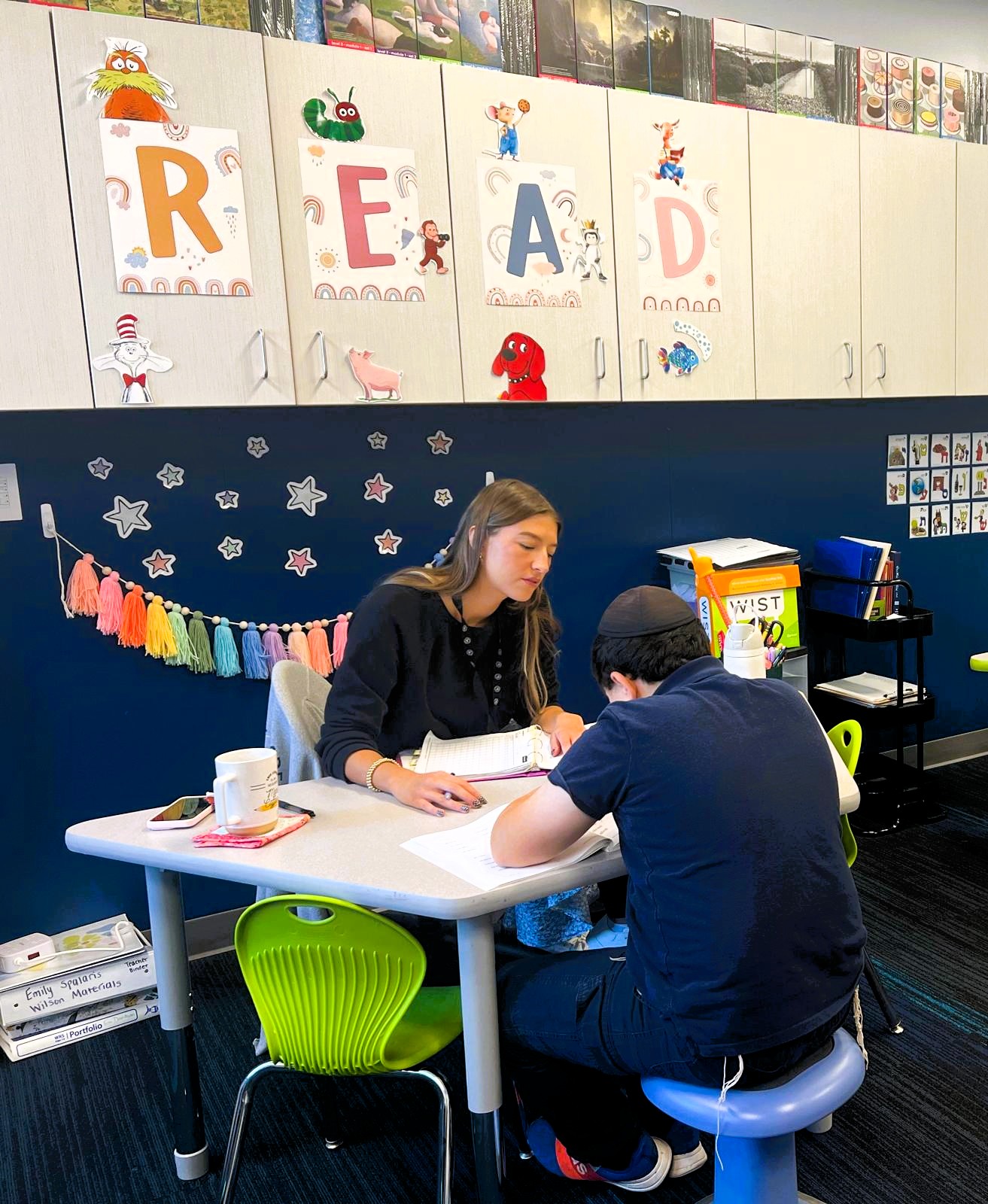
A $200,000 grant, funding behavioral health services and support for neurodiverse learners, was awarded to Pittsburgh’s three Jewish day schools by the Pennsylvania Department of Education. The funds, according to school leaders, will boost physical therapy, occupational therapy, speech therapy and social work within the institutions, as well as enable schools to host community-centered programming regarding parenting and teen mental health.
“What we want to do — and what we know we can do — is have the best possible services embedded within our schools,” Casey Weiss, Community Day School’s head of school, said.
The grant, which will be split evenly between the schools, is a credit to state Sen. Jay Costa’s assistance and recognizing the communal value of Pittsburgh’s Jewish day schools, Weiss continued. “We are all in this together.”
Both Yikara Levari, Hillel Academy of Pittsburgh’s principal and educational director, and Rabbi Yossi Rosenblum, Yeshiva Schools of Pittsburgh’s CEO and head of school, credited Costa and Weiss with ensuring local Jewish learners have adequate services.
More than a year ago, Weiss began spearheading the effort by gathering colleagues from the day schools to discuss growing needs and how they could strengthen their work together.
“We believe wholeheartedly — all of us and I think our board chairs would agree — that the future of Jewry actually hinges primarily on our youngest Jewish learners and specifically on the success of our Jewish day schools,” Weiss said. “How do you combat antisemitism? Jewish day school. How do you raise proud Jews that want to continue practicing Judaism? Jewish day school. A core unifying statement is that we need these schools to be the best possible schools.”
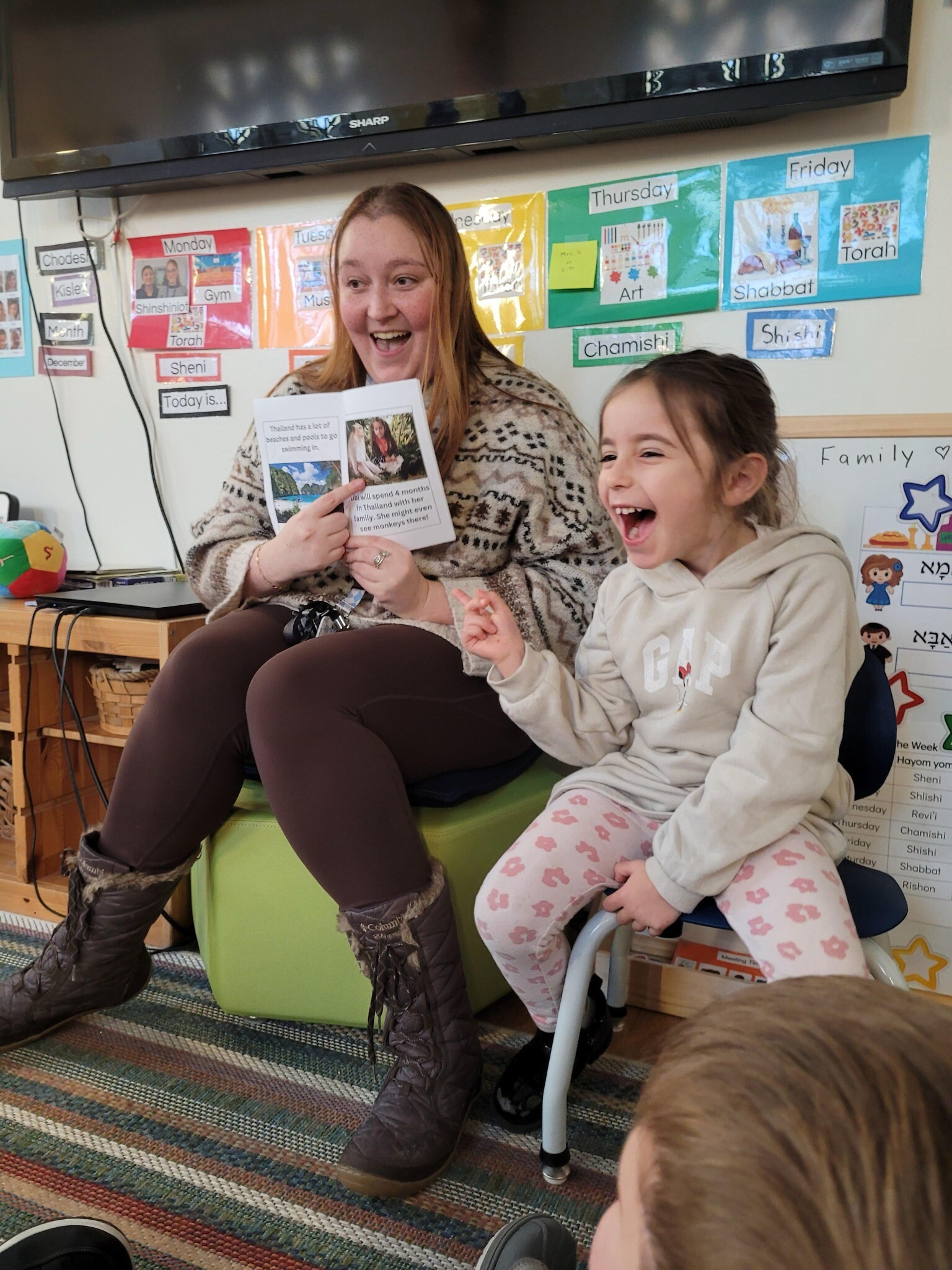
Ensuring excellence requires meeting the needs of nearly 1,100 students and their families.
For many children post-COVID, additional aid is required in “mental health, reading support, math support, occupational therapy and speech,” Weiss said.
The grant, and its ability to allow schools to provide assessment, intervention and ongoing support for students, isn’t about “babying” children, Rosenblum said. There are students who have “challenging home situations or have suffered anxiety. Upper elementary and high school kids deal with the stress over antisemitism and what’s going on in Israel. There are a whole host of issues that kids face, and if you can provide them those supports, and help remediate some of their issues, it helps across the board.”
Researchers, writing in Frontiers in Public Health, stressed the importance of school intervention’s impact on adolescents: “The vast majority of behaviors and habits acquired at this age persist into adulthood, so these behaviors determine not only present, but also later health status.”
Educators face several responsibilities beyond academic instruction, school leaders told the Chronicle.
“There are many aspects to a child, and a child cannot effectively learn if they’re struggling. We need to be able to help them,” Levari said.
“Educating the whole child isn’t just teaching them a skill or a particular piece of knowledge or information,” Rosenblum said. “It’s dealing with their character. It’s dealing with their confidence.
“It’s been proven time and time again that when you intervene and give support at a young age, children can be more successful,” he continued. “That’s what we’re doing here. We’re identifying issues and giving support.”
Along with increasing school-based services, the grant money will go toward parent programming.
“Many of our families are coming to us, wanting support, wanting good information, wanting to know how to meet the needs of their children,” Weiss said.
In the coming months, day school leaders will roll out various adult learning opportunities.
Levari hopes adults take advantage of the offerings.
“Parents need to be informed,” she said. “We live in a society with other people and this programming helps foster sensitivity, understanding and empathy.”
Every parent won’t necessarily attend a public workshop, but every parent should understand educational realities, Rosenblum said.
A December 2024 survey of 990 educators by EdWeek Research Center described worsening student behavior post-pandemic. While behavioral problems ranged from classroom disruptions to “student fights broadcast on social media,” teachers also noted a decrease in students’ motivation.
Among U.S. high school students in 2023, 40% reported persistent feelings of sadness or hopelessness, according to the Centers for Disease Control and Prevention. Although the figure represents a “slight improvement from 42% in 2021, the 10-year trend shows an alarming 10 percentage point spike from 30% in 2013,” the Annie E. Casey Foundation reported.
For educators, the trend is obvious, Rosenblum said. “The number of children who are facing either academic, emotional or social challenges has grown over time — that’s my experience having been in education for 38 years.”
“We need to expand the services that we can offer to best meet the needs of our current student population,” Weiss said.
The grant will ease the financial burden of providing student services, but those supports existed well before the grant, Levari said. “Just like there’s academic support, there’s behavioral support. It’s what kids need.” PJC
Adam Reinherz can be reached at areinherz@pittsburghjewishchronicle.org.
comments