
With eye to future, educators aid ‘COVID kindergarteners’
Five years later, pandemic shadows linger. Helping Pittsburgh’s youth requires 'inquiry and partnership,' say local educators
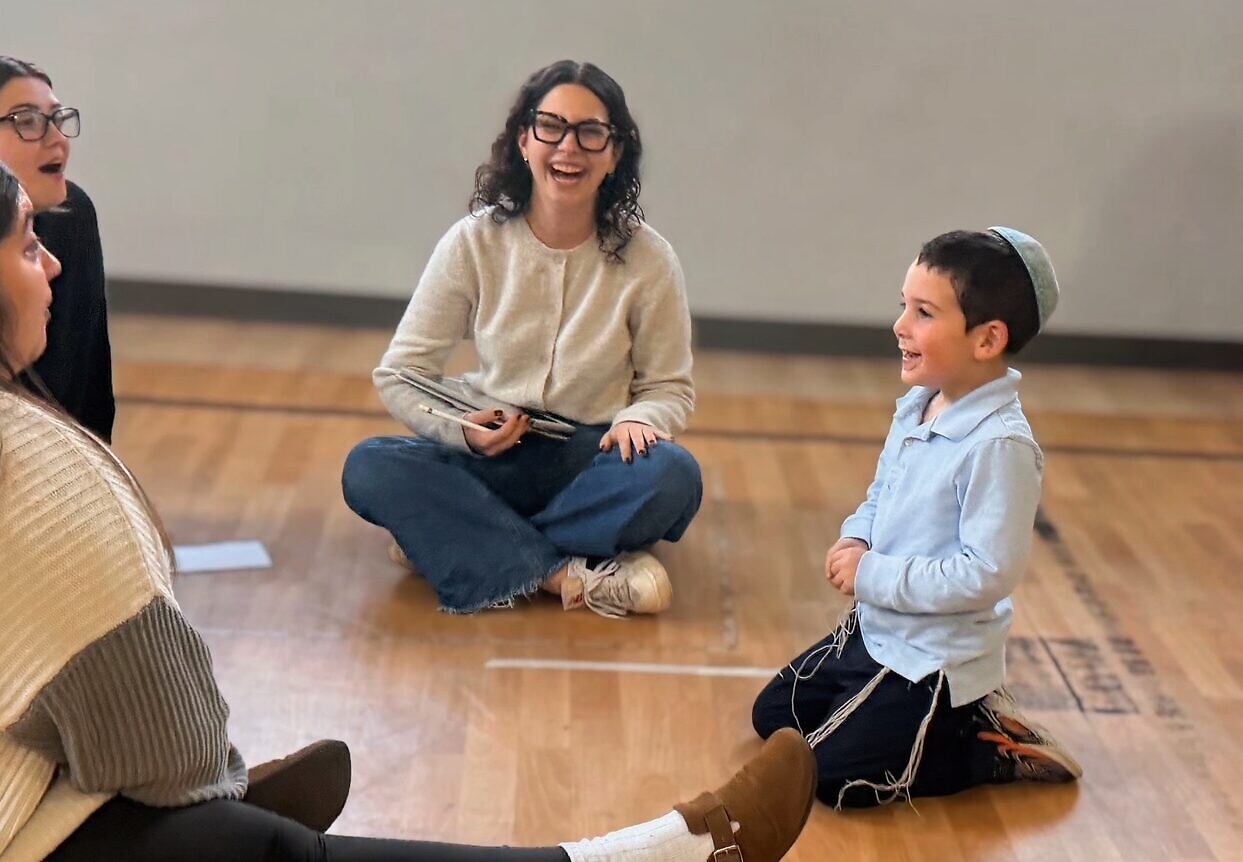
A kindergartener in Amy Matthews’ Community Day School class returned to school after getting vaccinated. When Matthews asked about the experience, the student replied, “What’s COVID?”
Kindergarteners are typically 5 or 6 years old. Born during the pandemic, most have little to no memory of masking, lockdowns, podding and periods of social isolation. Still, COVID’s shadow lingers over Pittsburgh’s young learners.
With nearly half the academic year complete, representatives from the city’s Jewish day schools said this year’s kindergarteners have behavioral patterns dissimilar from older students. Whether it’s hyperactivity, failure to make eye contact or difficulty regulating emotions, many of today’s kindergartners — and even early grade school students — present patterns that signal a new educational reality. While teachers were always tasked with meeting students’ needs, demands post-COVID have shifted.
Classroom sights and sighs
Having students become “successful citizens” in a classroom requires “a lot of scaffolding now,” CDS Head of School Casey Weiss said. Teachers are spending more time on “how to have eye contact and what it means to come into a classroom and say, ‘Good morning,’ to a classmate.”
Students require additional instruction regarding social awareness and “niceties,” Weiss continued. Learning how to stand in line isn’t simply a lesson in safety, it’s understanding when someone “brushes by us, or we knock into someone, we say, ‘Hey, are you OK?’”
Sophie Rice, a counselor at CDS, said she’s noticing “struggles in social communication.” Many kids are “more comfortable talking to adults than they are talking to their peers.” Whether it’s describing weekend engagements or asking questions that foster relations, students are reluctant to “get to know each other on a deeper level.”
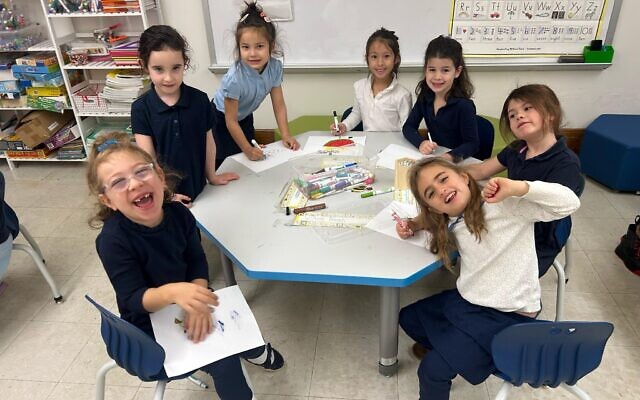
Hillel Academy of Pittsburgh Principal Yikara Levari called current kindergarteners more energetic and physical than previous cohorts.
Brittney Friedman, an elementary principal at Hillel, said many kindergarteners, and students slightly older, are not only afraid of failure but lack skills to handle hardship.
“We have kids that will throw things across the room because they don’t even want to try,” she said.
Citing research from University of California, Irvine, Friedman mentioned declining abilities to focus. Whereas students’ average attention span in 2004 was 150 seconds, it’s now closer to 47 seconds.
What’s happening
Those in kindergarten are among the 3.6 million children born during 2020. Studies regarding the pandemic describe “negative developmental outcomes,” however additional research is needed to determine any lasting effects on young children, according to a study of 475,740 kindergarteners published in JAMA Pediatrics.
While the coming years should offer insight, Pittsburgh’s educators said looking back provides perspective.
Kids born during COVID largely missed out on “mommy and me groups” or other settings where similar-aged babies, toddlers and parents consistently interacted, Rice said.
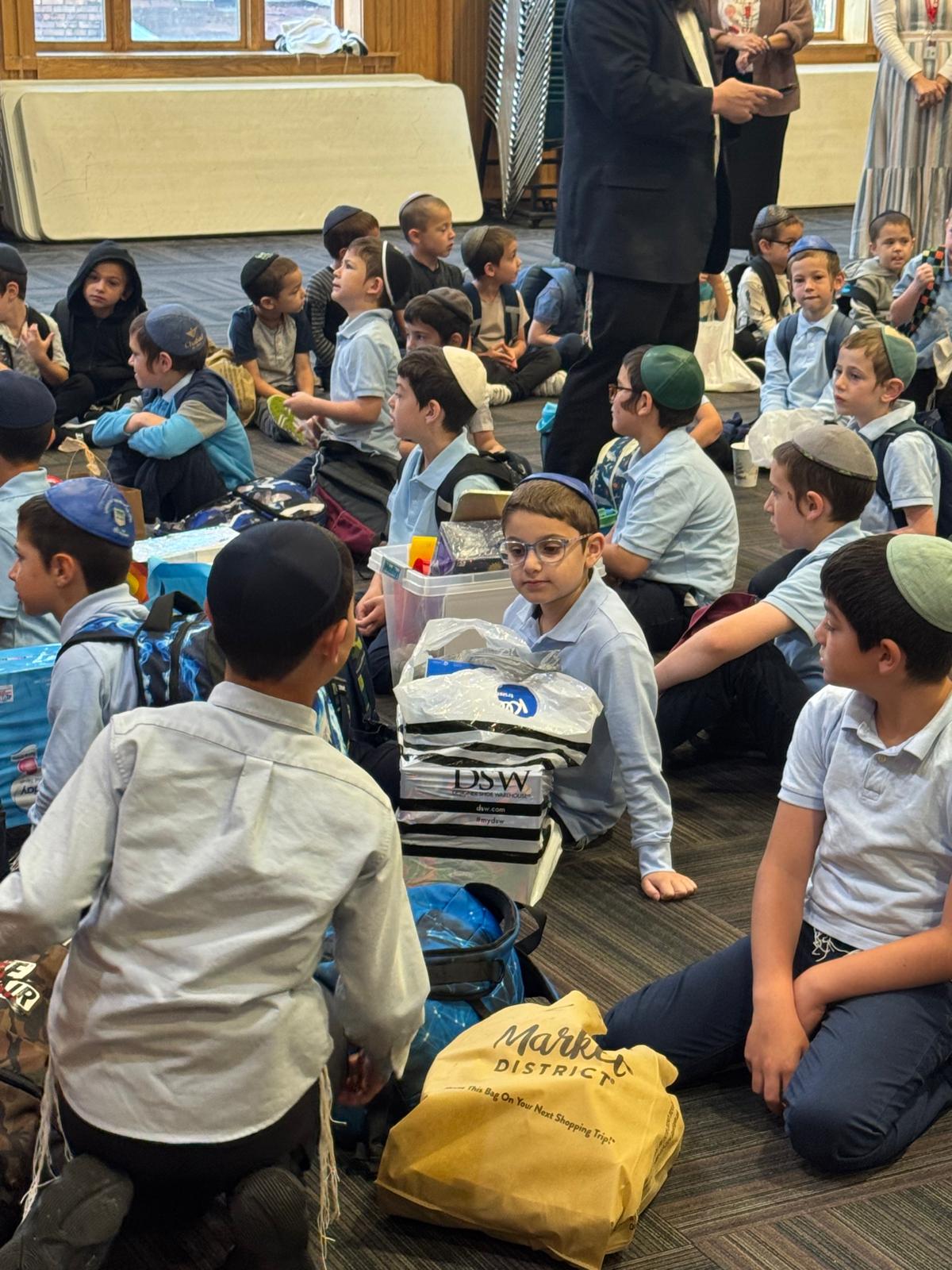
Whether children missed seeing peers or had fewer chances to learn how to share, the effects of social isolation were intensified by what happened at home, Friedman said.
Careful not to criticize parents, the educator noted many people simultaneously lost daycare or similar resources, while needing to uphold professional and familial duties. For numerous people, the “mindset of COVID just became survival.”
Practices from that period remain, as many parents realize, “If you just tie a kid’s shoelaces, there will be no tears, there will be no dysregulation, everyone will just get out of the house where we need to go.” But denying children agency restricts their ability to “problem-solve,” Friedman said. There are students today who cannot “regulate when someone ruined their project in kindergarten because they didn’t have those skills from when they were 2, 3 and 4.”
Step by step
Educators are responsible for more than academics. “We need to empower children to learn and to practice being people,” Weiss said. “It’s about putting on your coat and taking your coat off. It’s about learning to tie our shoes.”
Parents can aid development by having children help bake, water plants or assist with other responsibilities at home. “We don’t want to foster a culture of learned helplessness where the adults are stepping in to do everything,” Weiss continued. Creating a culture where students are empowered to solve problems and “learn how to do things for themselves is going to create a much more capable community.”
Weiss and other educators told the Chronicle addressing kindergarteners’ behaviors should not be confused with “recognizing and honoring neurodiversity.”
There are students with “struggles and things they are actively working on, and that is really important to note,” Weiss said.
The key to addressing today’s kindergarteners is not simply saying every student “has a diagnosis” or requires individual services, Levari said. “Those are determined by a lot of different factors.” What’s imperative is that “the environment, education, everything, has to adapt so that we can better meet students’ needs.”
Hope for a remedy
Kindergarteners have experienced certain challenges, but researchers point to children’s resilience.
Dani Dumitriu, a pediatrician and Columbia University neuroscientist, told NPR, “One of the important things about child development is that what happens at 6 months is not predictive of what happens at 24 months and it’s not predictive of what happens at 5 years.”
Classroom activities are significant, according to local educators.
Along with creating “calm down spaces” where students can address overstimulation, there’s increased effort at Hillel to group students in pods or around tables to promote “partner and collaborative learning,” Friedman said. Similarly, teachers are being asked to see the scientific method as more than a discipline-specific model.
The process “embodies failing,” Friedman said. “Students design something, and if it doesn’t work, it’s not up to the teacher to tell them how to fix it. It’s for them to problem solve and figure out, ‘Well, why did my bridge collapse?’”
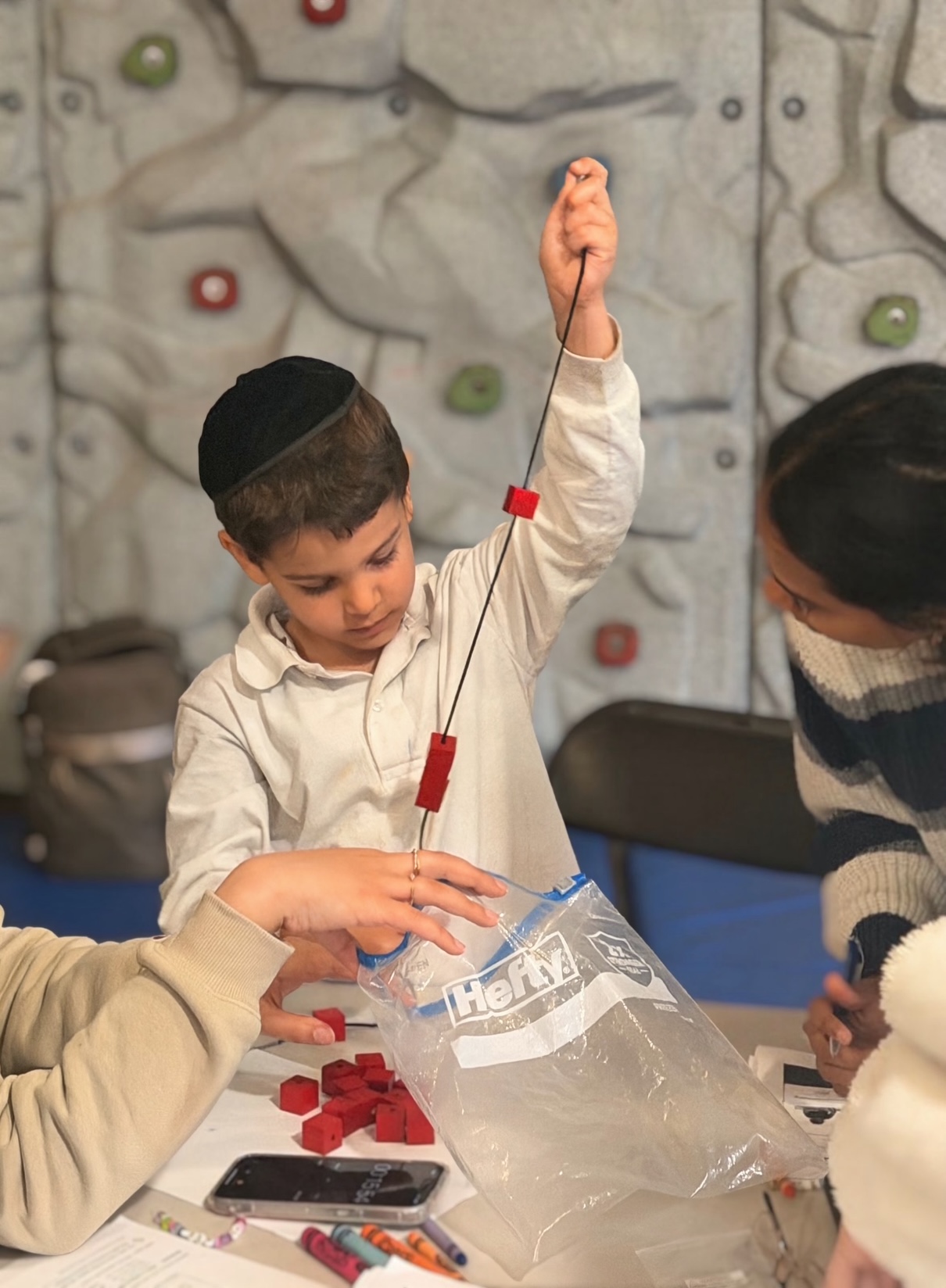
Down the road at CDS there’s a similar push for inquiry and partnership.
“We do a lot of asking each other questions and talking about our feelings,” Rice said. During a recent activity, students drew a “serene happy place” before educators told young learners to remember, “Next time I’m stressed, next time I’m angry, I can go to my happy place in my mind.”
Using art for empowerment is just one example of helping kindergarteners “build up skills” for everyday life, Rice said. Also important is reminding students “they’re in this together, and they can, throughout the rest of the week, ask each other for help, because they’ve kind of gone through this experience together.”
Matthews said she encourages students to “answer a question with a question, so that it continues the conversation.”
Acting Talmudically isn’t merely for kindergarteners.
“Parents need to take this kind of thing into account,” Rice said.
There’s a natural power imbalance between parents and children, but encouraging reciprocal conversations isn’t about promoting disrespect, it’s about empathy, she continued. “It is challenging to be a kid right now, and there are lots of things that we can do to kind of boost them back up in a world that has all these challenges that we didn’t deal with when we were kids.”
The more things change
When it comes to young learners, there are two aspects to the COVID story, said Leah Shollar, a Yeshiva Schools of Pittsburgh administrator who oversaw General Studies Grades 1-12 during the pandemic. “One is the academics and one is the social emotional.”
Regarding academics, “if you’re tuned in, you see where the gaps are and you come up with a plan to remediate them. I think the bigger issue for kids in Pittsburgh, in the day schools, is that it’s been a very traumatic childhood so far.”
Even if they aren’t aware of the specifics from the Pittsburgh synagogue shooting and its trial, or the events of Oct. 7, 2023, and the ensuing Israel-Hamas war, students have been inundated with conversations and media coverage about antisemitism and hardship. The pandemic is “one of a number of pretty intense experiences that this cohort of kids has been through,” Shollar said.
Children need a “healthy social emotional environment,” and it’s educators’ and parents’ responsibility to provide “positive experiences for them to feel a sense of community and connection.” It can’t be that the world is simply a “scary place where bad things happen.”
Months from now kindergarteners will graduate, switch classrooms and follow a familiar yearslong educational process. It behooves the community to take the long view and recognize that ensuring these children’s “health and happiness” is needed for them “to go on to establish healthy families themselves.” PJC
Adam Reinherz can be reached at areinherz@pittsburghjewishchronicle.org.
comments