
Wine pairings for Shavuot
Sparkling, sweet and symbolic
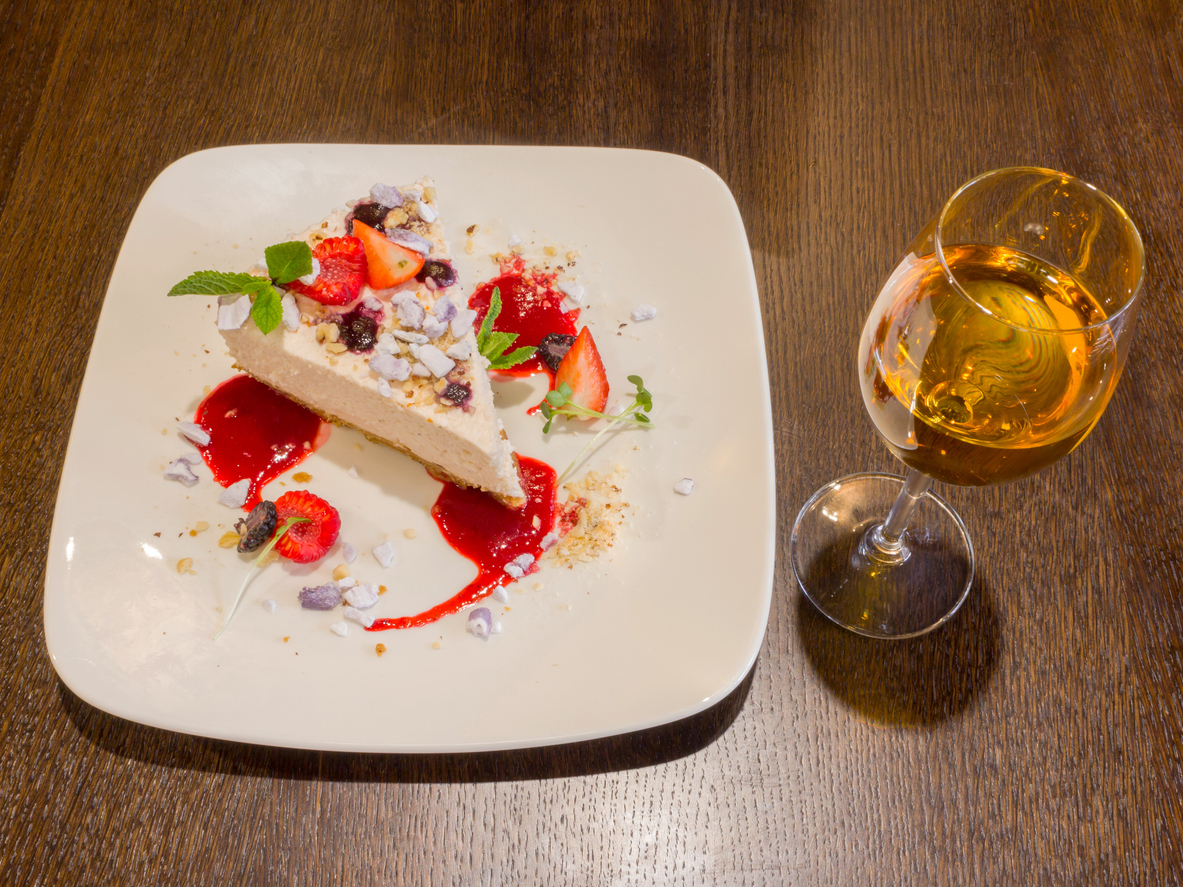
After seven weeks of reflection during the Counting of the Omer, Shavuot represents the Jewish people receiving the Ten Commandments on Mount Sinai. In the Kabbalistic interpretation, the Omer is a time for self-reflection and inner growth, and Shavuot sees us emerging from that period with new self-knowledge and a renewed commitment to learning and spirituality. There’s a tradition to eat dairy-based foods on Shavuot to symbolize the “land of milk and honey” and the nourishing quality of receiving the Torah — so think blintzes, cheesecake, kreplach and bourekas.
If the food is heavy, the wine needs to be light and sharp. For a Shavuot wine pairing, sparkling is the first, most natural choice. Koening Crémant d’Alsace ($25.99, mevushal) is a good option for a Champagne-quality sparkling beverage at a fraction of the price. In fact, it’s made in a style identical to Champagne, the méthode traditionelle that involves secondary fermentation in bottles rather than in tanks.
Crémant is made not in Champagne but nearby Alsace, however, and is typically vibrant and effervescent. This particular bottle has citrus and green apple notes, with a little bit of creaminess from autolysis, the time a wine spends on the lees, the technical term for dead yeast cells that create a bready, biscuity flavor. That little bit of creaminess makes méthode traditionélle sparkling wine an excellent accompaniment to creamy foods like blintzes.
Get The Jewish Chronicle Weekly Edition by email and never miss our top stories Free Sign Up
Laurent-Perrier, a premium Champagne producer, also happens to make its wine kosher for those who do want Champagne rather than simply sparkling wine from France. We have the Rabbinate of Marseille to thank for Laurent Perrier Brut Champagne ($99.99, non-mevushal) being a potential Shavuot menu item. This is a refined, delicate Champagne with notes of citrus and a hint of nuttiness — which, by the way, is sold in half-bottles at P’Vino (5726 Ellsworth Ave.), the boutique wine store in Shadyside, where you can also come talk to me about wine.
For a still wine, a Georgian amber wine could be a good complement, as Georgian food is heavy on dairy and bread and their wines stand up well to those flavors. There’s something about Georgian wine that feels appropriately stately and ancient for a holiday like Shavuot. Amber or “orange” wines sit on the skins during winemaking to produce their unique color and balanced flavor profile. GRW Rkatsiteli Qveri Collection Orange Wine ($18.99, non-mevushal) is a good kosher option.
If you want to serve a red, a lighter-bodied wine like Beaujolais will work well with the heavier food. The best Beajoulais come from the crus, or small geographic areas within the region with the most optimal specific conditions for growing the grape. Fleurie is a well-regarded cru that doesn’t break the bank, and a kosher Beaujolais Villages Fleurie ($24.99, non-mevushal) will work wonderfully with dairy-heavy dishes.
With cheesecake, it highly depends on the type of cheesecake you’re eating, but a dessert wine is a safe bet. The complex flavors of honey, apricot and marmalade you get in Madame De Rayne Sauternes ($72.99, non-mevushal) will be harmonious with the sweetness of cheesecake. Likewise, Tokaj Hetszolo Tokaji Aszú 6 Puttonyos ($139.99) has citrus, apricot, cantaloupe and orange peel notes that complement cheesecake’s rich sweetness.
Both sauternes and Tokaj Aszú get their sweetness from botrytis or “noble rot,” a fungus that shrivels up the grapes in climates with humid, foggy mornings and warm, sunny afternoons. The dry afternoon keeps the rot from being too detrimental to the grape and instead balances the acid and sugar levels to a point that the flavors reach complex notes like candied nut, honey, almond and apricot. In Hungarian sweet wines, “Puttonyos” refers to the amount of botrytized grapes used in the wine, with 6 being the highest percentage.
This kind of winemaking requires a delicate balance of factors from nature and laborious hand-picking, hence their higher price point. Noble rot is just one example of the level of specifically perfect conditions that have to be in place for wine to thrive. Though it might not be apparent in the bottles you see in front of you, wine growing is a testament to life’s fragility. Grapes thrive under harsh conditions, but they need the right amount of care to survive. Just as Shavuot celebrates not just survival but thriving and growth in the face of insurmountable odds, wine itself is a celebration of survival. PJC
Emma Riva is a freelance writer living in Pittsburgh.
comments