
Pittsburgh Yiddish festival celebrates language, music and memory
Events encourage recognition of rich culture and 'treasure of our heritage'
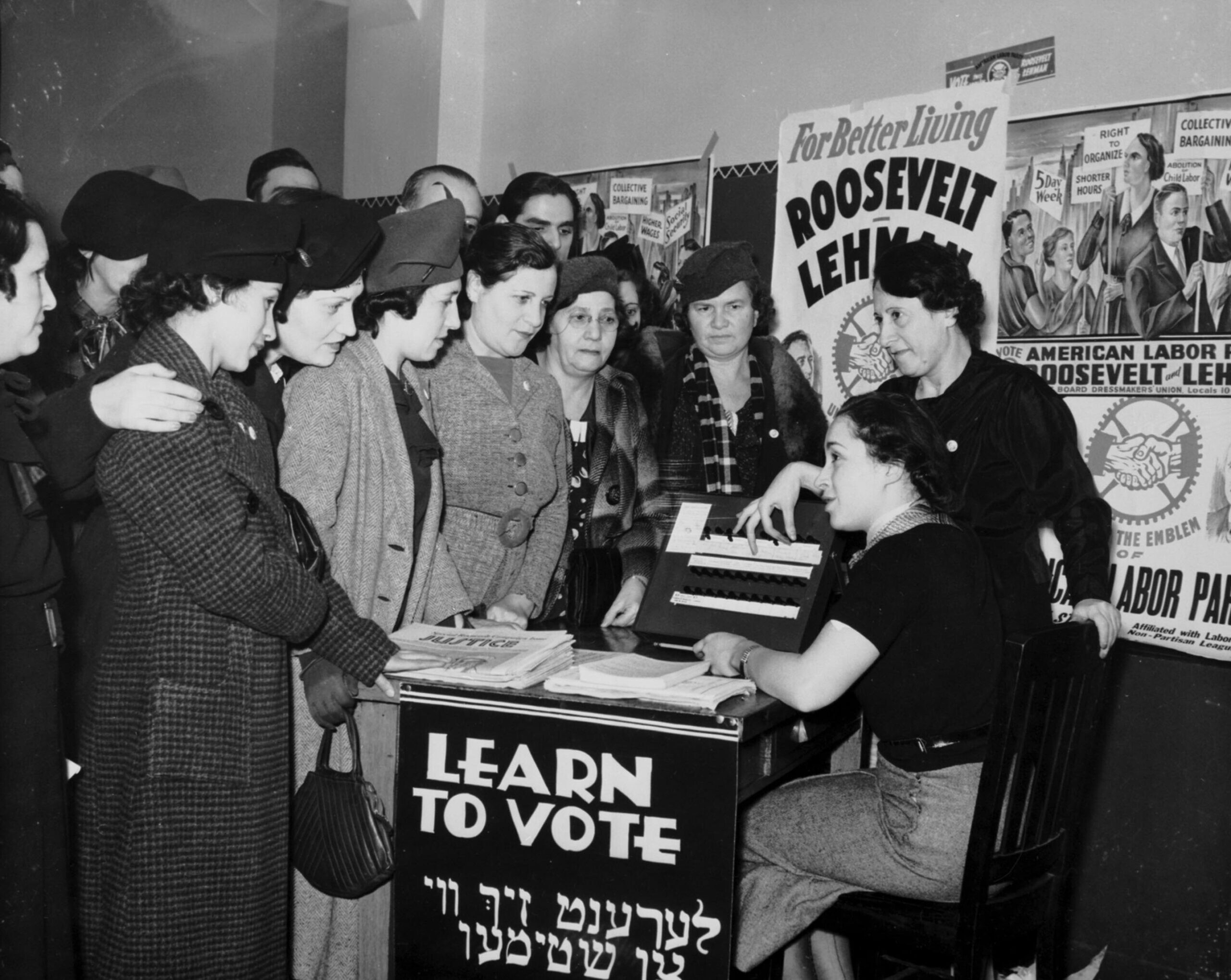
Pittsburgh is gearing up to celebrate Yiddish culture with a vibrant lineup of upcoming events. Scheduled for Nov. 13-16, the activities are part of a festival funded by a seed grant from the Yiddish Book Center, according to organizers.
The festival, which organizers are calling, “L’Chaim, Pittsburgh Celebrates Yiddish!” is being operated in collaboration with Congregation Beth Shalom and the University of Pittsburgh’s Jewish Studies program, and aims to welcome both Yiddish enthusiasts and those curious about its culture, Shadyside resident and event co-organizer Roz Becker said.
Becker, 76, pointed to multiple programs focusing on Yiddish language, music and history as offering pathways toward new insights.
On Nov. 13 at 6:30 p.m. at Beth Shalom, author and Columbia University professor Jeremy Dauber will discuss the life and writing of Yiddish titan Sholem Aleichem. Along with hearing about the legendary author and playwright from Dauber, attendees can also enjoy live klezmer music and refreshments.
On Nov. 14, at 4 p.m. at Carnegie Mellon University, Anna Shternshis will present “Our Town Is Now a Cemetery: Soviet Yiddish Amateur Songs and the Rituals of Holocaust Commemoration, 1945–1947.” Shternshis, who directs the Anne Tanenbaum Centre for Jewish Studies at the University of Toronto, will discuss post-war efforts in the Soviet Union to preserve Holocaust memory and detail a haunting song sung in 1945 by Shikl Gershberg about a July 1941 massacre by German and Romanian troops that killed 437 people in his Ukrainian town.
Throughout the festival weekend, additional learning events will include a Friday evening talk by Rauh Jewish Archives Director Eric Lidji at Rodef Shalom Congregation and music from the Unified Congregation Choir. On Saturday night, also at Rodef Shalom Congregation, a concert will feature Jeff Warschauer and Deborah Strauss, performers who have delighted audiences for more than 25 years with pieces drawing from klezmer and Yiddish culture.
Programming, according to organizers, is supported in part by Rodef
Shalom Congregation, Congregation Beth Shalom, Dor Hadash Congregation, Temple Sinai, the Berkman Family
Charitable Foundation, Brotherhoods of Rodef Shalom and Temple
Sinai, Classrooms Without Borders, Hyman Family Foundation, Jewish Community Center of Greater, University of Pittsburgh, Women of Rodef Shalom and the Yiddish Book Center.
While upcoming events may ignite fresh enthusiasm for Yiddish — a language with a history spanning more than a millennium — some Pittsburghers have already begun exploring it.
Since Sept. 7, learners at Rodef Shalom Congregation have joined Becker and Point Breeze resident Karen Brean for weekly Yiddish language study. The first student meetup drew 17 participants, with even more turned away due to limited space, Becker said.
Brean, a festival co-organizer and fellow Yiddish teacher and enthusiast, said there’s a palpable energy experienced when studying Yiddish with others in person.
Many people know about Yiddish through jokes, “but there are so many levels to it,” Brean, 71, said. The “expressive language” so often used by Yiddish poets and artists “speaks to us.”
Organizers hope Pittsburghers heed the message.
“There’s so much joy in it,” Becker said.
Before World War II, nearly 11 million people spoke Yiddish, according to YIVO Institute for Jewish Research.
Today, there are fewer than 1 million Yiddish speakers, according to Rutgers University.
The loss of Yiddish and those who employed its nuance is profound, but small efforts can spark new connections and understandings, festival organizers told the Chronicle.
“Yiddish has such a rich culture,” Becker said. “It’s a treasure of our heritage.”
Registration, tickets for the Saturday evening event and additional information are available at rodefshalom.org/yiddish. PJC
Adam Reinherz can be reached at areinherz@pittsburghjewishchronicle.org.
comments