
‘Parenting with a Plan’ delivers years of insight shaped in Pittsburgh
'My whole experience and my writing is based on this environment we have here, and I think there’s a lot that can be applied to different sides of the spectrum'
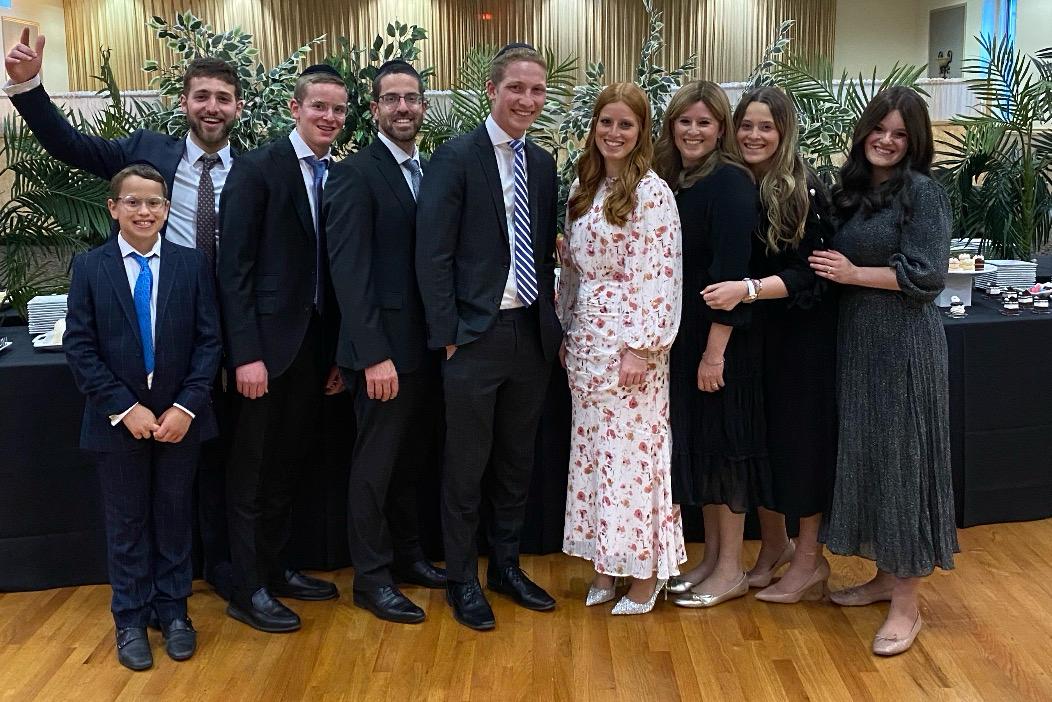
A challenge of small-town Jewish living is creating separation between one’s personal and professional lives. For therapists, the difficulty is often even greater as clinical guidelines encourage space between practitioner and client.
“It makes sense,” Rabbi Akiva Sutofsky said. For the protection of all parties, work requires establishing clear boundaries, “but when you live in a smaller community, you’re kind of forced to reckon with the fact that there are overlapping roles.”
Sutofsky, a Squirrel Hill-based therapist, school counselor at Hillel Academy of Pittsburgh, father and active community member, has negotiated those roles for more than a decade. In doing so, he’s learned that mishmashed responsibilities may actually be a boon.
“It’s not simple,” he said. “But sometimes, in small communities it’s advantageous to have overlapping roles.”
There are times, he said, when “I know a kid, and I know their family as well, I know their siblings, and it adds to the help I can give. Now if someone is not into that, that’s fine for sure, obviously, and I get that. But I think it adds a lot in a small community.”
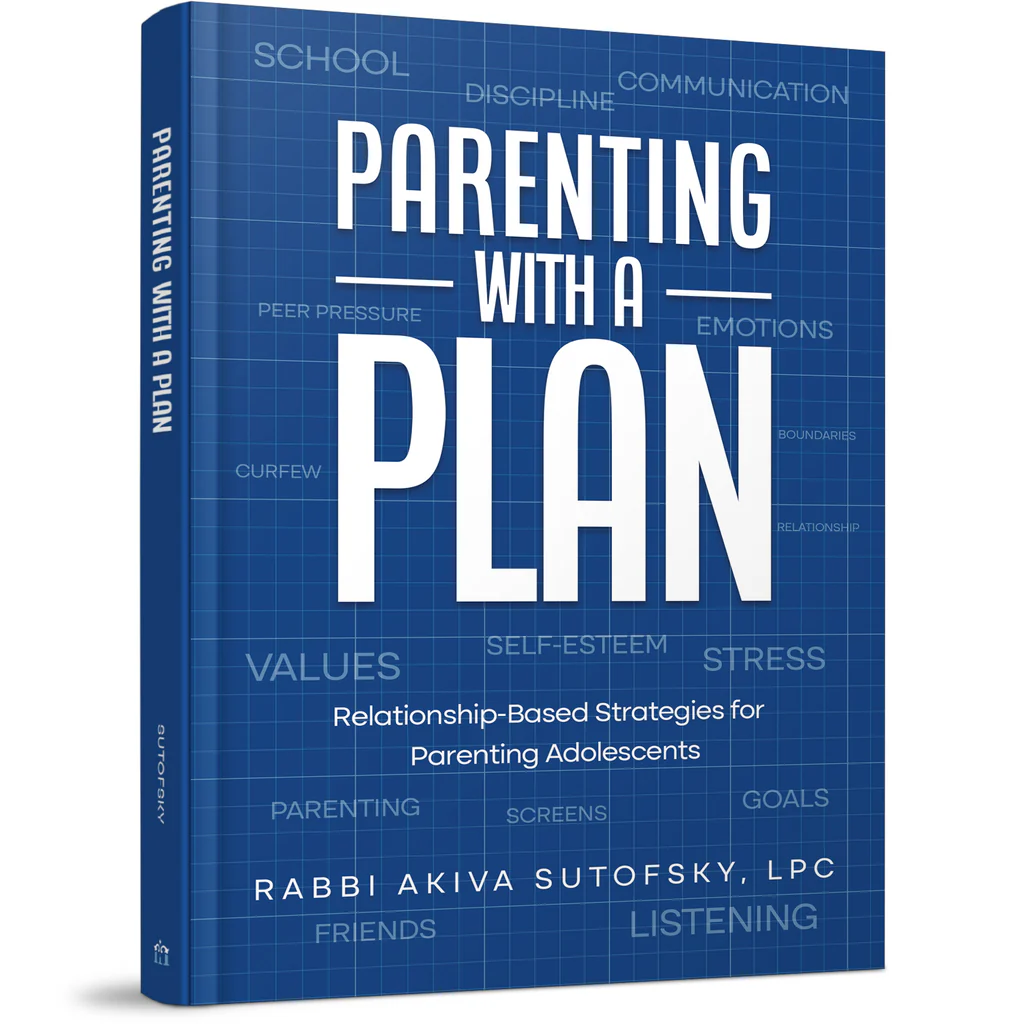
Sutofsky has spoken about his work with adolescents to groups in Pittsburgh and across the country. Days ago, those reflections appeared in print after Menucha Publications released “Parenting with a Plan.” Authored by the New York-born educator and Jewish professional, the 239-page text includes vignettes, exercises and suggestions solidified by more than 20 years of conversations with adolescents and their parents.
The material showcases Sutofsky’s several hats and represents a life forged by his surroundings, he said. “My whole experience and my writing is based on this environment we have here, and I think there’s a lot that can be applied to different sides of the spectrum.”
“Parenting with a Plan” is geared toward Jewish families, but the situations presented (what to do about friends, phones and dysfunction) and advice offered are nearly universal.
Many professionals and publications focus on young people who exhibit “extreme” behavior. What about “regular kids,” Sutofsky asked. “They’re in school, they have friends, and they also have struggles.”
Similar approaches should be taken with both types of children, he told the Chronicle. Specifically, fostering relationships with parents, and communication, “make such an impact.”
The quality of engagements depends on more than simply showing up and listening, he continued. Young people often want elders to be present, empathetic and validating. That doesn’t mean a “parent has to fix the situation — sometimes a situation isn’t fixable — but that relationship has to feel real to a kid, even if that child isn’t at-risk.”
Writing a book about parenting doesn’t mean he’s a perfect one, he said.
After the text was finished, Sutofsky said his daughter turned to him and said, “You wrote a book called ‘Parenting with a Plan.’ I want to write a book called ‘Parented without a Plan.’”
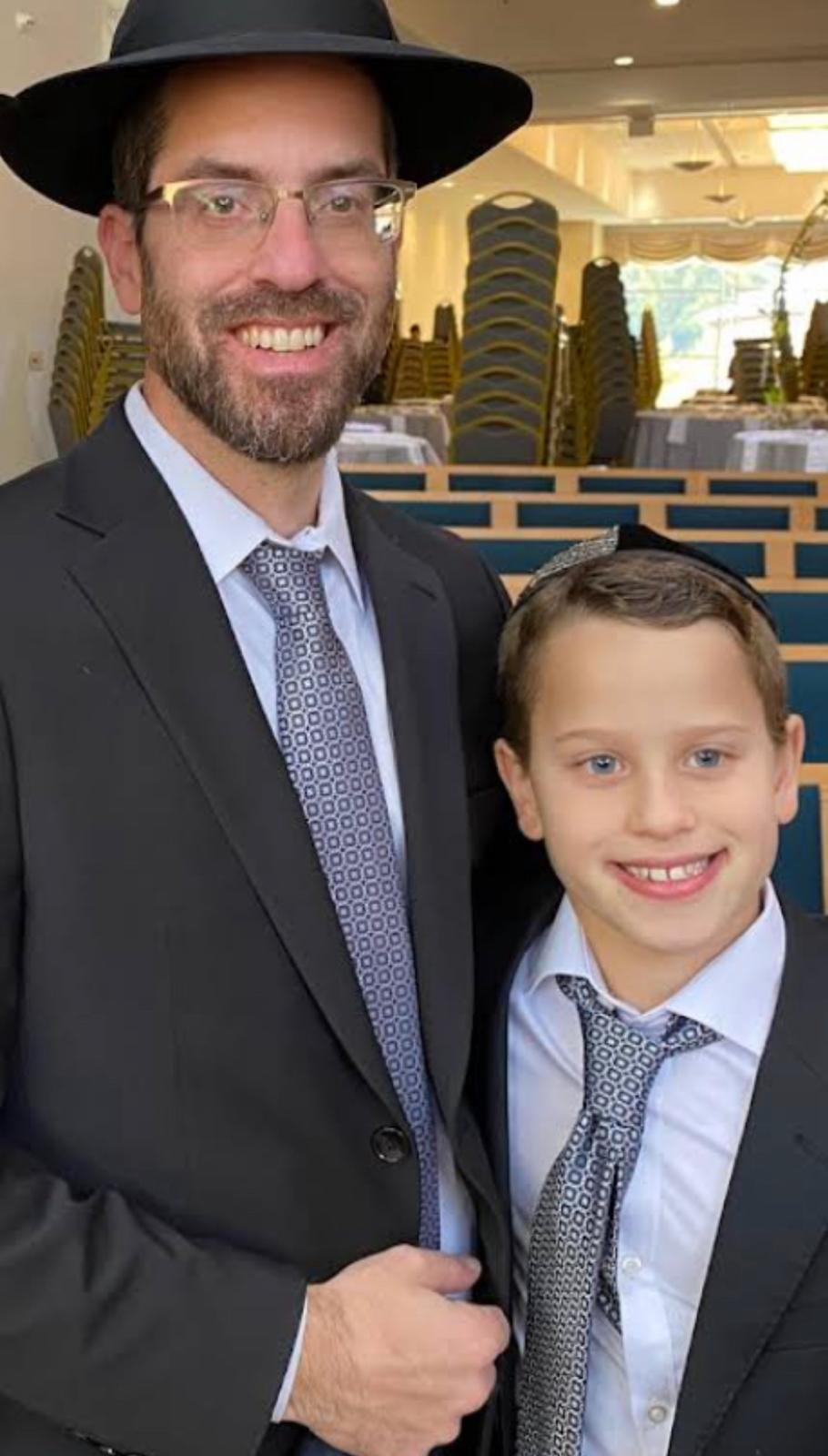
The son of educators, Sutofsky said his book offers numerous lessons, but one of the biggest is realizing the preciousness of connection.
“A lot of kids will tell me how something is hurting them or difficult for them and that they want to tell their parents, but because of how their parents may react or deal with the situation, they feel they can’t open up. They don’t feel safe,” he said. “I want parents to know that your kids want that relationship so badly. They want to be able to talk to you. They want to be able to apologize to you, they want to be able to feel safe with you. But sometimes when we deal with things in a default manner, we kind of shut that avenue down, we shut that lane down, and then it’s really hard to get that back.”
He hopes people can use this, and other sections of the book, to “improve their parenting,” he said. “That’s my mission. I’ve been blessed to do this for 20 years, and I feel like I’ve learned a lot.”
Sutofsky’s book is dedicated to the memory of his late son, Yitzy Sutofsky, a “wunderkind who gave us endless nachas in his life, and also in his heartbreakingly beautiful acceptance of Hashem’s will.”
“Parenting with a Plan” offers decades of instruction and opportunities for improvement. Writing the book was a way to “give people something they could have in their house, to look at, to read through, to give to others,” Sutofsky said. “I just want to help.” PJC
Adam Reinherz can be reached at areinherz@pittsburghjewishchronicle.org.
comments