
Yeshiva students explore Jewish women’s legacy in Israel
Insights and connections achieved by learning 'on the road, on the go and in the field'
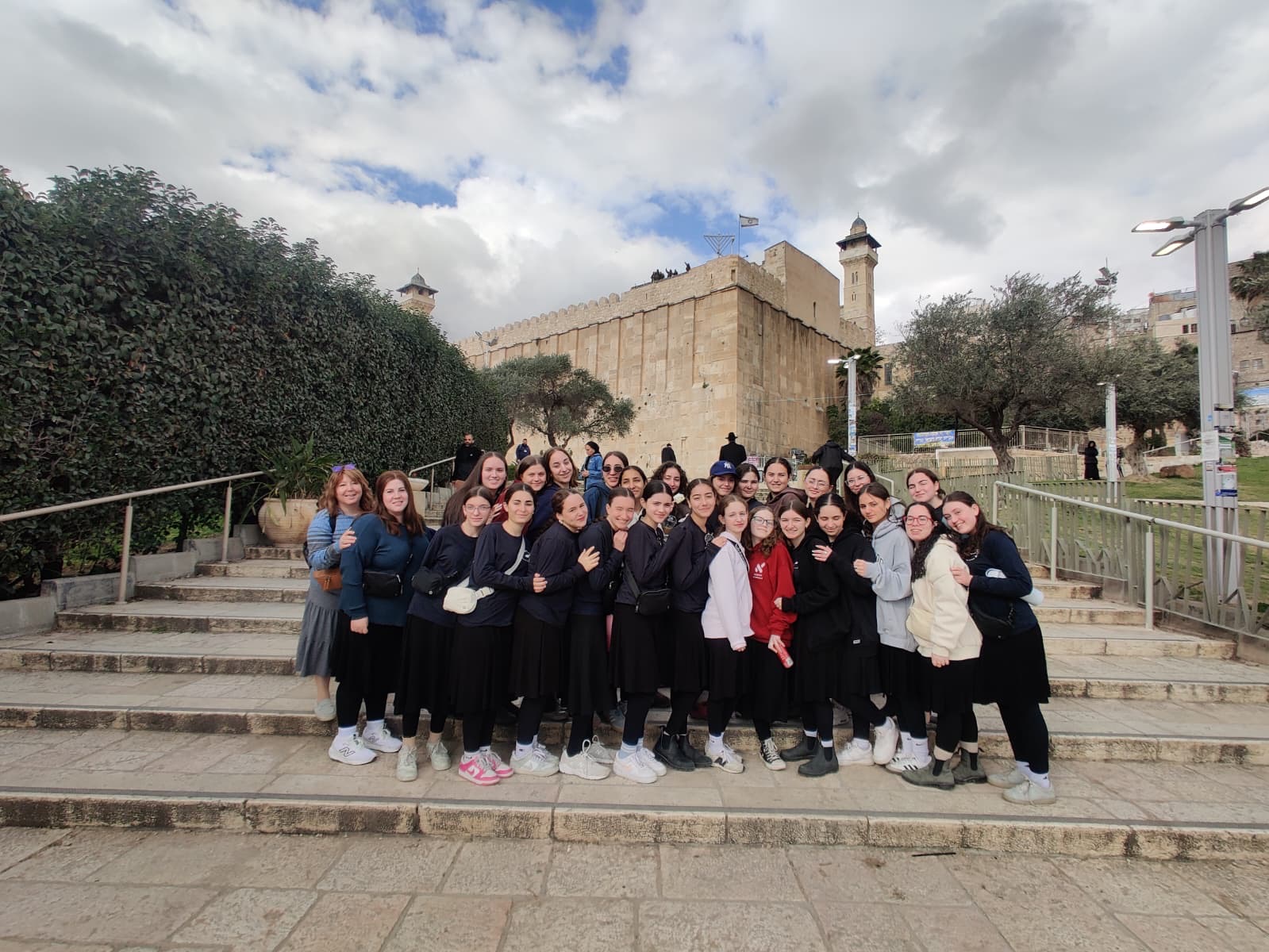
Nearly 6,000 miles from Pittsburgh, a group of Jewish high school students gained a sense of positivity and connection. Yeshiva Schools of Pittsburgh brought 26 girls to Israel for a 10-day trip designed to deepen their appreciation for Judaism, the Jewish state and the role of Jewish women. Traveling across the country, students studied texts, sang together and explored Jewish life through a carefully curated educational lens.
The impetus for the trip was a “number of factors,” said Leah-Perl Shollar, Yeshiva’s dean of 7-12 Curriculum & Instruction. “Israel is sort of the call of the hour in the sense that after Oct. 7 and the explosion of antisemitism around the world a number of things really surfaced for us.”
The Pittsburgh synagogue shooting, the pandemic, Oct. 7 and two years of war have all profoundly affected local Jewish adolescents, Shollar said.
“Our students — Jewish kids growing up in Pittsburgh — have been through a lot of really traumatic events,” she said. During repeated conversations with staff, students expressed reluctance to “feel like victims” and a desire for “positive, affirming experiences.”
Yeshiva administrators, recognizing their responsibility to nurture the next generation of Jews, knew they didn’t “want to just sit around and talk about how terrible it is right now for the Jewish people,” Shollar said. Visiting Israel generates positivity while helping answer the question of “What does it mean to be a Jewish woman?”
For months, Shollar and her colleagues culled biblical and rabbinic materials related to Rachav, Bruriah, the daughters of Zelophehad, Serach bat Asher and other legendary figures.
The Talmud calls women a “nation of their own,” Shollar said. The trip needed to reflect that sentiment and leave students feeling a sense of “walking in the footsteps of our ancestors.”
While exploring sites north of Jerusalem, educators described numerous Jewish women who battled Roman rule during the Second Temple period. In Safed, students learned about Beruriah, a Talmudic sage regarded for her interpretations and wit. During a boat ride across the Sea of Galilee, students decorated tiny tambourines — an ode to Exodus 15:20 — discussed the prophetess Miriam and reviewed materials regarding the miraculous well, named for Miriam, which was known for providing water to wandering Israelites during a 40-year span in the desert and supposedly remains hidden beneath Galilean waves.
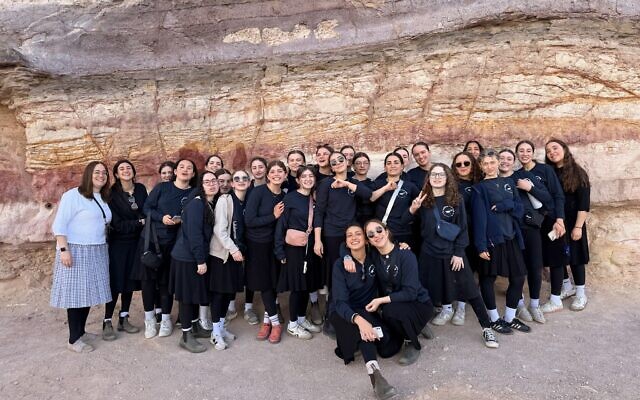
The trip, which was supported by Yeshiva, fundraising efforts, family contributions and assistance from the Jewish Federation of Greater Pittsburgh, intentionally blended textual study with lived experience, according to Dobie Thaler, principal of grades 7-12.
Students gained a unique approach to history by learning “on the road, on the go and in the field,” she said.
The biblical matriarchs — Sarah, Rebecca, Rachel and Leah — are often treated as the sole heroines of Jewish history. Readings and site visits granted wider appreciation, Yeshiva 10th grader Sarale Rosenblum explained.
Throughout the trip, students constantly carried packets with printouts. Questions related to the texts were raised in each locale, but greater academic insight wasn’t the only takeaway.
Familiar activities, such as distributing candles to strangers on Friday afternoon and celebrating Shabbat, were also meaningful experiences.
Spending Shabbat in Jerusalem’s Old City and walking together as a school to the Western Wall were amazing, Sarale, 15, said. “We were all united.”
Being in Israel as a school, learning about different Jewish women and “connecting, brought a lot of things to life,” Yeshiva 11th grader Leah Friedman said.
Although students enjoyed an academically curated experience, there’s no reason others can’t achieve similarly empowering outcomes, she explained.
“Knowing about your history and your roots matters,” Leah, 16, said. Without this understanding it’s difficult to “take things that past women have done and make it real.”
Now back in Pittsburgh, Yeshiva administrators wish to continue mining the school trip for meaning.
“We’re still unpacking all of it,” but one idea is to assemble photos, video, writings and art produced by students and share it with the wider community, Shollar said.
The ideas communicated through this exercise would make clear that many adolescents never venture terribly far from Pittsburgh and that an inundation of “negativity in the news” creates an effect, Thaler said. Yeshiva recognized that “we needed to change that experience.” Educators understand that “everyone has their own experience with Judaism, God and the land. Some people get stuck in their experience, and that shapes who they are.”
Taking students out of the classroom and bringing young adults to Israel enabled them to “open their eyes,” she continued. “We saw them find their connection. We know it’s there. That was our agenda for our girls, and we’re passing that along to the rest of our community — everyone can and should go out and explore and find that connection.” PJC
Adam Reinherz can be reached at areinherz@pittsburghjewishchronicle.org.
comments