
With Rosh Hashanah nearly here, rabbis tell Pittsburghers to be thoughtful, pray and make peace
Spiritual advisers share sentiments as High Holiday season arrives
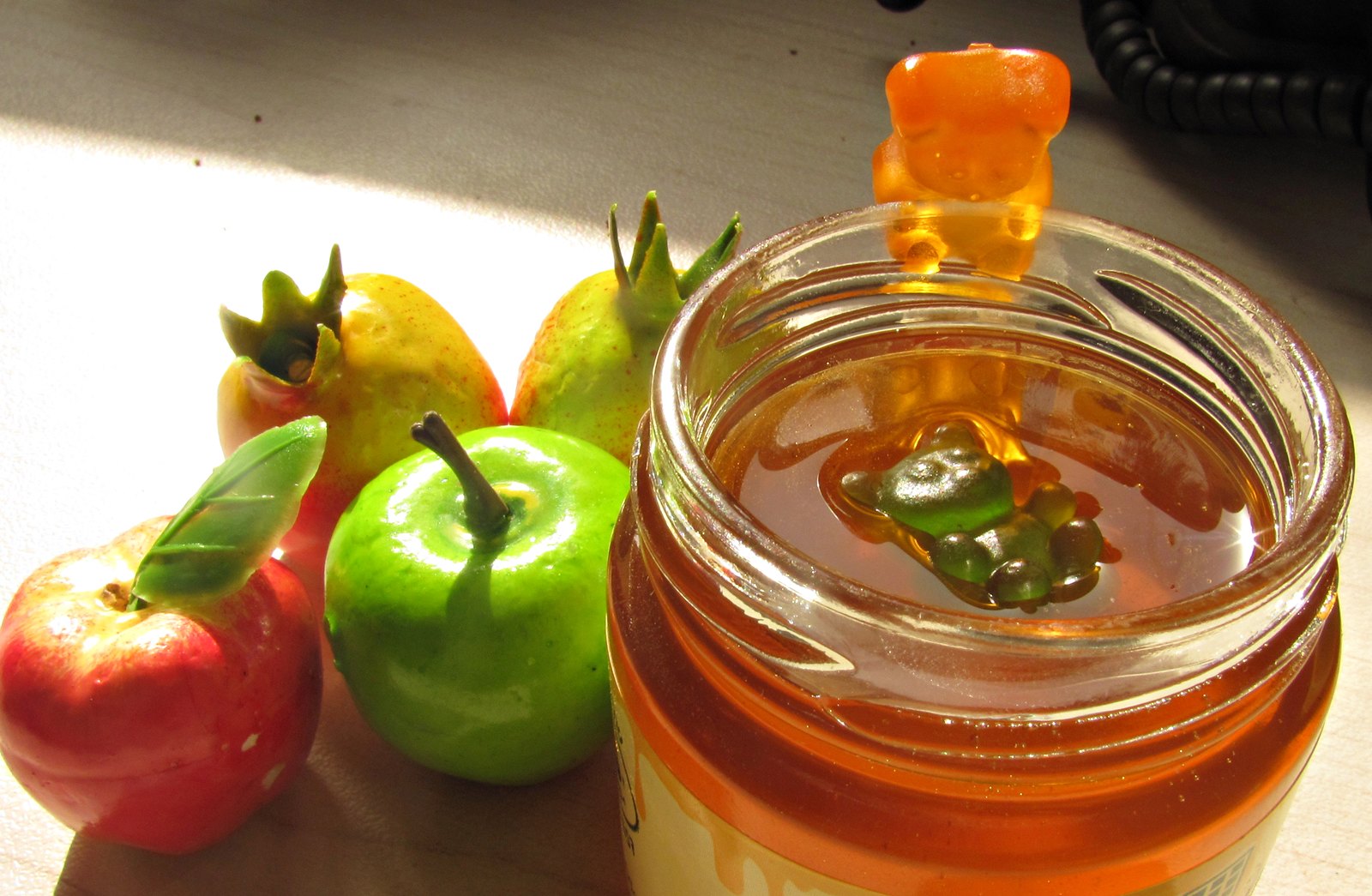
With mere days until Rosh Hashanah, briskets, apples, honey and challah remain top of mind for many. For rabbis, though, it’s speeches. Tis the season of sermons, and whether the traditional holiday remarks will be delivered from a pulpit or in a newsletter, spiritual leaders have a lot to say.
Congregation Beth Shalom’s Rabbi Seth Adelson said his address will concern “holiness in time.”
With artificial intelligence creeping into all aspects of life, “we are on the cusp of a paradigm shift in our relationship to time,” he said. “What will the world look like when we may never be compelled to think for ourselves? How will we reapportion human time when all of that synthetic thinking is going on 24/7?”
The answer, Adelson said, is prescribed by faith. “Judaism wants us to slow down, to take time for holy activities, things which machines will likely never understand.”
His hope is that “as the world moves faster, we must retain the time-centered nature of our tradition,” which Adelson described as, “regular daily prayer at appointed times, holidays demarcated by time, and of course time spent learning and thinking about our textual tradition and how it will continue to shape our lives.”
Temple Emanuel of South Hills’ Rabbi Aaron Meyer also senses growing unease with the fast pace of life.
“Social change — that many people perceive as threatening — is currently happening at a dizzying pace, and a sense of despair feels rampant right now,” he said. “Fortunately, Jewish tradition, and religion in general, gives us an ideal or a blueprint — an overlay in the writings of Joseph Soloveitchik — that we can continue to work toward so that we don’t lose our way when everything feels like we’re drinking out of a fire hose.”
Meyer surmised why days feel frantic.
“I worry that we in the American Jewish community are suffering from a curiosity deficit,” he said. “In the writings of George Lowenstein, a Carnegie Mellon University professor, when we only know a little bit, we tend to focus on that which we know. When we know a lot, our focus shifts to learning more and focusing on that which we don’t yet know.”
“We need to be asking more questions,” Meyer continued. “I think we need to be leading with curiosity instead of our own opinions, because division is tearing us apart.”
“There’s a lot happening that is distressing that we don’t have control over,” Dor Hadash’s Rabbi Amy Bardack told the Chronicle.
She pointed to the Israel-Gaza conflict, Ukraine-Russia war and “rapid changes in our federal government,” and said the High Holidays acknowledge that lack of control — through the Unetaneh Tokef prayer — yet also deliver a “recipe.” Teshuva, tefillah and tzedakah (repentance, prayer and charity), she continued, are practices that will “help you endure terrible decrees.”
Undertaking personal change makes a difference, Bardack said. “We actually can’t control what other people think. We can control, however, the self we present, the self we manage.”
Rabbi Avromi Teitelbaum, educational director at the Kollel Jewish Learning Center, said he’s approaching the season deliberately.
Instead of entering the High Holidays and “thinking of them as a chore, or prayers and fasts,” Teitelbaum wants to see them as “an opportunity to connect.”
He draws support from memories of his teachers.
“I think back to my own rabbis, and how I saw them behave during the High Holidays, their tears and their passion,” he said.
Temple Sinai’s Rabbi Daniel Fellman is also trying to bridge past and present this High Holiday season.
With Rodef Shalom Congregation and Temple Sinai joining as a unified congregation on the first night of Rosh Hashanah, Fellman is leaning into both the start of the holiday and a new chapter in local congregational life.
“The initial piece for me is the beginning — the beginning of continuing the dreaming and imagining of this new community, and what this is going to look like writ large,” he said.
Congregational unity is not only powerful and beautiful, it’s a source of strength “in a time of difficulty,” Fellman continued. The world keeps changing at a “breathless pace,” and the time has come to “acknowledge that we’re not alone in this, that we’ve got others with us, and that we can do this together.”
Rabbi Hindy Finman, senior director of Jewish life at the Jewish Community Center of Greater Pittsburgh, said her sentiments have shifted since last year.
While she spent the last High Holiday season telling people to hold out hope, this year, she said, “forget about hope.”
“I know that sounds really doom and gloom, but for me, it’s really about community and forgiveness,” she said. “We can be hopeless, but we got to be hopeless together, and we got to forgive each other.”
Strife easily drives friends, colleagues and families apart. The High Holidays are about thwarting discord, she explained. “What’s the point of being a Jewish community if we can’t figure out how to forgive each other?”
Chabad of Squirrel Hill’s Rabbi Yisroel Altein said there’s a message in Rosh Hashanah’s start.
It’s rare for the holiday to begin on a Monday evening, with its first full day on Tuesday. The lesson, he explained, is related to the day’s significance.
In its telling of creation, the Torah describes Tuesday as the day that God twice saw what was created and said, “It was good.” Tuesday is also the third day of the week. The number 3, Altein said, “represents the idea of peace.” Whereas the number 1 is singular, and 2 marks opposition, 3 signifies the ability to “make peace between them.”
Most everyone recognizes “we’re in troubled times,” he said. “We need to ask ourselves what we can do to make it a good year. Obviously, we want to pray to God that God makes it a good year. But what can we do to make it a good year, good for ourselves — for the people around us and around the world — but also good between us and God? A good focus for this year is to see what we can do to really make good, and peace, around all of us.” PJC
Adam Reinherz can be reached at areinherz@pittsburghjewishchronicle.org.
comments