
When Gloria Steinem identified as a Jew most
‘Never in my life have I identified as a Christian,’ she said, ‘but wherever there is antisemitism, I identify as a Jew’
This story was originally published in the Forward. Click here to get the Forward’s free email newsletters delivered to your inbox.
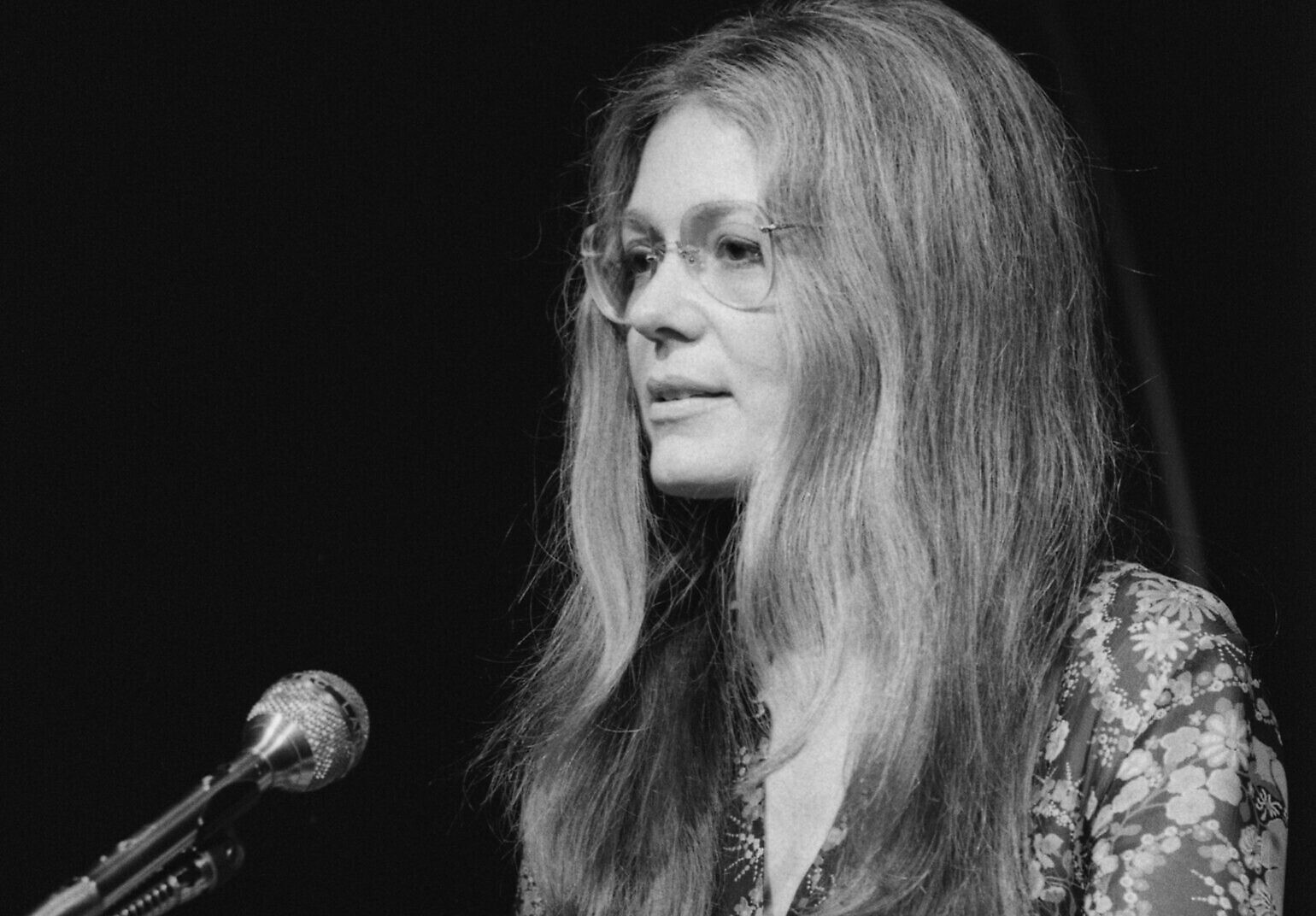
Gloria Steinem, the journalist and organizer who became the most recognizable face of America’s modern women’s movement, died Wednesday at her New York City home. She was 92.
For more than half a century, Steinem pushed American women to imagine lives beyond the limits society had set for them. She co-founded Ms. magazine, helped establish the National Women’s Political Caucus and turned phrases like “sexual harassment” from unnamed experiences into subjects of national debate.
Steinem was the daughter of a Jewish father, Leo Steinem, and a Protestant mother, Ruth Nuneviller. She was raised without much religion and generally described herself as secular, but she was unequivocal about where she stood when Jews were targeted: “Never in my life have I identified as a Christian,” she said, “but wherever there is antisemitism, I identify as a Jew.”
Her mother taught her to value her Jewish roots. Steinem told the Forward in 2015 that her father rarely discussed his heritage; it was her non-Jewish mother who presented Judaism to her as something positive — “She also told me Jewish men made better husbands” — and taught her about her paternal grandmother.
That grandmother was a feminist pioneer in her own right. Pauline Steinem, who kept kosher, was an educator, suffragist, delegate to the 1908 International Council of Women and the first woman elected to Toledo’s school board — and during the Nazi’s rise in the mid-1930s, she worked to rescue members of her family from Europe.
A feminist Seder became her strongest connection to Jewish ritual. Steinem participated for decades in an annual women’s Seder, calling it the first spiritually centered experience of her feminist life. What drew her to Judaism, she said, wasn’t the law — it was “the mystical part, the Kabbalah, the Shechinah.
She recognized how antisemitism and misogyny fed each other. In her memoir, Steinem recalled a cabdriver telling her that feminism was a Jewish plot to destroy the Christian family. Her response to such hatred was not to distance herself from Jews, but to identify with them more strongly.
That identification outlasted her. Gloria and her sister, Susanne, donated a catalog of jewelry seized from Nazi victims to the U.S. Holocaust Memorial Museum — in honor of their grandmother.
Steinem continued writing and advocating for equality into her 90s. Her final book, An Unexpected Life, is scheduled to publish later this month.
This story was originally published on the Forward.
comments