
Makom Natan honors life of Jonathan Bahm through giving and connecting
'We wanted to make sure that the goodness that he would have put out there, who he was as a person, lives on'
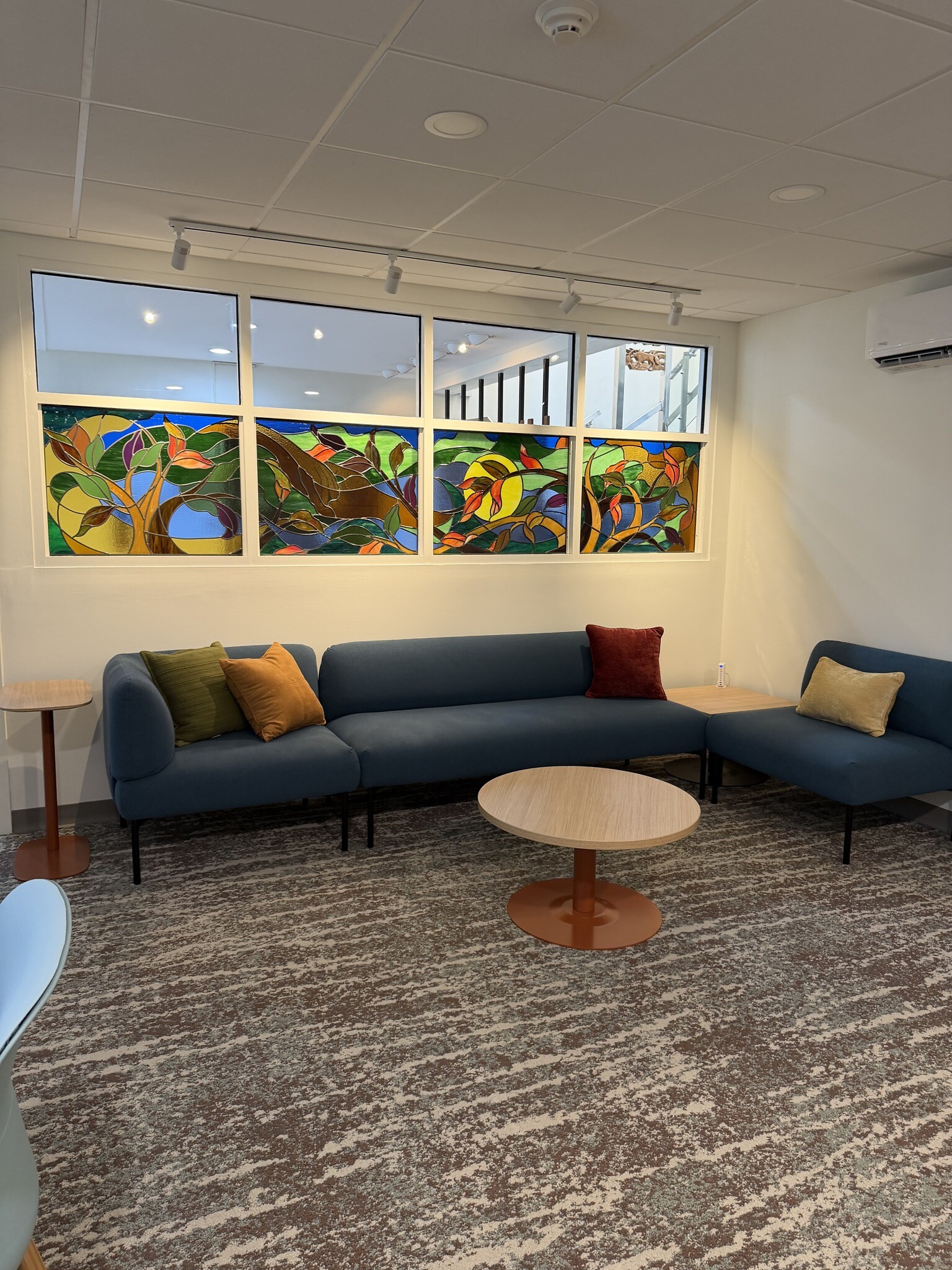
A room to connect, and calm, and play is now complete. Situated inside Temple Emanuel of South Hills, Makom Natan has quietly welcomed visitors of all ages since opening June 21.
Constructed and named in memory of Jonathan Bahm, a former madrich at Temple Emanuel, the room represents who he was and what he accomplished, his mother Amy Bahm, told the Chronicle.
“We always knew that he was sweet and kind, but we just never realized the extent to which people’s relationships existed because of him,” she said.
After attending preschool and religious school at Temple Emanuel, Jonathan Bahm became a bar mitzvah at the South Hills synagogue. Later, as a teen, he taught younger students in the same rooms where he once studied. That care for others never ceased, as — even as a young man — he brought high school peers or newfound friends together, his mother said. “He would always make sure that he was connecting with people in any aspect of his life: at school, at Temple, just anywhere he was.”
The Mt. Lebanon High School graduate died in 2022 at age 23 from an act of violence. In the aftermath, his family created a space at Emma Kaufmann Camp and called it “Ha Etz Natan,” which means “The Tree Gives.”
With assistance from Rabbi Aaron Meyer and other Temple Emanuel leaders, his family perpetuated Jonathan Bahm’s memory and continued that trope inside the suburban building by renovating an unused space and establishing an area to meet congregants’ and visitors’ needs.
The room, according to Sarah Mangan, Temple Emanuel’s program and communications director, was formerly a gift shop.
“It’s in a central location,” she said, “and we’re really excited that the space is going to be used again.”
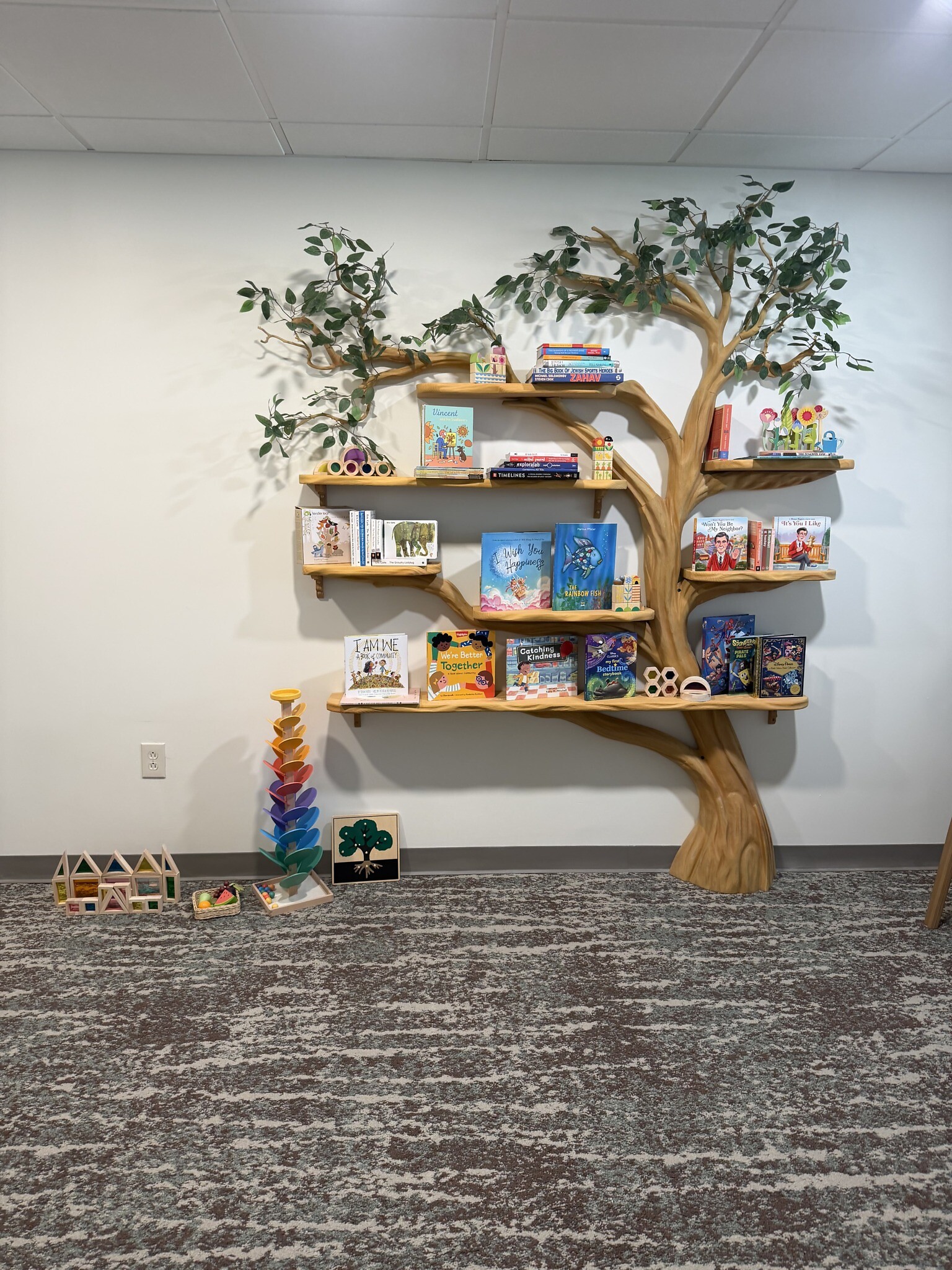
Complete with a television to live stream services, toys and books for children, tables for adults to work at, and even a Keurig machine, Makom Natan was intentionally designed to be “an intergenerational family space,” Mangan said. “It’s very open for lots of different purposes.”
Meyer praised the centrally-located room and said, “Parents with young children can stop to read a book, adults can pause for quiet reflection before a service, everyone can make a new friend in the safety of values-aligned community.”
The project was conceived of and carried forward by various parties, Amy Bahm explained.
Before construction began — when the room was a gift shop — “it was very dark,” she said. “There wasn’t light in there. It was kind of small. It was stuffy. It didn’t feel right.”
Jonathan Bahm loved color, art and vibrancy, she continued. “He was working towards a career in game design. He wanted to be a teacher eventually.”
Thanks to countless individuals, the room was transformed; in so doing, Jonathan Bahm’s story and commitment to others is clear, his mother said.
She pointed to a series of continuously lit stained glass windows. Designed by Florida-based artists, the four windows depict trees — a motif tying together Jonathan Bahm’s passions: family, Emma Kaufmann Camp and Temple Emanuel.
“When we created the space at Emma Kaufmann Camp — ‘Ha Etz Natan,’ which is ‘The Tree Gives’ — we wanted to keep that concept of giving,” she said.
Referencing a beautiful explanatory plaque hanging in the room, Amy Bahm told the Chronicle “Makom” means both “place” and is a name for God; “Makom” is a reminder that “sacred presence is found in the communities we build and the care we show one another.”
“Natan,” which is part of Jonathan Bahm’s Hebrew name, she continued, “is a palindrome” and reflects the “enduring connection between giving and receiving.” Jonathan Bahm spent his “formative years” at Temple Emanuel. “It’s a place that truly gave to Jonathan, and we wanted it to give to others.”
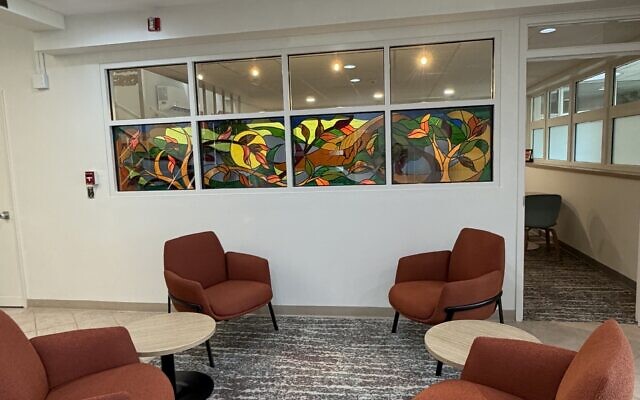
Inside Temple Emanuel of South Hills, Makom Natan quietly encourages connection and giving. (Photo courtesy of Amy Bahm)Makom Natan, which includes a tree-shaped bookshelf, has a future-focused quality. As the Talmud teaches, those who plant a tree do so with an intent to deliver fruit for subsequent generations.
“That is the whole basis for why we do anything,” Amy Bahm said. “We wanted to make sure that the goodness that he would have put out there, who he was as a person, lives on.”
Throughout Jonathan Bahm’s life, he remained committed to “connection and goodness.”
Makom Natan follows those ideals and allows people of all ages to be productive, creative, pause and form relationships.
Jonathan Bahm was able to do that inside Temple Emanuel, his mother said. “Hopefully others will have that same experience because this space exists.” PJC
Adam Reinherz can be reached at areinherz@pittsburghjewishchronicle.org.
comments