
‘We are all Jews here’: A shiva call in Jerusalem
We are, in effect, one nation to which geography or other distances or obstacles are no bar.
The usual plans were in place for a recent trip of mine to Israel: air travel, hotel, itinerary, gatherings with friends and family. Less than a week in, something else would unexpectedly enter the mix: making a shiva call.
It would prove to be a powerful moment.
While in Jerusalem, I had planned to meet a longtime acquaintance to catch up on common interests and to share in recent events. In the midst of figuring out the “when” and the “where,” he made a very sobering request. Would I join him in paying respect to a family whose oldest son and sibling had just passed? Not just anyone, but a member of the Golani Brigades’ 13th Battalion. A member of the IDF’s premier infantry regiment. A soldier whose life ended at age 25.
I didn’t know William Shakin, a lone soldier who hailed from Great Neck, New York. I didn’t know his family. I didn’t know anyone in his unit. Moreover, my friend had no connection with the deceased or his family. At first blush, we were both complete unknowns to the family and vice versa.
Get The Jewish Chronicle Weekly Edition by email and never miss our top stories Free Sign Up
Why then join others as a source of comfort to total strangers?
When first reading my friend’s email asking me to join the shiva, I hesitated. Anecdotally and from firsthand exposure, my sense is that one’s death and its aftermath produce a duality. On the one hand, eyebrows are raised when someone with whom contact is limited or nonexistent nonetheless reaches out, whether it be in person or by extending a personal note. Equally surprising is finding others who might be deemed close or dear and yet never extend a consoling word or warm hug.
In a land far from home and facing the prospect of being in the midst of others whose lives have been recently devastated, I wasn’t sure what to say, how to convey empathy, let alone how to be in this moment. What if I froze? How could my presence communicate derech eretz (proper behavior, respect of others)? Within the hour of learning of this addition to the “itinerary,” I set aside the thought that this was about me. Others were suffering, and most assuredly it was solely about them.
When arriving, we found about a dozen others with the Shakin family. Fluent in English, they were seated in low chairs against a wall to receive visitors and to discuss their son and brother. He was affectionately known as Will. We listened to fellow Golanis who trained with him and served alongside him. He was a masterful gunner, capable of turning a 25-pound machine gun into a sniper weapon complete with scope. Pursuit of a graduate degree in social work from Yeshiva University abruptly yielded to his desire to defend the state of Israel in the aftermath of Oct. 7.
My friend and I listened as others regaled Will’s short life. Eventually, the family asked about our connection to him. I said that we had never met or conversed. Our paths never crossed. A perplexed look emerged, leading one to ask why we appeared. My only response was that we are all Jews here. And among this gathering of us, these latest events compelled not just an appearance but also an effort to share in the worst that an individual could endure.
I could not have rehearsed that line if I tried: We are, in effect, one nation to which geography or other distances or obstacles are no bar. It’s harrowing that such a brave soul was cut down so early in life. And yet my experience that evening gave me a front-row seat to the tightly-knit fabric of the Israeli community. It’s not just a city, a region, or a sector. It is an interconnected, fiercely supportive dynamic that will quickly band together when unfathomable, unspeakable events envelop one of its own.
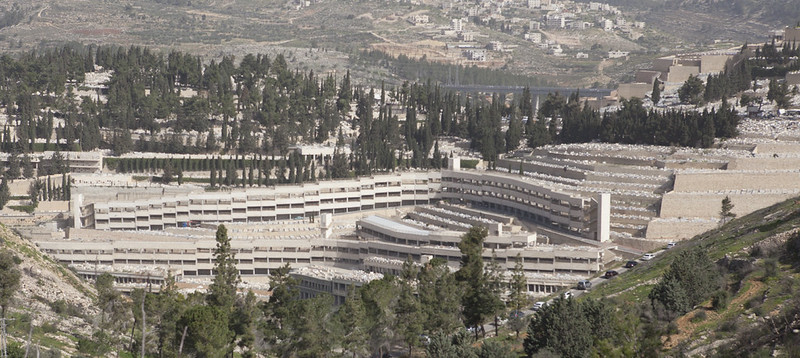
I will never get a chance to meet William “Will” Shakin. I did encounter looks of utter despair one day after his parents and brother and sister buried him at Har Hamenuchot in Jerusalem. Amidst this searing pain, I shed a tear that night in honoring the life of a man cut down in the service of others. He was a fellow Jew, whose name I will not soon forget. It is reason enough to help comfort those he left behind. PJC
Mark A. Sindler and his family reside in Squirrel Hill.
comments