
The power of connection: Why friendships matter more than ever as we age
One of the greatest myths about aging is that making new friends becomes impossible.
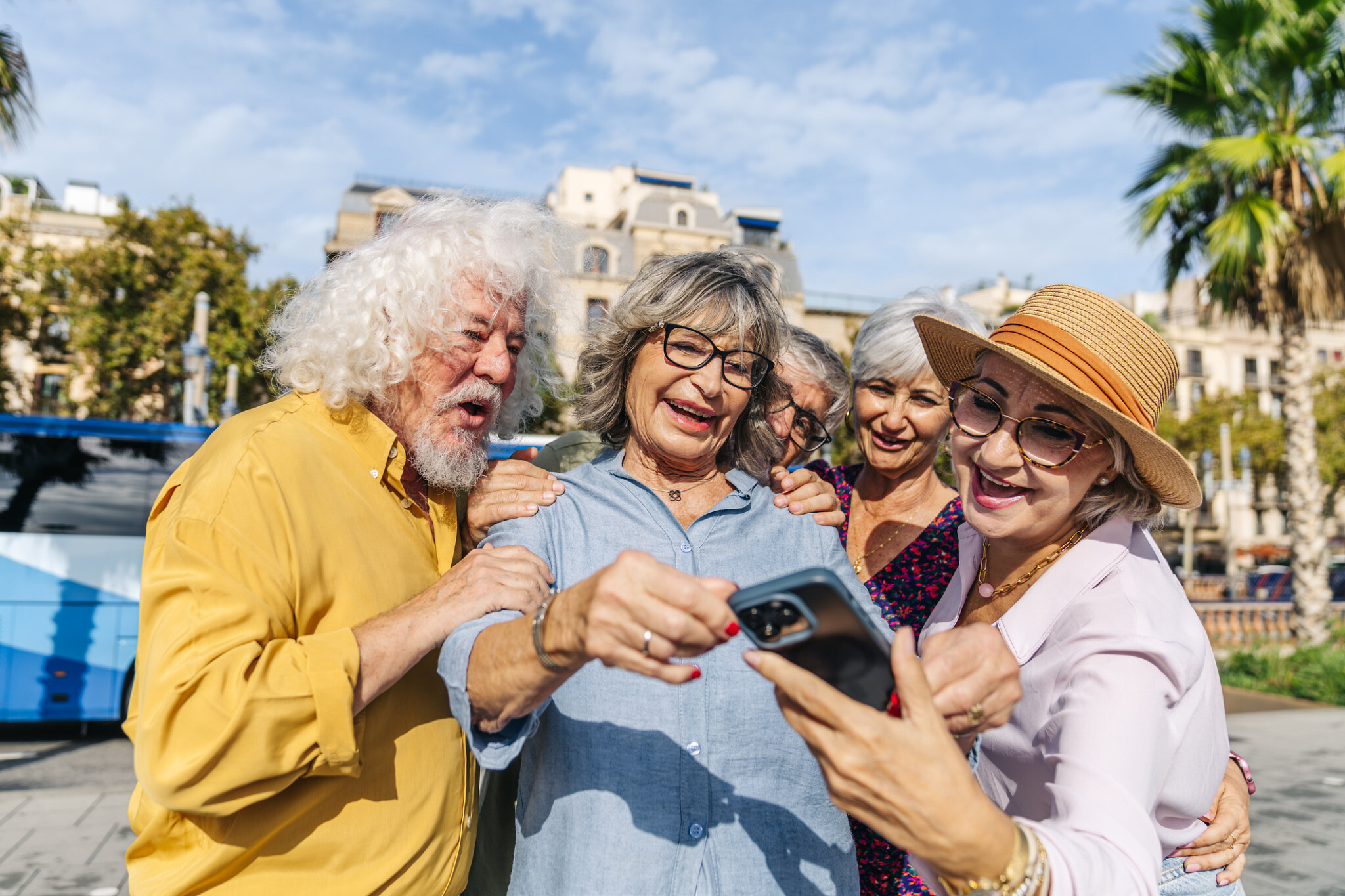
Retirement is often imagined as a season of freedom, a time to travel, enjoy hobbies and spend more time with family. For many older adults, it can be exactly that. But retirement also brings significant life changes that are easy to overlook. The daily conversations with coworkers disappear. Children and grandchildren may live hours away. Friends move, develop health concerns, or pass away. Little by little, social circles can shrink.
Loneliness rarely arrives all at once. More often, it develops gradually, until days pass without a meaningful conversation or a reason to leave the house. While many people think of loneliness as simply an emotional experience, research tells us something much more important: social connection is a vital part of our health.
The U.S. Centers for Disease Control and Prevention reports that social isolation significantly increases the risk of premature death. It is also linked to higher rates of heart disease, stroke, depression, anxiety and cognitive decline. In 2023, the U.S. Surgeon General’s Advisory on the Healing Effects of Social Connection found that lacking social connection increases the risk of premature death by more than 60%, a health risk comparable to smoking up to 15 cigarettes each day.
Those statistics are striking, but they also offer hope. Unlike many health risks, loneliness is something communities, families and individuals can actively address.
One of the greatest myths about aging is that making new friends becomes impossible. In reality, older adulthood can be an ideal time to build meaningful relationships. People often have more flexibility, new interests to explore, and a greater appreciation for genuine connection than they did during the busy years of raising families and building careers.
The hardest part is often taking the first step.
Walking into a new class, club, or volunteer opportunity can feel intimidating at any age. Many older adults worry that everyone else already knows each other or that they are “too old” to start something new. The truth is that many people in those rooms are hoping to meet someone, too. A simple conversation before a class or over a cup of coffee can become the beginning of a lasting friendship.
Joining a walking group, book club, art class, volunteer project, faith community, discussion group, or neighborhood organization does far more than fill time on the calendar. These activities create routine, provide purpose, and offer opportunities to laugh, learn and share experiences with others. Over time, familiar faces become friends, and friends become an important support system through life’s inevitable ups and downs.
Lifelong learning is another powerful antidote to isolation. Whether someone is learning to paint, studying local history, taking a technology class, exploring genealogy, or attending a lecture simply out of curiosity, learning keeps both the mind and the social network active. It creates opportunities to meet people with shared interests while building confidence and maintaining cognitive health.
Research has consistently shown that keeping our brains engaged throughout life supports memory, problem-solving, and overall well-being. Just as importantly, learning gives us something to anticipate. Having somewhere to go, people to see and something new to discover brings purpose to each week.
Social connection matters regardless of where someone lives. Adults aging in their own homes may find it increasingly difficult to stay connected as driving becomes harder or health concerns limit mobility. Those living in assisted living communities have opportunities to be around others every day, but meaningful relationships still require participation and engagement. Even in skilled nursing communities, regular visits, shared meals, music, games, and simple conversations help residents feel seen and valued.
Technology has also become an important bridge for staying connected. Video calls, text messages, email and online discussion groups allow families and friends to remain part of one another’s daily lives, even across great distances. Many older adults have embraced smartphones and tablets, proving that it is never too late to learn new skills. While technology cannot replace face-to-face interaction, it can strengthen relationships between visits and help reduce feelings of isolation.
Families have an important role to play as well. A weekly phone call, an invitation to dinner, attending a grandchild’s sporting event together, or simply spending time listening without distraction can have a profound impact. Sometimes the most meaningful gift we can offer is our presence. Feeling heard and included reminds people that they continue to matter.
Strong social connections benefit physical health, too. Friends encourage one another to stay active, attend medical appointments, try new experiences and maintain healthy routines. They celebrate milestones, offer support during difficult times and provide motivation when life feels challenging. These relationships build resilience in ways medicine alone cannot.
As communities continue to focus on healthy aging, creating opportunities for connection should be viewed as an investment in public health. Welcoming gathering places, volunteer opportunities, educational programs, neighborhood events and intergenerational activities all help strengthen the social fabric that allows people to thrive throughout life.
Growing older does not diminish our need for friendship; it often makes it even more important. It is never too late to meet someone new, learn a new skill, or become part of a community. Every conversation, every shared experience and every new friendship remind us of something essential: we all want to belong. And sometimes, the simple act of showing up is the first step toward a healthier, happier and more connected life.
Amy Gold, MSW, is the CheckMates coordinator and an information and referral specialist with AgeWell at the JCC. She has served the Jewish Community Center for 22 years, including nearly two decades working with older adults to reduce social isolation, connect individuals with community resources and support healthy aging. Amy holds a Master of Social Work from The Ohio State University and is passionate about helping older adults remain connected, engaged and supported in their communities.
comments