
The importance of defining antisemitism
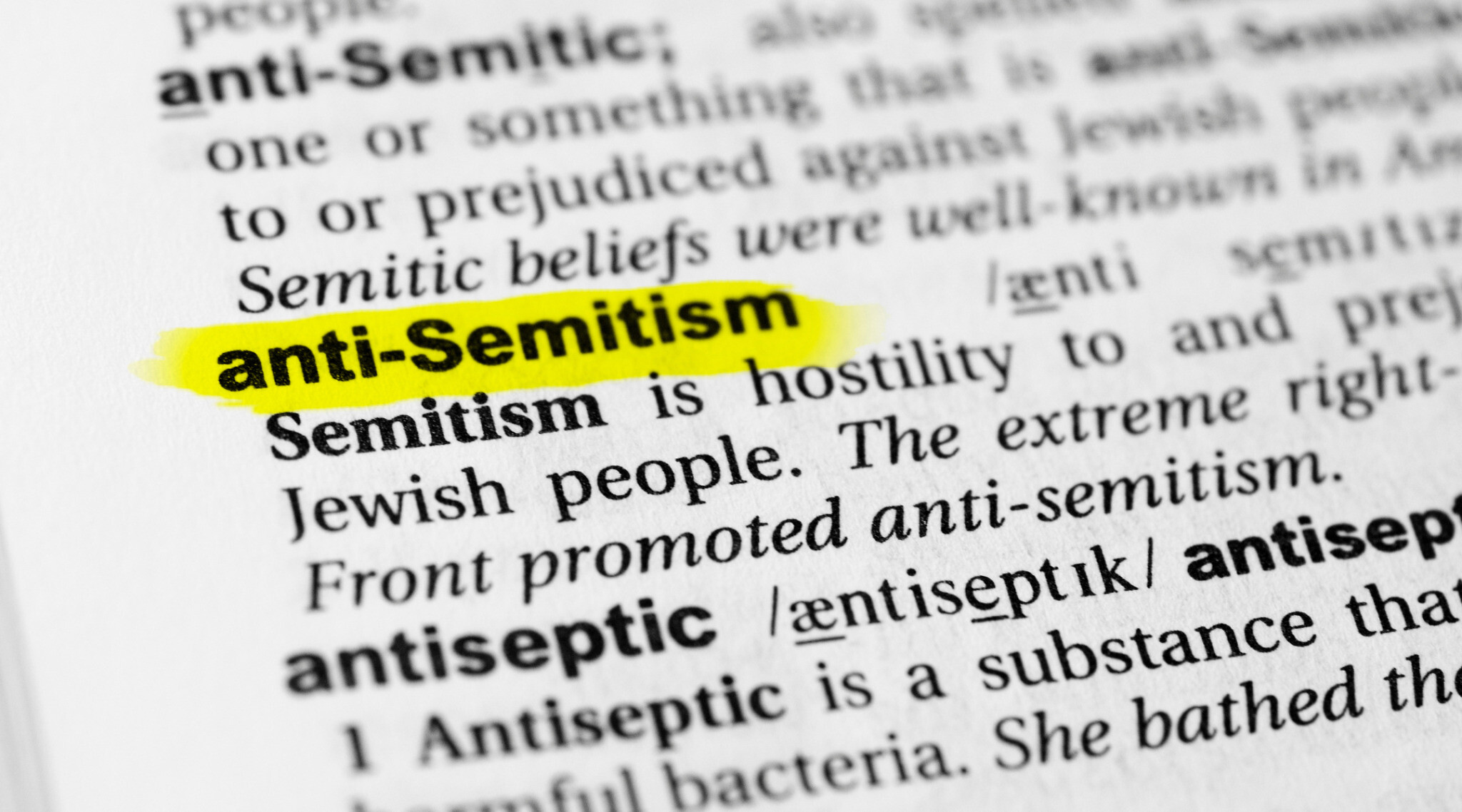
The International Holocaust Remembrance Alliance (IHRA) Working Definition of Antisemitism provides a widely used framework for identifying contemporary antisemitism.

As attorney general, I meet frequently with faith leaders to understand what people are facing. What I’m hearing from members of the Jewish community is that they feel especially vulnerable. Their message is unmistakable: antisemitism is our present reality.
It is no surprise many Jews feel this way and why many feel particularly vulnerable during the High Holiday season. Over the last decade, we have witnessed the Pittsburgh synagogue shooting, the events of Oct. 7 and the Bondi Beach attack in Australia, among other tragedies. Last year, the Anti-Defamation League reported a record number of physical assaults.
Indeed, FBI data shows anti-Jewish hate crimes comprised nearly 70% of all religious-based hate crimes even though Jews are only 2% of the American population. Tellingly, Jewish institutions spend over $1 billion per year on security in North America.
Get The Jewish Chronicle Weekly Edition by email and never miss our top stories Free Sign Up
We have seen harassment at Jewish institutions, intimidation of Jewish students, cancellations of Jewish speakers and rhetoric that targets Jews as a group rather than expressing political disagreement.
Antisemitic voices have been provided platforms on the right and the left, and too often these messages are not just from the fringes. Antisemitism has become normalized and, increasingly, it is being tolerated and celebrated. This reality should concern every Pennsylvanian.
The fear is real, and it’s time for those who are appalled by this information to take a stand. In order to identify, condemn and fight something, though, you first must define it.
The International Holocaust Remembrance Alliance (IHRA) Working Definition of Antisemitism provides a widely used framework for identifying contemporary antisemitism. It explains that antisemitism includes hatred or discrimination against Jews and outlines how discussions about Israel can cross into antisemitism when they target Jews collectively — such as by denying Jewish self-determination, applying double standards not used for other nations, attributing dual loyalty to Jews abroad, or holding all Jews responsible for Israel’s actions. These examples help distinguish legitimate policy criticism from rhetoric that targets Jewish identity.
The definition also makes clear that criticism of Israel, like criticism of any country’s policies or leaders, is not inherently antisemitic. Political protest that does not deny Jewish self-determination or rely on anti-Jewish tropes remains fully protected. A clear definition helps institutions separate protected expression from conduct that discriminates against or endangers Jewish communities.
Over the next several months, the Office of Attorney General will be hosting regional trainings with our partners in law enforcement to learn more about how to identify and fight back against antisemitism.
This work is urgent. Jews across Pennsylvania deserve security, and any society that tolerates antisemitism undermines its own integrity and safety. PJC
Dave Sunday serves as the attorney general of the Commonwealth of Pennsylvania. This article was first published by Philadelphia’s Jewish Exponent.
comments