
Start of school year brings buzz back to The Second Floor
Teens need somewhere to go after school. Whether they come here and connect among themselves or with staff, 'our space really matters'
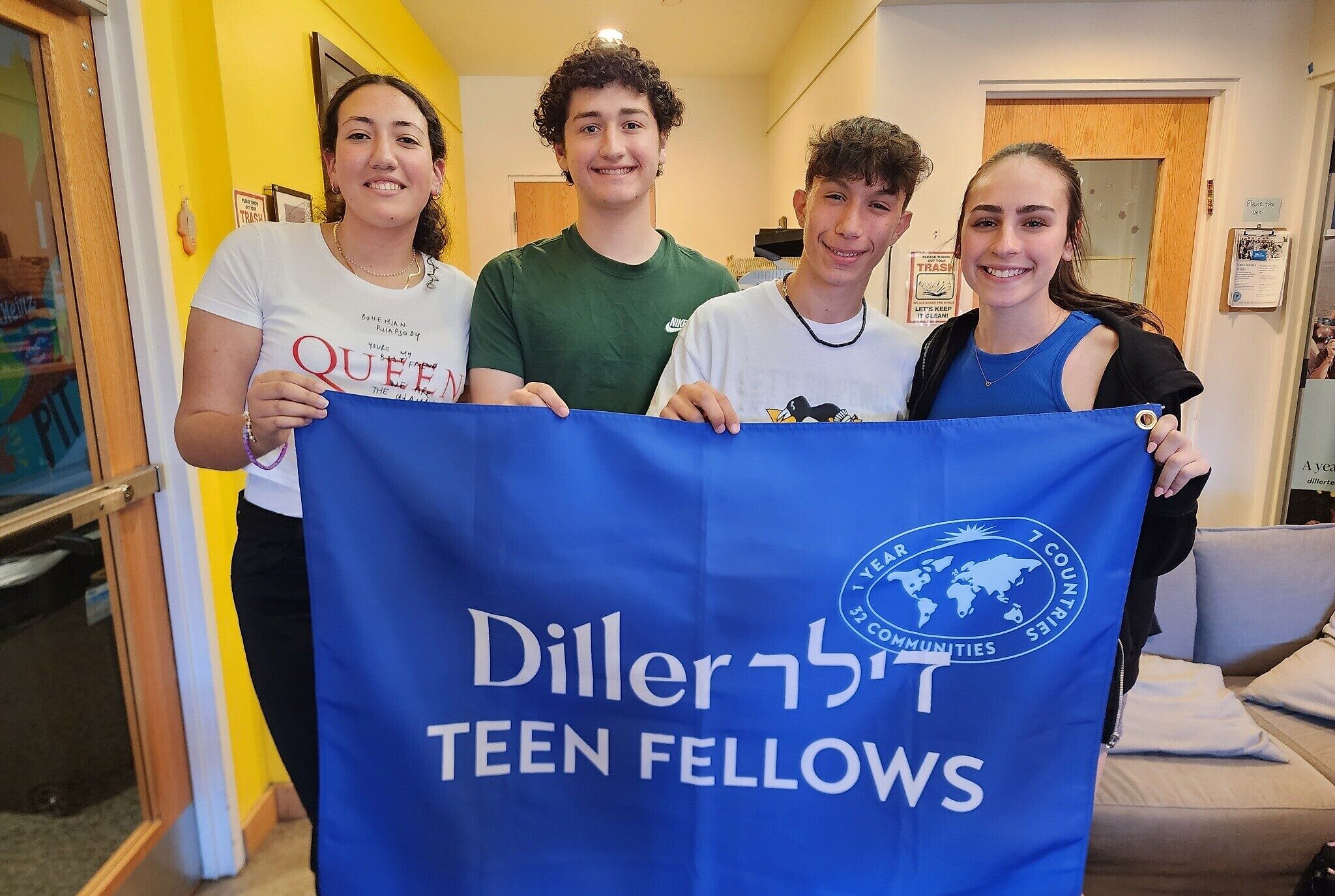
A cherished space is set to reopen with fanfare and friends. The Second Floor, which functions as a coffee shop, lounge and workspace for teens, will begin another year of engagement on Sept. 2.
Located inside the Jewish Community Center in Squirrel Hill, the chalkboard-lined room with comfortable coaches, small tables and numerous kosher snacks is a beacon for local adolescents.
Last year, according to its director Maria Carson, The Second Floor welcomed 645 young people.
Though most teens hailed from the neighborhood — and attended area schools including Pittsburgh Colfax K-8, Pittsburgh Allderdice High School, Community Day School and Hillel Academy of Pittsburgh — several members traveled via bus from non-walkable locales, Carson said.
Unlike the JCC, which employs a fee-based membership, The Second Floor is free for teens.
All that’s required, Carson said, is completing a form and obtaining parental permission. Once that process is complete, teens can access the space and the site’s numerous programs.
Most offerings — like self-defense through Krav Maga and clubs dedicated to creating change, Shabbat crafting and playing Dungeons & Dragons — are free. A few programs, including the Diller Teen Fellowship and middle school and high school musical, cost money. Some programs even pay teens to participate, like the Visions of Peace fellowship where participants learn how Jewish thinkers conceptualize peace in the Middle East, or the She’elot fellowship where teens probe Jewish texts for meaning.
Shalom yinz
Carson described 12 programs The Second Floor will offer during the 2025-2026 academic year.
Each program serves to ignite the interests of a diverse populace.
The young people entering the space arrive from “all sorts of backgrounds,” she said. “Anyone can come and participate in our programs. Anyone could come and be an intern if they fulfill certain age requirements and apply.”
The key, Carson continued, is that The Second Floor is a “Jewish space, regardless if everyone who walks through our doors is Jewish.”
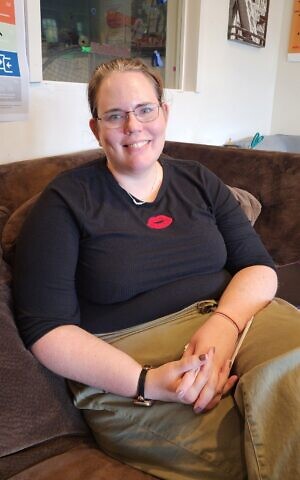
Given its lounge-like setting and annexed classroom, The Second Floor supports multiple uses.
Staff-led classes are dedicated to rabbinic and biblical texts or Israel. One-off events celebrate the Jewish holidays. Only kosher certified food is served on site (Carson keeps paper plates and disposable utensils on hand for individuals who prefer not to use The Second Floor’s dishes).
“The Second Floor aims to serve as a hub for Jewish engagement in our community,” Rachael Speck, JCC’s chief program and innovation officer said. “What is so wonderful about it is that it is open and accessible to teens of all backgrounds, but it aims to connect them socially and educationally to the Jewish community here in Pittsburgh.”
Both Carson and Speck described The Second Floor as a bridge builder. Yet as much as it introduces teens to Jewish writings and ideas, The Second Floor facilitates more intimate connections.
The space, Carson explained, is predicated on creating relationships and fostering a sense of self.
Those ends occur during a critical period, literally and figuratively, she added.
See you after school
Researchers point to after-school hours — specifically those between 3 and 6 p.m. — as delivering key moments for teens.
A study following British adolescents found that nearly a third of after-school hours were spent on phones, tablets and other devices. The danger of “sedentary screen-time,” authors noted, was its association with adverse health outcomes, including obesity, insulin resistance and depression.
Once the school day ends, 1 in 5 children are left to care for themselves, the Salvation Army reported.
Parents, educators and policy makers must recognize the dangers presented between 3 and 6 p.m., as those are a peak period for “juvenile crime and experimentation with drugs, alcohol, cigarettes and sex,” according to Afterschool Alliance, a Washington D.C.-based research and advocacy group.
Teens need “a place to go after school,” Carson said. Whether they come here and connect among themselves or with staff, “our space really matters.”
Most young people don’t always want to share every detail of their lives with their parents, she continued. “We’re also here to support them through that journey.”
Be here
Carson, like others who work with teens, referenced numerous challenges experienced by the demographic.
With teens reporting higher rates of loneliness and social isolation, being a supportive presence is crucial, she said.
“The single most powerful force for adolescent mental health is strong relationships with caring adults,” Lisa Damour, a clinical psychologist at Case Western Reserve University told the American Psychological Association in April.
Young adults without social support were more likely to report anxiety, depression, poor sleep quality and “very low life satisfaction,” noted the Centers for Disease Control and Prevention. The irony, continued researchers, is that while nearly 42% of teens told the CDC they lacked necessary social and emotional support, 93% of parents believed their child received that support.
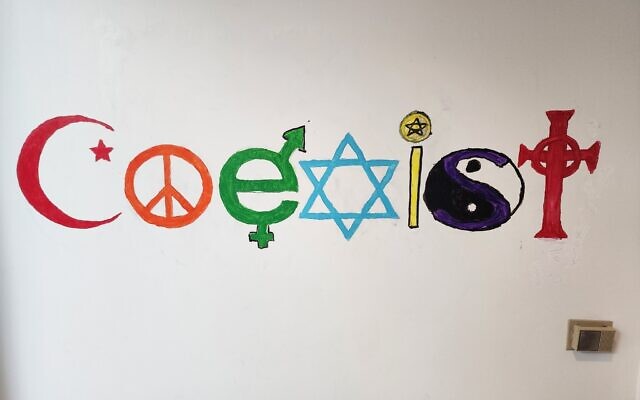
For months, the Squirrel Hill haven was dormant. With summer vacation now complete, and students back in school, The Second Floor is ready to open again.
The first week is always packed with entrants and questions, Carson said. For those who pull open the doors, “I hope we can encourage them to not just come and enjoy the space, but also to actually engage in one of our programs.”
Engagement can teach them “something about Judaism, whether or not they are Jewish.” And it helps them “make connections,” she continued, “with the staff and with other teens.” PJC
Adam Reinherz can be reached at areinherz@pittsburghjewishchronicle.org.
comments