
Rehabilitation village in Israel seeks Pittsburgh support
'I think everyone, if they really think about it, has the capacity to give something. And every little bit helps'
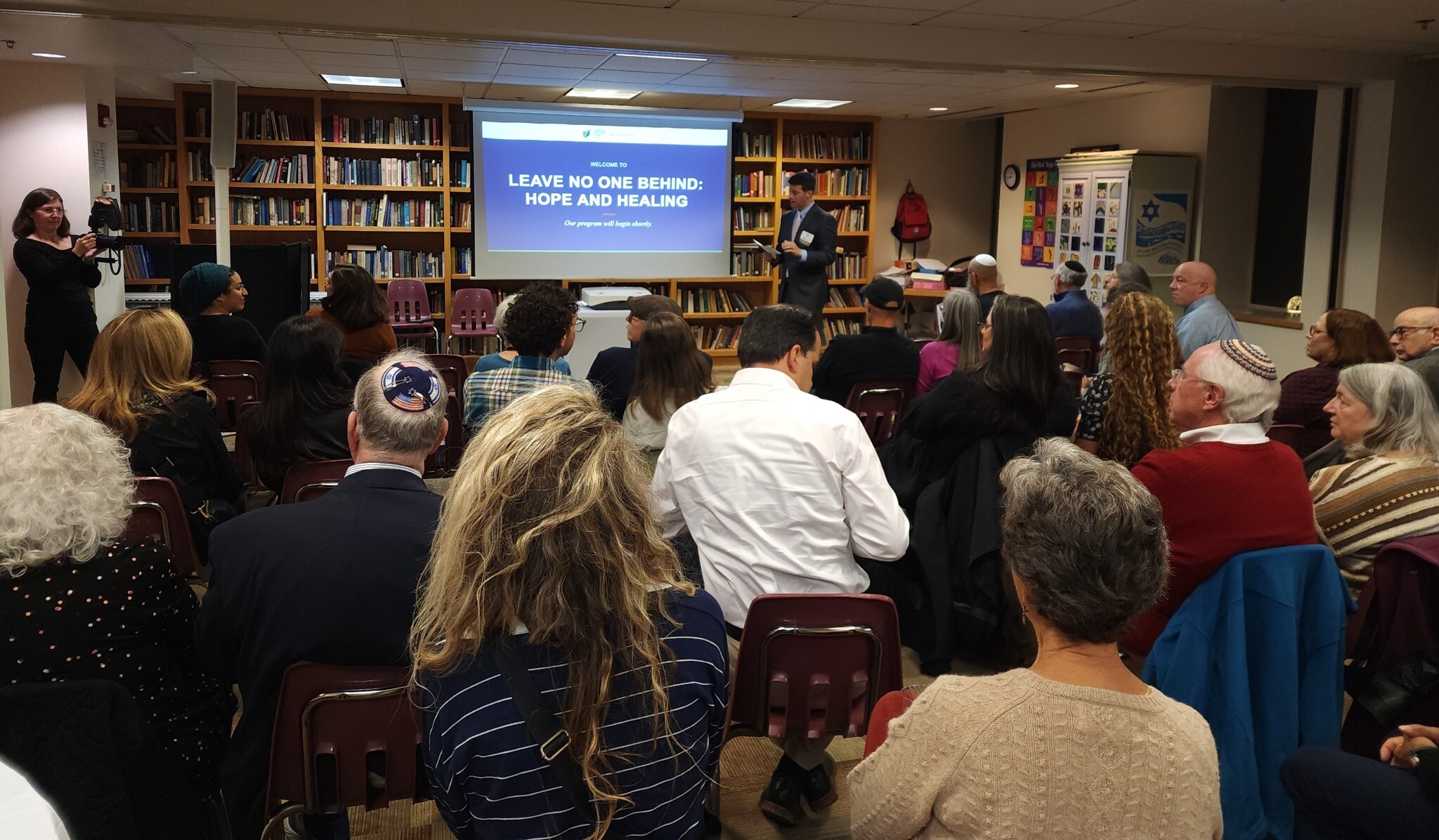
Hoping to spark interest in a rehabilitation village 6,000 miles from Pittsburgh, former Baltimore resident Elie Klein visited Squirrel Hill on Nov. 3 to meet with prospective donors. For nearly 30 minutes, Klein, the North American director of advancement for ADI Negev-Nahalat Eran Rehabilitation Village, addressed nearly 30 people inside Congregation Beth Shalom.
ADI Negev, located in southern Israel, represents the best of what people can achieve, Klein said. “It’s not just a physical oasis in the desert — it’s a humanistic oasis in the desert.”
Founded in 2005, the 40-acre site welcomes individuals with diverse backgrounds and abilities for cooperative rehabilitative activities.
“We have Israeli Arabs. We have veterans, we have Druze. We have women walking around with every manner of head covering — whether because they’re Muslim or they’re Jewish — and it just doesn’t matter,” he said.
ADI Negev was created by Didi and Major General (Res.) Doron Almog in honor of their son Eran, who was born with severe autism and cognitive disabilities. Eran Almog died of Castleman disease at age 23, nearly a year after ADI Negev was founded.
Shortly after becoming chairman of the executive of the Jewish Agency for Israel, Doron Almog, who remains chairman of ADI Negev, visited Pittsburgh in 2022. Speaking with the Chronicle he said the village’s values are globally applicable: “We need to spread more love in our world; and love starts with the slightest relationship between people.”
About 170 residents live at ADI Negev year-round, Klein told prospective donors. “We are their extended family. We are the home away from home.”
Within the southern-based center are residential facilities, schools, rehabilitative day care, a dental clinic, hydrotherapy pool and other services including equine, respiratory and sports therapies.
Pittsburgher Sarah Ertel worked at ADI Negev’s equine therapy horse farm for about two years.
“ADI Negev is a place of opportunity,” she said. It allows residents to “be seen as people not as their disability.”
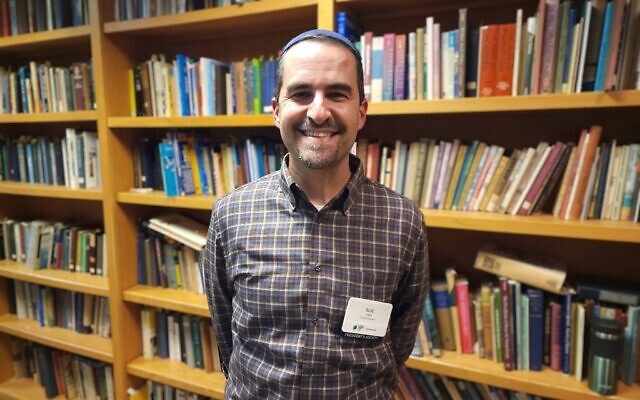
Rehabilitation Village, visits Pittsburgh on Nov. 3. (Photo by Adam Reinherz)
Though the original mission has remained constant, ADI Negev has boosted its trauma-related services since Oct. 7, 2023, Klein said. “We need to make sure that people understand that we’re in that space too. We are in the business of making sure that nobody feels alone, that nobody is left behind, that nobody’s in pain.”
Since the start of the Israel-Hamas war, ADI Negev has handled 1,250 inpatients and more than 200,000 inpatient treatments, JNS reported in August. At the time, the village was treating 60 IDF soldiers and providing PTSD-services to 50 soldiers and families.
The Taking Charge of Life program to rehabilitate families, Klein said, ensures these individuals are “reintegrating into life together.”
Whether it comes to trauma-related care or any services, ADI Negev’s work is “apolitical,” Klein said.
That message should resonate with people of all ages and opinions, he continued.
In August, a poll from The Economist and YouGov found that 54% of 18-29 year-olds believe “Israel’s attacks on Gaza are unjustified and harm too many innocent Palestinians.”
One month earlier, a Harvard Harris survey found that although 92% of adults over 65 said they support Israel more than Hamas, 40% of 18- to 24-year-olds favored Hamas.
Klein stressed the village’s commitment to empowering individuals with disabilities, and encouraged everyone to visit the site and learn more about its operations.
“Even people who have doubts about is there still goodness left in the state, they get off a bus, and they come to Adi Negev, and they have their answer. They know that 100%, what I’ve been looking for in Judaism, what I’ve been looking for in Israel, exists right here,” he said.
Rabbi Dan Horwitz, Jewish National Fund-USA’s executive director for the Midwest states, attended the Nov. 3 program and encouraged attendees to consider ADI Negev among their end-of-year donations.
Horwitz, who lives in Detroit but spends several days a month in Pittsburgh, said he was happy to meet with individuals and speak with them about ADI Negev or other JNF affiliates.
Klein echoed an aspiration that the Pittsburgh visit would spark institutional support and said the process begins with engagement.
“The realistic ask is to get involved first, and we’ll work out the giving later,” he said. “I think everyone, if they really think about it, has the capacity to give something. And every little bit helps.”
Klein said he shared a similar message in Florida and New Jersey before arriving in Pennsylvania, and that he’ll articulate it again during subsequent stops in New York, Connecticut, Ohio, North Carolina and Tennessee.
“A community should never feel that they’re so small that they can’t make an impact. That doesn’t exist in Jewish life and in our reality,” he said. “We are a small but mighty people. That’s what we do.” PJC
Adam Reinherz can be reached at areinherz@pittsburghjewishchronicle.org.
comments