
Pop artist Peter Max dies at 88
The Berlin-born Jewish artist fled Nazi persecution as a child and lived in Shanghai and Israel before becoming an icon of 1960s American pop culture.
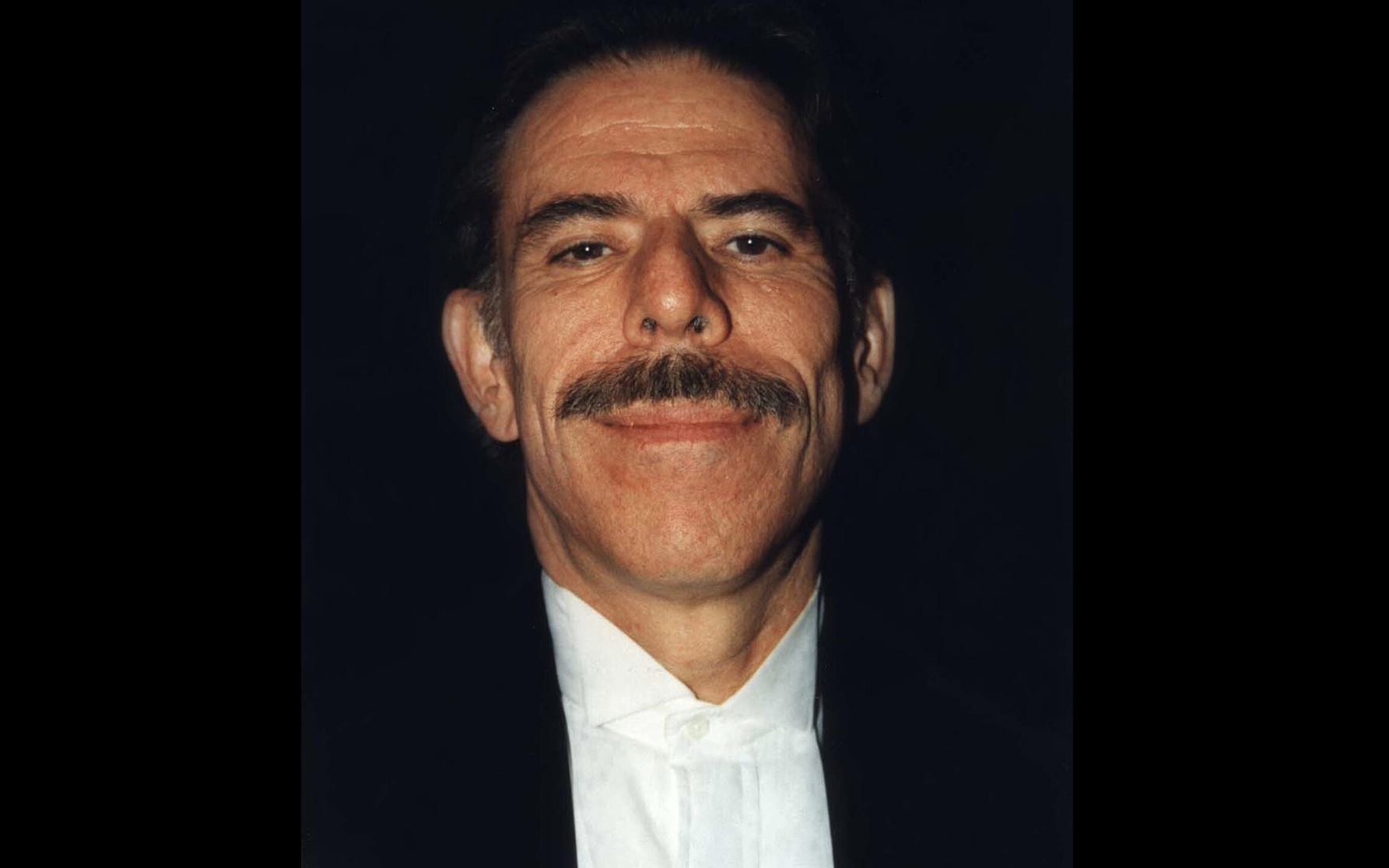
German-American artist Peter Max, whose colorful, psychedelic artwork expressed the optimism of the “flower power” movement of the 1960s, died on Monday at a Manhattan hospital. He was 88.
No cause of death was given, but Max had suffered from dementia for years. His death was announced Wednesday by his son, Adam Max.
Max was born Peter Max Finkelstein to German Jewish parents in Berlin on Oct. 19, 1937. A year later, the family fled Nazi persecution and settled in Shanghai, where they lived for the next decade.
The vibrant colors of the Asian city that he experienced as a child would later influence much of his life’s work.
Following the establishment of the modern State of Israel in 1948, the family moved to Haifa, where Max took art lessons and studied astronomy, two interests he would later combine in his work.
From Israel, the family moved to Paris before settling in Brooklyn when Max was 16.
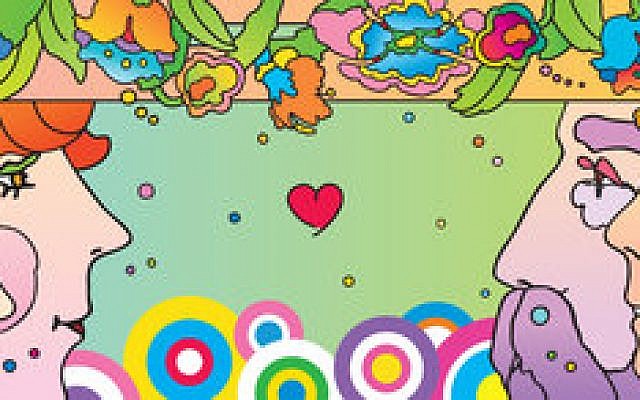
Max studied in New York at the Art Students League and began his career in graphic design in the 1960s. His colorful, instantly recognizable designs remained popular well into the 21st century.
Max was the official artist for the Olympics, the Super Bowl, the Indianapolis 500, the World Cup, the World Series and numerous other major events.
“We will remember his extraordinary creativity, his warmth, his curiosity, and the way he saw beauty and possibility everywhere,” Adam Max said in the statement announcing his death. “His art became part of American culture, but the man behind that art—the father we knew and loved—is the person we will miss most.”
The twice-married Max also weathered personal and professional controversies, including pleading guilty to tax fraud in 1997 after federal authorities alleged that he had concealed more than $1 million in income from his art.
His later years were marked by a bitter family dispute over his business and finances as his health declined.
His second wife, Mary Max, died by suicide in 2019, shortly after The New York Times published an investigation into the legal battles surrounding the artist and his work.
Max is survived by his daughter, Libra, and son, Adam. PJC
comments