
‘Open the F—-in’ Strait’: Trump threatens to bomb Iran’s power plants
President promises ‘hell’ for regime’s ‘crazy bastards’ if they do not immediately allow passage of ships through key waterway, admits US sent guns to anti-regime protesters
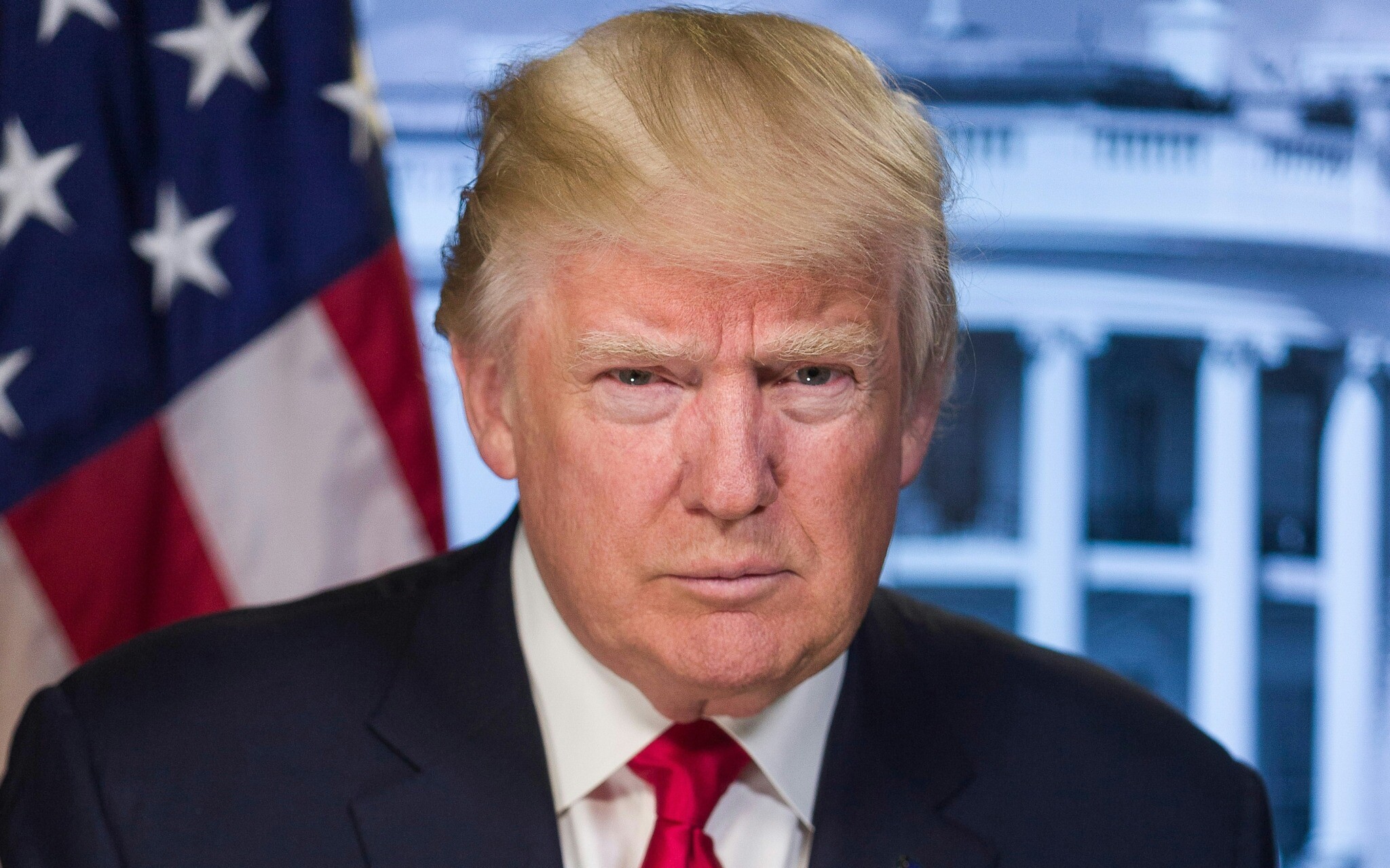
In an expletive-laden post on his Truth Social account on Sunday, President Donald Trump warned that the U.S. would attack power plants and bridges in Iran starting Tuesday — when his latest ultimatum for Tehran to make a deal ends — if the Islamic Republic failed to reopen the Strait of Hormuz.
“Tuesday will be Power Plant Day, and Bridge Day, all wrapped up in one, in Iran. There will be nothing like it!!! Open the Fuckin’ Strait, you crazy bastards, or you’ll be living in Hell – JUST WATCH! Praise be to Allah,” wrote the president.
Trump’s warning came after his vow on Saturday to rain “hell” on Iran if it failed to reach a ceasefire deal or open the strait by Monday, when time runs out on the ultimatum that he already extended twice.
Trump repeatedly threatened to strike Iran’s power grid if Tehran failed to comply with US demands. In response to US and Israeli strikes that began at the end of February, Iran targeted shipping in the Strait of Hormuz, effectively closing the strategic waterway through which one-fifth of global oil usually passes.
Trump initially threatened on March 21 to “obliterate” Iran’s power plants within 48 hours if Hormuz remained shut, but then extended that deadline twice, claiming behind-the-scenes negotiations were progressing. However, talks have reportedly hit a wall in recent days.
Oman and Iran held talks on easing passage through the Strait of Hormuz, the Omani state news agency reported.
“Oman and the Islamic Republic of Iran held a meeting at the deputy ministers’ level in the foreign ministries of the two countries, with the attendance of specialists from both sides, during which the possible options were discussed regarding ensuring the smooth passage through the Strait of Hormuz,” the news agency posted on X.
“The experts from both sides put forward a number of visions and proposals,” it added.
The war has overwhelmed the Middle East and paralyzed shipping in the Gulf.
Iran has so far shown no signs of complying with Trump’s demand to reopen Hormuz, despite the heavy damage to its military and civilian infrastructure from weeks of US and Israeli attacks.
Its chokehold over the narrow shipping lane has given it a powerful weapon, and it has continued to launch missile and drone attacks against Israel and on US allies in the Gulf, which remain highly vulnerable to attacks on key infrastructure, including power and water desalination plants.
Tehran has warned that attacks on its power infrastructure will be answered with devastating strikes on energy infrastructure in the Gulf.
In a phone interview with Fox News, Trump said Sunday he was considering “taking over” Iran’s oil if a deal wasn’t reached soon.
“If they don’t make a deal and fast, I’m considering blowing everything up and taking over the oil,” Trump told a Fox reporter, adding that he believed Washington could reach a deal with Iran by Monday.
Trump also told Fox that after the Iranian regime’s bloody crackdown on anti-government protesters earlier this year, the US attempted to arm Iranian protesters by sending them guns through Kurdish militia forces, but that the effort failed because the Kurds kept the weapons.
“We sent guns to the protesters, a lot of them…And I think the Kurds took the guns,” Trump said in what was apparently the first time the US admitted an attempt at direct involvement in the unrest.
Protests at the end of December, spurred by the collapse of Iranian currency, morphed by mid-January into a larger test of the then-supreme leader Ayatollah Ali Khamenei and his repressive rule. Trump at the time told the Iranian people that “help is on its way,” while urging them to keep protesting and to take control of the country’s institutions.
The regime brutally suppressed the protests, killing many thousands. The full toll is still unclear, though anti-regime groups claim tens of thousands were slaughtered.
Khamenei and a number of other senior officials were killed in strikes on the first day of the US-Israel campaign, on February 28. Israel and the US launched the bombing campaign in a bid to destabilize its regime and destroy its ballistic missile and nuclear programs.
A U.S. proposal to end the war reportedly includes demands that Iran dismantle its nuclear program, limit its ballistic missiles, halt support for terrorist proxies, and relinquish control of the Strait of Hormuz. Iran has reportedly rejected such demands, while demanding reparations for damages inflicted in the war and guarantees that it will not be attacked again.
The Strait of Hormuz is a bending waterway, about 33 kilometers (21 miles) wide at its narrowest point. It connects the Persian Gulf to the Gulf of Oman. From there, ships can then travel to the rest of the world. While Iran and Oman have their territorial waters in the strait, it is considered an international waterway where all ships can pass. PJC
comments