
Jewish burial society seeks volunteers for ‘true loving kindness’
'You're helping someone and they can't repay you'
Kindness comes in many forms. Perhaps the highest is one recipients never see.
Last week, representatives of Gesher HaChaim, one of two Pittsburgh Jewish burial societies, issued a call for volunteers. The request, which came via a letter disseminated by multiple congregations, asked community members to become shomrim (guards).
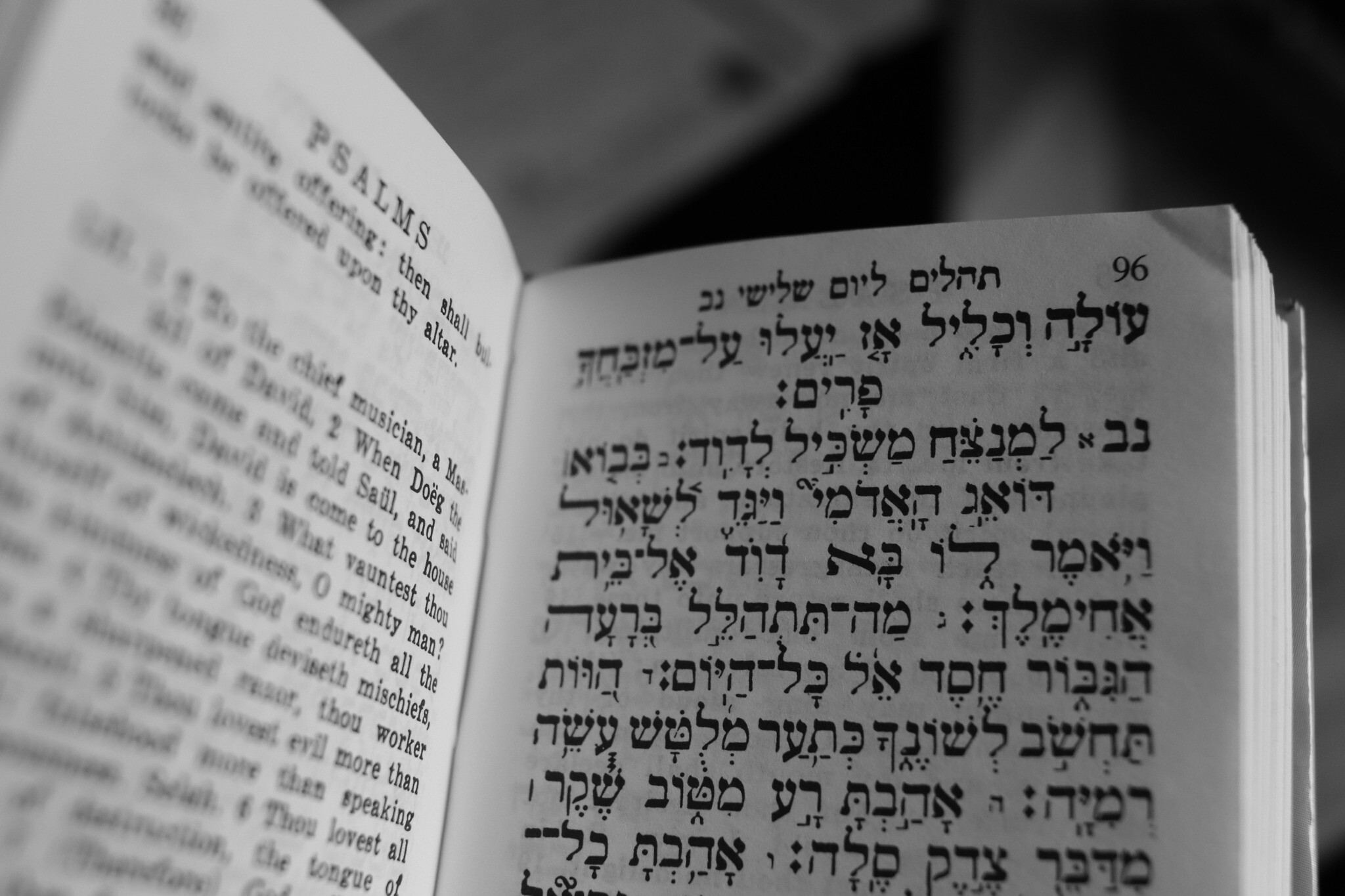
Shomrim, explained Cheryl DeSure, the letter’s author, serve a critical function within the Jewish burial process. After an individual dies, a shomer (plural shomrim) sits nearby — often in an adjacent room with the door open — and recites psalms.
“We never leave a body alone from the moment that a person dies until the moment of burial,” DeSure said. “We do this out of respect.”
The longstanding practice, according to Rabbi Elisar Admon, head of Gesher HaChaim, stems from a desire to protect a body before burial.
Years ago, prior to refrigeration, concerns arose that vermin or ill-intentioned individuals would desecrate the deceased. Shomrim prevented such misfortunes. Additionally, Admon said, rabbinic literature maintains that until burial the deceased’s soul remains nearby; shomrim respect and accompany each soul along its way.
“Judaism places extreme importance on the final moments before a body is buried; and to that extent, the Rabbis prescribed a specific mitzvah to have someone with the body prior to burial,” Squirrel Hill resident Elli Kanal told the Chronicle.
For more than 20 years, Kanal has volunteered with the Jewish burial society. Time and again, he’s seen the value of its practices.
“You’re accompanying the body to the final resting place,” he said. “Families appreciate it.”
When a shomer is present, “families know their loved one is not alone, that someone is there — especially someone from the community,” Admon said.
DeSure referenced both the death of her mother and husband and said, “it’s very meaningful in the moment” to know that a loved one’s body is not alone.
In the hours before a funeral “there’s so many things to think about,” she continued. “With my husband, my kids were younger — and there was just getting them to the funeral — knowing that somebody cared, and was praying, and was there for him, it gave me a sense of peace and I want to pass that on.”
DeSure said she’s received positive feedback from the letter and hopes others are inspired to volunteer.
The Jewish community is attuned to caring: When a woman gives birth, “people want to cook a meal.” When “somebody is sick, or broke a bone,” people want to help; similarly, “death is a part of life,” DeSure said.
Mortality can be a terrifying prospect, but there’s little to fear about being a shomer, according to Gesher HaChaim representatives.
“There’s nothing creepy or scary about it. You just stay there and say psalms,” DeSure said.
The process is relatively simple. After receiving an alert from a WhatsApp group, volunteers register for hourlong slots. People often sit in an adjacent room on a comfortable chair. And if someone is worried about going alone, they’re welcome to bring a partner to recite psalms with, Admon said.
For generations, Jewish burial practices have been called “chessed shel emet.”
The Hebrew phrase, which translates to “true loving kindness,” is described as such “because you’re helping someone and they can’t repay you,” DeSure said. “You’re doing it because it’s important, and you’re doing it because it’s important to you. It’s a true act of kindness.” PJC
Adam Reinherz can be reached at areinherz@pittsburghjewishchronicle.org.
comments