
Could going to synagogue help or hurt a Jewish candidate? This poll offers a clue
New poll shows how practicing Judaism could factor into electability
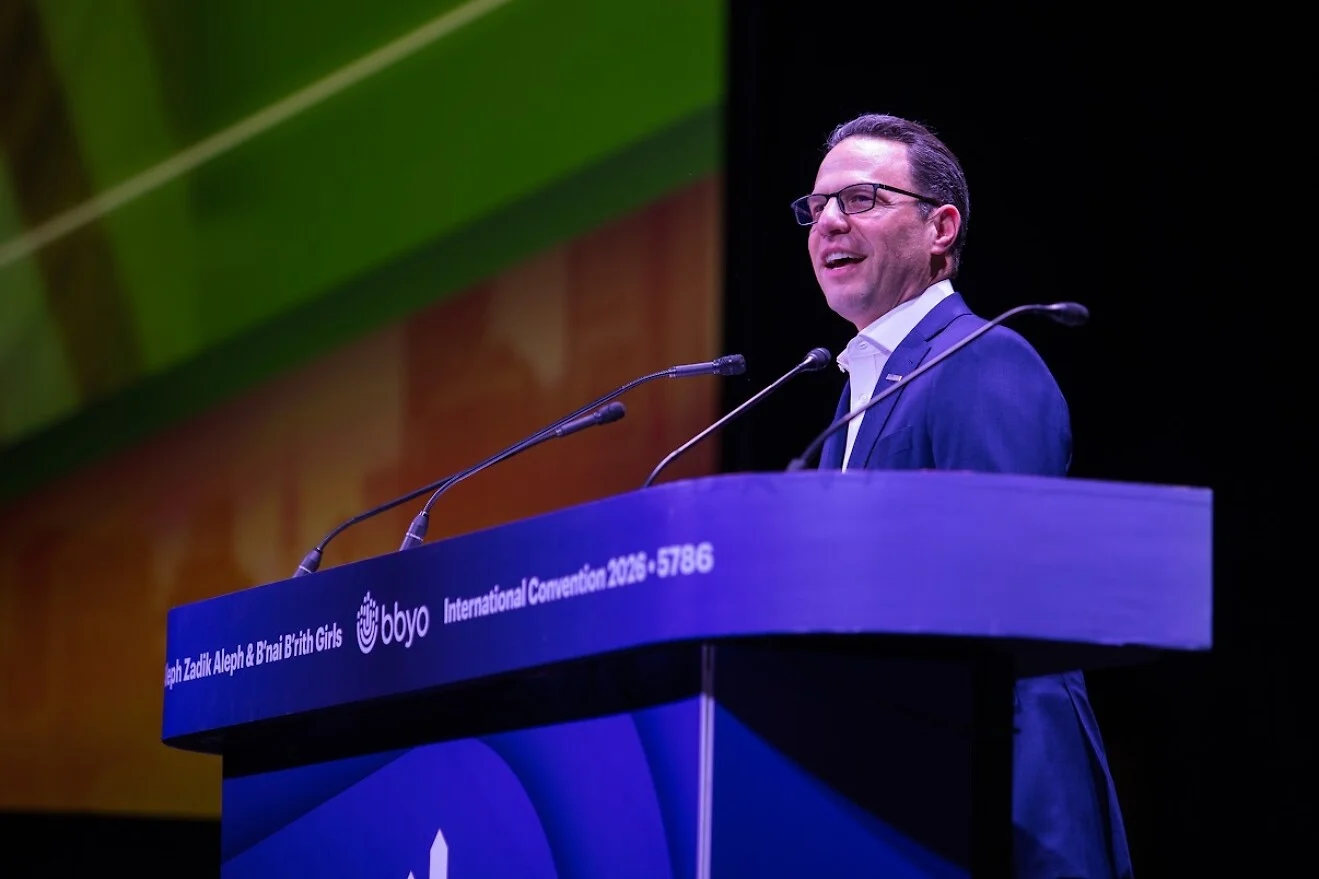
This story was originally published in the Forward. Click here to get the Forward’s free email newsletters delivered to your inbox.
Voters may react differently to a Jewish politician who publicly practices their faith than to one who simply identifies as Jewish, a new poll found. The distinction could matter for Pennsylvania Gov. Josh Shapiro, a possible 2028 presidential candidate who has made his Jewish faith central to his public life and service.
The Politico poll of 2,002 U.S. adults showed that Democratic voters were less likely to vote for a candidate who regularly attends synagogue than for a candidate not practicing a religion or attending services once a year. Among Republicans, however, a candidate who regularly attends synagogue performed better than one who attends only once a year.
The survey, conducted online in partnership with the London-based polling firm Public First between August 8 and 14, asked respondents to choose between hypothetical candidates with different characteristics, including political ideology, age, race, profession, sexual orientation and religious practice. The sample has a reported margin of error of plus or minus 2.2%.
The poll offers a window into how religious observance may shape the way voters view a Jewish candidate. In an earlier poll conducted by the same firm in May, among 2,038 voters, candidates were identified simply by religion rather than how often or where they worshipped. Being identified as Jewish hurt a hypothetical candidate among voters in both parties compared with being identified as Christian.
The findings could be particularly relevant to Shapiro, the popular Pennsylvania governor running for reelection this fall. He maintains a traditional Conservative Jewish lifestyle, keeps kosher and is a longtime member of Beth Sholom Congregation in Elkins Park, outside Philadelphia. In his recent memoir, Where We Keep the Light, Shapiro detailed experiences shaped by and tied closely to his Jewish identity, including his vetting as a vice presidential candidate in 2024.
Shapiro has been viewed as a potential first Jewish president since his gubernatorial campaign in 2022 and is one of three prominent Jewish Democrats — along with Illinois Gov. J.B. Pritzker and former Chicago Mayor Rahm Emanuel — mentioned as possible 2028 presidential candidates.
Religious identity, particularly Christianity, has become more central in Republican politics since President Trump returned to the White House in 2025. Trump and his Cabinet have made religious faith a prominent part of his administration’s agenda. He created a White House Faith Office to work with religious organizations and established a Justice Department task force focused specifically on what the administration calls anti-Christian bias. At the same time, an increasingly vocal faction on the far right has made Christian nationalism and antisemitism central to its politics.
The Politico poll does not explain why Republican voters responded differently to Jewish candidates based on how often they attended synagogue. But the gap aligns with the broader split in positions among conservatives who have warmly embraced visibly religious and politically conservative Jews, while criticizing liberal or less observant Jews over their politics and commitment to Judaism.
Trump has repeatedly drawn that distinction himself. During the 2024 election, for example, he said that Jewish Americans who vote for Democrats “hate their religion.”
This story was originally published on the Forward.
comments