
An Israeli poet was scheduled to do a reading in New York. Then her publisher called
Despite Hamutal Bar-Yosef’s close ties to the Palestinian community at home, an anti-Israel climate prompted her publisher to reconsider bringing her to the U.S.
This story was originally published in the Forward. Click here to get the Forward’s free email newsletters delivered to your inbox.
It was supposed to be a party to celebrate the revival of a nonprofit poetry press and to welcome a beloved Israeli poet back to an America quite different from the one she visited decades ago.
But politics in that new America intervened, canceling the party.
Hamutal Bar-Yosef, a contemporary icon of Israeli poetry, had planned to be in New York City this week to read from the new English translation of her collection The Miraculous Mistake.
Bar-Yosef’s book is one of three volumes coming out this fall by Sheep Meadow Press, an American nonprofit that had been dormant since its founder, renowned Jewish poet Stanley Moss, died in 2024.
The scheduled reading was also part of a new chapter for Poets House, a national poetry library and meeting place in Manhattan, which, after a four-year hiatus sparked by the pandemic, reopened in 2024 and began offering rental space.
But as conversations about the upcoming event unfolded, Greg Miller, the new head of Sheep Meadow, grew concerned. Bar-Yosef, who is 86, had just received one of Israel’s most prestigious literary awards, the Bialik Prize for a lifetime of achievement in poetry. But not everyone at Poets House seemed enthusiastic about welcoming her, he told the Forward.
Given her elevated profile and the anti-Israeli climate now pervading the literary world, Miller called off the event. He said select staff from the Poets House offered to help him find a new venue in the spring.
“As a result of this conversation and others it was important for someone who is representative of Israel right now to have security,” Miller said. “And so I made the decision we were going to postpone and find a more appropriate venue, the right spot for her that will give her the audience she deserves.”
Poets House did not respond to the Forward’s inquiries. Bar-Yosef declined to be interviewed for this story.
Sheep Meadow and Poets House have a long history, going back 40 years since Sheep Meadow founder Moss also helped found Poets House as a place that “exists to create a welcoming home for poets, poetry readers and for those who are exploring poetry.”
Moss, whose Almost Complete Poems won the National Jewish Book Award for Poetry in 2016, founded Sheep Meadow Press in 1977 as a nonprofit press with a particular focus on international poets in translation.
Thursday’s event was going to feature a reading of poems from Soon, Moss’s final collection of poems completed in his 99th year. Miller also planned to share the stage with Bar-Yosef to read from his own new collection Green Runs Through It.
Moss and Bar-Yosef appeared together for a reading at the 92nd Street Y when Sheep Meadow published an English translation of Night, Morning, one of her nine poetry collections.
But much has changed for Israeli and Jewish authors since then and especially since the Israel-Hamas War began on Oct. 7, 2023. According to a PEN America report published in July, editors have increasingly ignored submissions, rejected them outright or asked agents not to submit Israeli authors in the future.
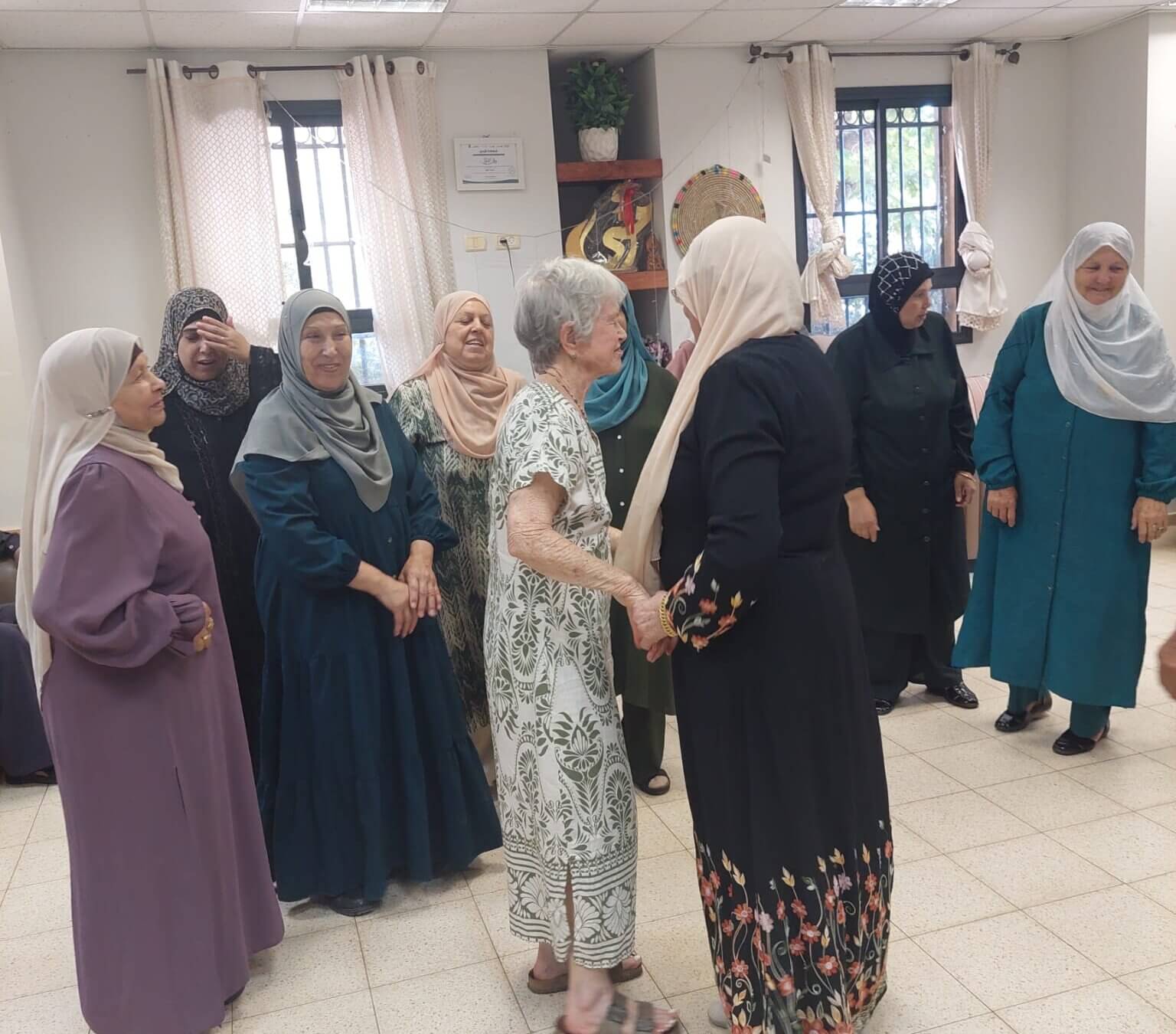
Miller said it comes down to what the word Zionism means for audience members. Bar-Yosef believes in a homeland for the Jewish people and the state of Israel, Miller said. For years, she has helped transport Palestinian children from the West Bank to hospitals inside Israel. She has Palestinian family members. A prolific prose writer, literary scholar and translator, at least three of her poetry books have been translated into Arabic. She also has published in journals that include Arabic and Hebrew writers.
But because others have imposed their own meaning on the Z-word, finding a safe and welcoming space in the U.S. for an Israeli to read poetry free of indictment has become a challenge.
“I don’t want to be the shillelagh of the left or the right,” Miller said. “I don’t want Hamutal to be that either.”
Bar-Yosef’s latest collection of verse, originally published in Hebrew in 2020, explores grief through the various losses in her life including the death of her older brother in the War of Independence, the suicide of one of her sons, the murder of family members in the Shoah and choices that have become clear long after the fact and too late to right the wrongs.
“It is poetry that addresses harsh realities directly, eschewing pathos and sentimentality, and refusing to hide behind musicality or fluidity—qualities that can otherwise veil the blemishes and scars of reality,” one reviewer wrote in Haaretz when the original Hebrew edition was released in 2020.
A description of the collection by its distributor, Wesleyan University Press, describes it as “a glimpse of holy solidarity, of a time, perhaps some 500 years in the future, where there will be no need for steel doors and bomb shelters” – a reference to the poem Five Hundred Years, which opens with: “It’s hard to believe, but five hundred years ago people like us had slaves.”
It ends with: “That is how they will talk about wars and terrorist attacks as a way of settling disputes or salvaging pride after five hundred more years, perhaps even less.”
This story was originally published on the Forward.
comments