
Pitt law students empowered by D.C. Jewish leadership summit
'Anytime you can get groups of Jewish professionals together, it's going to be a really informative and amazing experience'
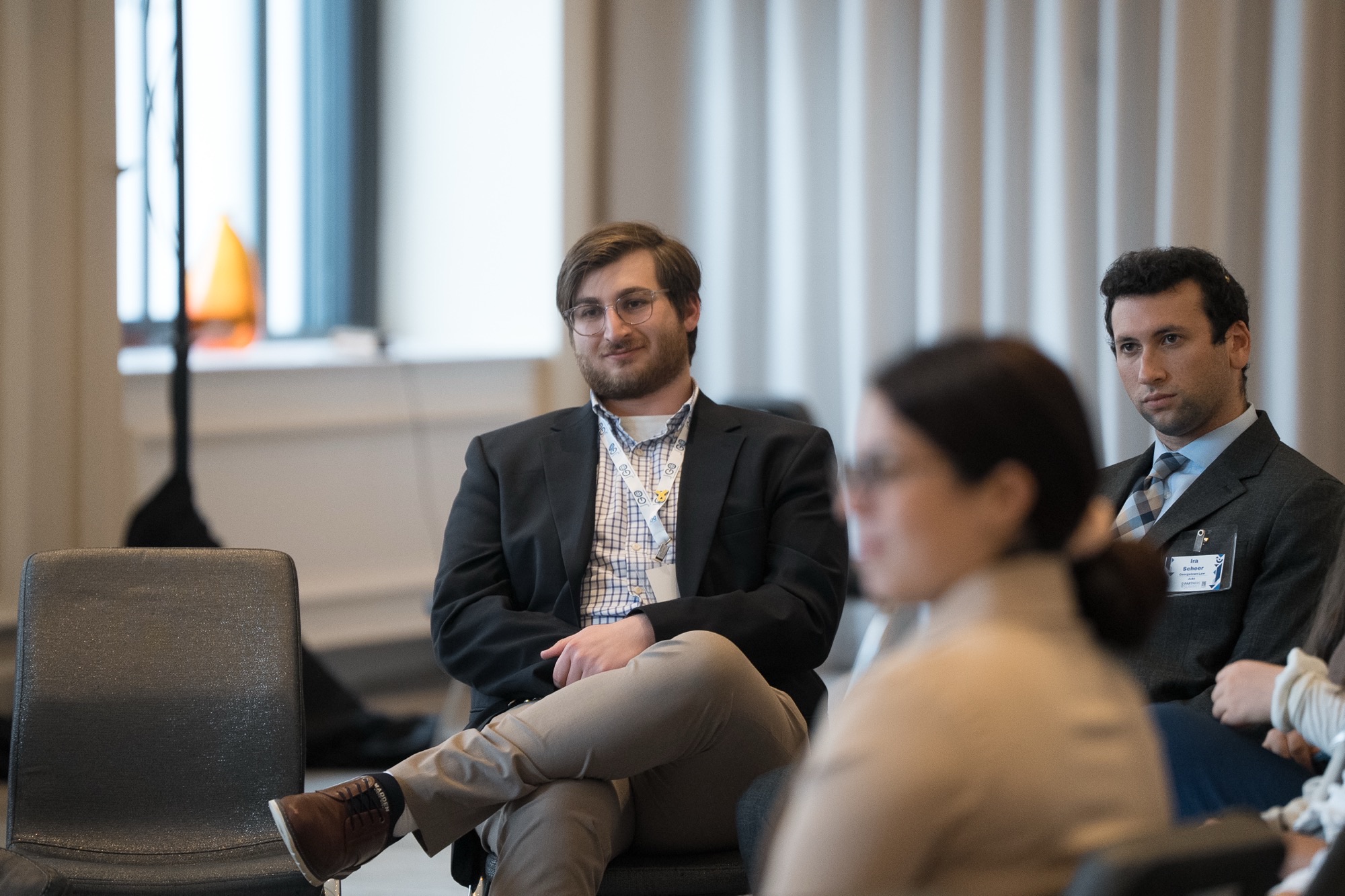
Two Jewish students at the University of Pittsburgh School of Law traveled to Washington D.C. for a two-day summit focused on developing community. Organized by JGO: The Jewish Grad Organization, the Aug. 30-31 gathering enabled Amallia Rascoe and Cooper Feiner to join more than 100 fellow Jewish graduate students in a series of discussions regarding best practices for cultivating Jewish identity on campus.
Rascoe, president of the Jewish Law Students Association at Pitt Law School, said she joined the JGO’s Miller Family Partners Summit because of her goal: “I’m trying to build the Jewish community at Pitt Law.”
What the conference delivered was not only “inspiration,” she said, but “moral and emotional support,” as well as instructions for growing a community.

Sessions offered opportunities to meet with elected officials, tips on administering effective student groups and advice for networking.
Practical takeaways from the summit, Rascoe, 24, said, included the need to personalize communication. In lieu of disseminating mass emails, a great way to “engage with your members is having points of contact.”
The student leader put the strategy into practice last week. After returning from D.C., she personally reached out to Jewish law students and invited them for Shabbat dinner.
Most prior dinners, she said, welcomed about eight people. “This Friday we had 16.”
Feiner, business manager of the Jewish Law Students Association at Pitt Law School, praised the summit for its ability to connect like-minded individuals.
Having enjoyed the program so much last year, Feiner, 23, returned again this year.
The conference gives “leaders and future professionals in the Jewish community” a chance to hear about each other’s lives. Meeting people who are on “similar career paths” and getting their advice was beneficial. Also great, he said, was learning how student groups operate at schools with larger Jewish bodies.
Students at several universities are experiencing antisemitism, but “I feel lucky to be at Pitt,” he continued. “We don’t have that many challenges.”
Feiner mentioned incidents occurring at other universities as well as the experiences of Jewish undergraduates at Pitt — last year, two students wearing yarmulkes were attacked on a Friday night — before describing life for Jewish students in the School of Law.
“In the law school, specifically, we have not had anything major happen, or really anytime I felt unsafe, or anytime somebody has come up to me and expressed feelings of not feeling safe,” he said.
Bolstered by the conference, Rascoe and Feiner both mentioned upcoming programs, including Shabbat dinners and a speaker series with Jewish attorneys, intended to attract Jewish law school students.
“Anytime you can get groups of Jewish professionals together, it’s going to be a really informative and amazing experience,” Feiner said.
For many Jewish students, an endless news cycle and the deluge of negative stories makes it “feel like it’s a constant emotional attack every day,” Rascoe said. The summit was a reminder of how to achieve a key goal in Pittsburgh, she continued. “I want to create a space where we can celebrate the small wins and get to experience all the amazing things that Judaism has to offer.” PJC
Adam Reinherz can be reached at areinherz@pittsburghjewishchronicle.org.
comments