
Mind, body and soul: Pittsburghers ready for Rosh Hashanah through study and movement
'It’s about returning to who we are, checking in with who we are and who we are meant to be'
Rosh Hashanah begins the evening of Sept. 22. For weeks, Jewish Pittsburgh has been preparing.
Through classes, contemplation, shofar blasts and even yoga, local residents have readied for the new year.
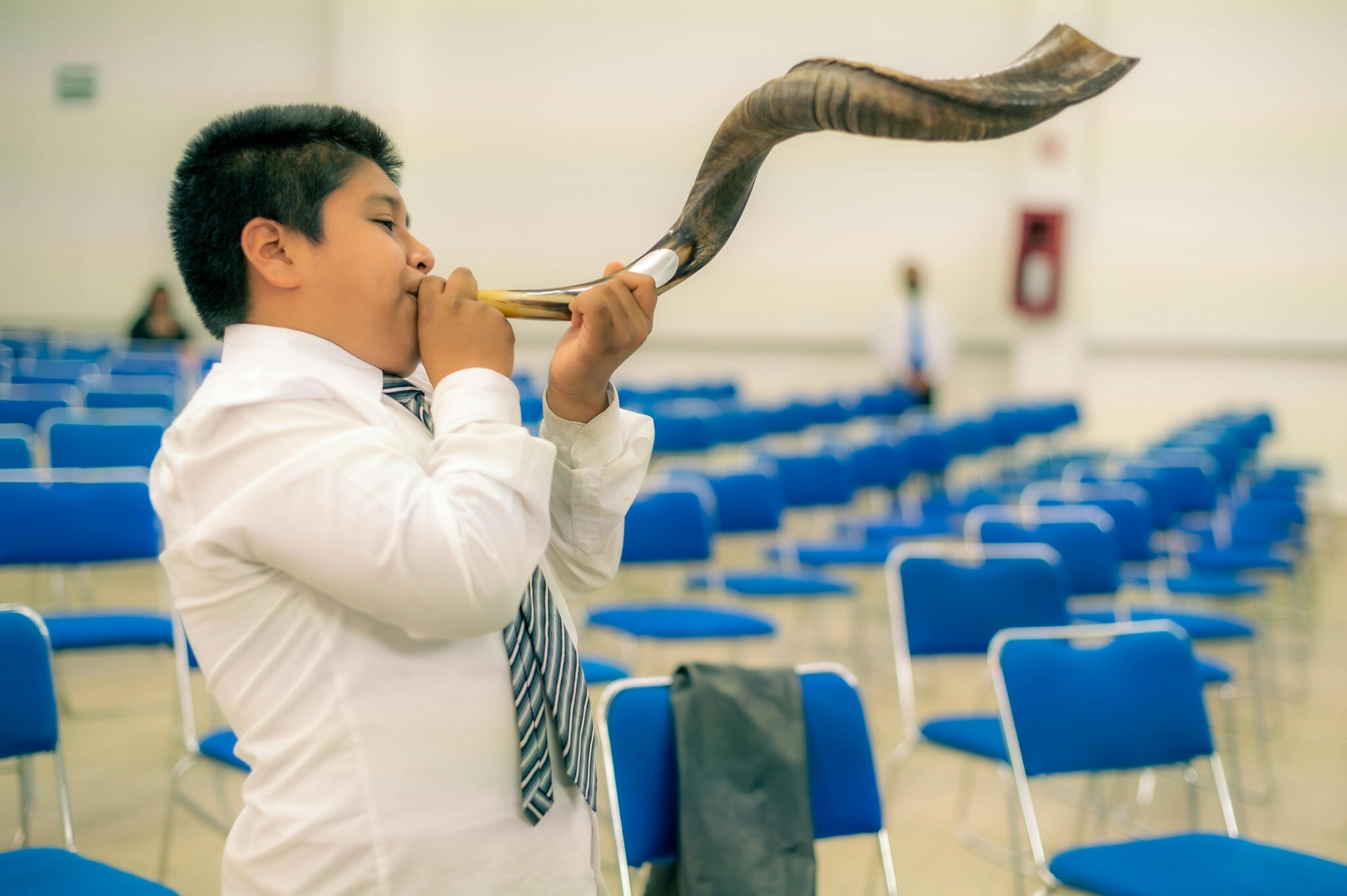
On Aug. 25, community members gathered at the Jewish Community Center in Squirrel Hill to celebrate the start of the Hebrew month of Elul. The 29-day period of introspection is marked by various practices, including the recitation of seasonal liturgy and blowing of the shofar.
Through a program operated in conjunction with the 10.27 Healing Partnership, rabbis Hindy Finman and Alex Greenbaum encouraged participants to read and wrestle with Jewish texts.
The topics, as Finman explained, concerned relationships and the inherent challenges of unity and forgiveness.
“What does it mean to take an intentional pause from a relationship?” she asked.
A classic Chassidic tale recounts a father and son studying Torah together, she continued. The two begin arguing and the debate intensifies. As the rhetoric escalates, the father and son make a decision. In lieu of further contesting each other’s points, they pause and choose to “not push a relationship into a space where they don’t want it to go.”
Learning Torah is a “crucial mitzvah,” but even in that moment the father and son recognize a greater need, Finman, the JCC’s senior director of Jewish life, said. “Sometimes, in relationships, you just need to pause — and it doesn’t mean we’re not coming back to it, it just means, ‘Hey, we need to breathe, to calm down, to not be distressed, and then we could be back in relationship with each other.’”
Seeking peace with others is a common practice during Elul. Reaching personal tranquility is another.
In preparation for Rosh Hashanah, Cantor Julie Newman has been leading Elul Yoga. Held on Fridays at Rodef Shalom Congregation and Sundays at Congregation Beth Shalom, the four-week program focuses on movement, breath and reflection.
Many Jews undertake a cheshbon hanefesh (spiritual accounting) before the holiday. The Hebrew word nefesh, Newman said, is often translated as “soul,” but according to Jewish mysticism it actually refers to the lowest, most base, animalistic and physical element of the soul.
“Yoga can be a part of that,” Newman said. “It’s about returning to who we are, checking in with who we are and who we are meant to be.”
Newman is president of the Tiferet Project, a local group offering “mindful spiritual practices grounded in Jewish wisdom.”
Twice a week participants gather for yoga and what Newman described as a “calendar-based” Jewish practice.
“This is whole body Judaism. It’s not just head; it’s head, heart, body,” she said.
It’s something “that we are not just thinking about — it’s not just from the neck up — it’s about bringing your body into the process.”
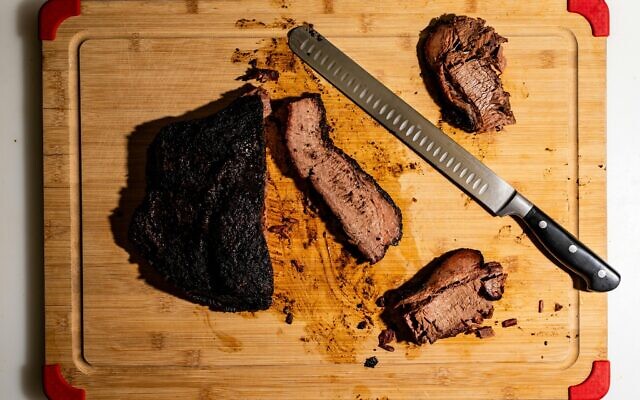
Practicing cobra, child or mountain poses may prove challenging for some. In that case, other pre-Rosh Hashanah undertakings are occurring nearby. At Congregation Poale Zedeck, a Wednesday evening program encourages women to study holiday-related material with a partner. At The Second Floor, a space for teens inside the Squirrel Hill JCC, a Sept. 18 meeting of the volunteerism club will feature brisket, desserts and an opportunity to set new year’s goals as a lead-up to Rosh Hashanah.
Throughout the community, programs and exercises encourage people to approach the High Holidays with thought and care. But the seriousness of the period doesn’t mean fun can’t be had.
At a barbecue during Elul, which allowed faculty and parents of Yeshiva Schools of Pittsburgh to break from a week of back-to-school preparations, one attendee delivered a seasonal sound.
Standing beneath a shelter at Schenley Park, he blew the shofar, Rabbi Yossi Rosenblum, Yeshiva’s CEO and head of school, said.
Sounding the ram’s horn is a wake-up call that Rosh Hashanah is rapidly approaching.
For some, hearing its blast will spur thoughts about one’s relationship with the divine, Finman said.
Right now, the spiritual leader’s thoughts are elsewhere.
She said that after hearing the shofar at the conclusion of the Rosh Chodesh program, she’s thinking about relationships between people.
With Rosh Hashanah arriving shortly, she said, “We better shape up or ship out.” PJC
Adam Reinherz can be reached at areinherz@pittsburghjewishchronicle.org.
comments