
Gathering together is common sermon theme this High Holiday season
“My overarching hope is that congregants will find spiritual renewal in the process of teshuvah and words of wisdom applicable to their lives from the sermons." — Rabbi Aaron Meyer
For Rabbi Seth Adelson of Squirrel Hill’s Congregation Beth Shalom, writing his High Holiday sermons – his most widely heard sermons of the year – is a months-long affair.
“First of all, my theme, I settle on six or eight months earlier,” Adelson told the Chronicle. “My theme this year is ‘Being There.’ As we are emerging from the pandemic, gathering together in person … is extremely important.
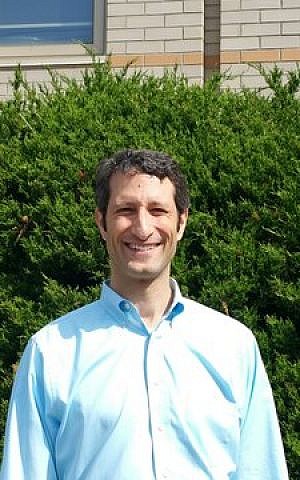
Adelson, like several other area clergy the Chronicle spoke to about their High Holiday sermons, is focusing on a challenge met — be it weathering the pandemic or dealing with society’s socio-political stressors.

“Hoping to address the needs of the modern Jewish community in the same style, I will be offering insights into retaining our ethics and highest values in the ever-increasingly digital world, helping people realize and normalize that it’s OK to not be OK when facing the pressures of that world, and speaking about the ways Jewish institutions and synagogues need to evolve to meet the contemporary needs of the Jewish community,” Meyer said.
Temple Emanuel student cantor Sierra Fox is “thinking about science, space and the ongoing unfolding of the mysteries of creation,” Meyer said.
“Jews have a long history of making choices and acting in ways that challenge the thinking of their rabbis,” Meyer said. “The shift and evolution in patterns of involvement brought about with the COVID-19 pandemic have synagogue leaders wringing our hands, but it is from us that change is long overdue.
“My overarching hope is that congregants will find spiritual renewal in the process of teshuvah and words of wisdom applicable to their lives from the sermons,” he added. “If people think more deeply or differently about their lives and are informed or inspired by Jewish tradition after hearing my sermons, I have done my job.”

In ancient Israel, every seventh year was the Shemitah, or “sabbatical,” year, Altein explained. At the onset of the eighth year, on the second day of Sukkot, Jews traditionally gathered in the Holy Temple for a dose of inspiration. He called this the Year of Gathering or Shana Hokhel.
“Every year is a unique year and there’s something unique about each year — we’re trying to find a unique message we can share on Rosh Hashanah,” Altein said.
“In our day and age,” he continued, everyone reacts quickly to things, “and the negative messages go viral in our world … We want to create an action plan, we want to create a lot more positive energy in our lives.”
Altein grew up in Crown Heights, Brooklyn, following the teachings of the Lubavitcher Rebbe. He said he is looking back to those teachings — specifically, the Rebbe’s writing about the Shana Hokhel for 1987/1988 — for inspiration.
“I want them to walk away with the idea that the gathering is not just about getting together,” Altein said.
(File photo)
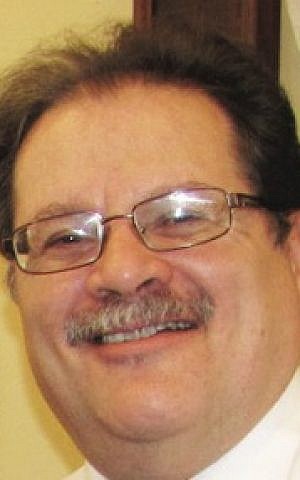
“I want to make everyone in the synagogue feel welcome, and show this is a place that can unite,” Lehrer told the Chronicle. “I’m happy to educate a lot — and I won’t talk about politics because that doesn’t fit with my conception of unity, of bringing everyone together.”
Cantor Michele Gray-Schaffer of Congregation B’nai Abraham in Butler County also has politics and unity on the mind.
“I really want to concentrate on Jewish values because of the political and social landscape,” Gray-Schaffer said. “I just want to go back to what values from our tradition are shown to us in the High Holy Days readings and which ones we should model our lives on.”
B’nai Abraham’s situation is unique, she said, as it is one of few Jewish places of worship or Jewish gathering places north of Allegheny County and south of Erie County.

But, above all, most of the spiritual leaders the Chronicle spoke to echoed a point best articulated by Lehrer.
“I don’t want to give away too many secrets,” he said, “or no one’s going to want to listen to me!” PJC
Justin Vellucci is a freelance writer living in Pittsburgh.
comments