
Rabbi Mark Goodman to leave Congregation Beth Shalom
"I’m 49 and only have so many years on the earth to serve God and the Jewish people. I would love to do that in a way that is most authentic to who I am."
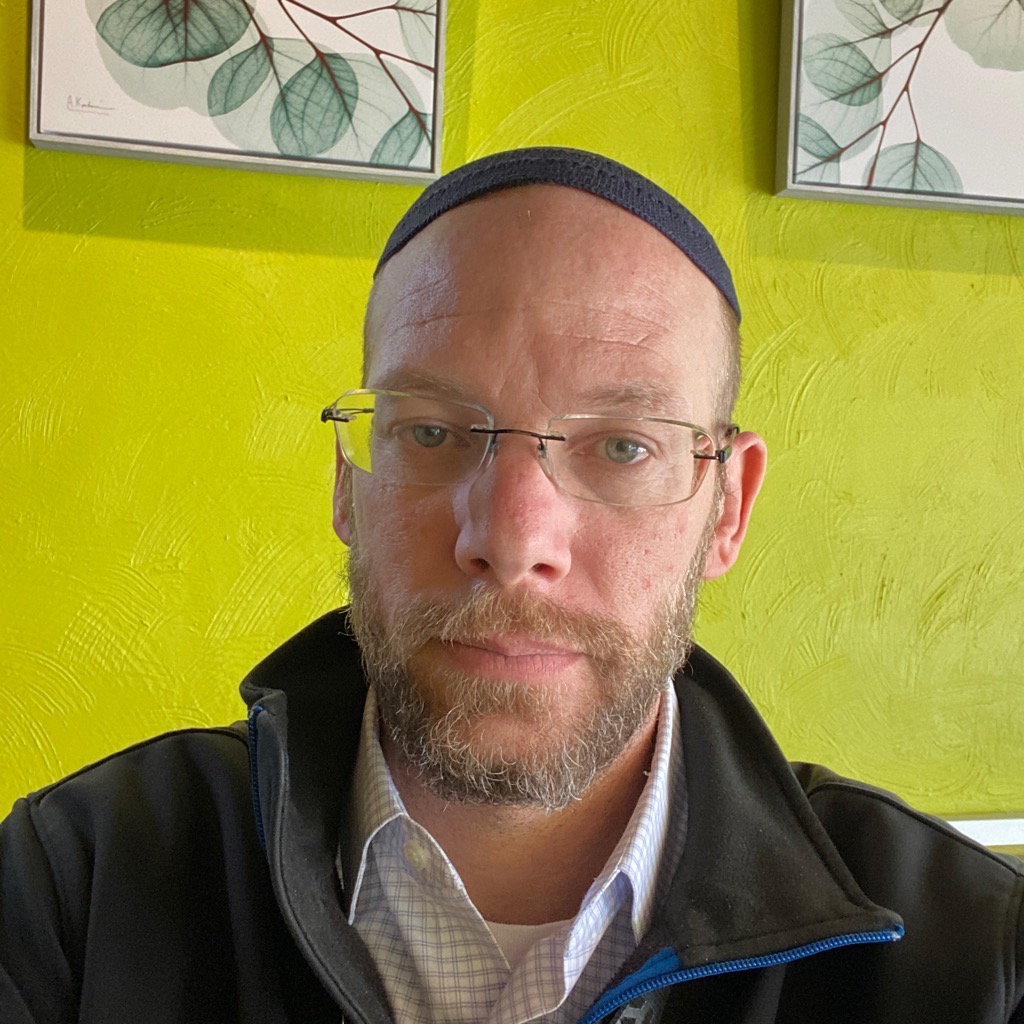
Rabbi Mark Goodman is ready to turn the page.
In a Nov. 24 Facebook post, Goodman announced that when his contract at Congregation Beth Shalom expires at the end of June 2026, he will move on from the Conservative congregation where he has served for the last five years.
“The standard rabbinic contract is either two or five years. Senior rabbis usually get five years; assistant and associate rabbis get two years. I did two years and then I did another two years — before that I had a staff job at Beth Shalom for year,” Goodman said. “It’s been a really great experience, but it’s time to move on to something else.”
Goodman initially served as the interim director of the synagogue’s Derekh and Youth Tefillah program after the departure of Rabbi Jeremy Markiz.
When the congregation decided to hire an assistant rabbi, Goodman said he thought “it would be great for Pittsburgh to bring in some young, new rabbi — maybe a woman or a gay rabbi, but I didn’t really think of myself.”
And while he was familiar with the congregation, Goodman didn’t think he necessarily was the right fit, partially because he was already committed to Brith Sholom, a congregation in Erie, Pennsylvania, where he led High Holiday and monthly Shabbat services, a role which he continues.
After an initial search, Beth Shalom asked Goodman if he’d take the job.
“I was like, ‘I’ve never considered myself an assistant or associate rabbi, but I’ll give it a try,’” he said.
Goodman said he is grateful for the opportunity to serve the community over the last four years — including pastoral work and filling in for the congregation’s Senior Rabbi Seth Adelson.
The prospect of a new contract, though, caused Goodman to ponder the future.
“Ultimately, I only have a few years left as a rabbi. I’m 49, so I’ve got about 15 more good years left in me,” he said. “It’s time for me to go and do the things I’ve always dreamed of doing.”
And while he isn’t sure what the future will bring, Goodman said he hopes to remain in Pittsburgh.
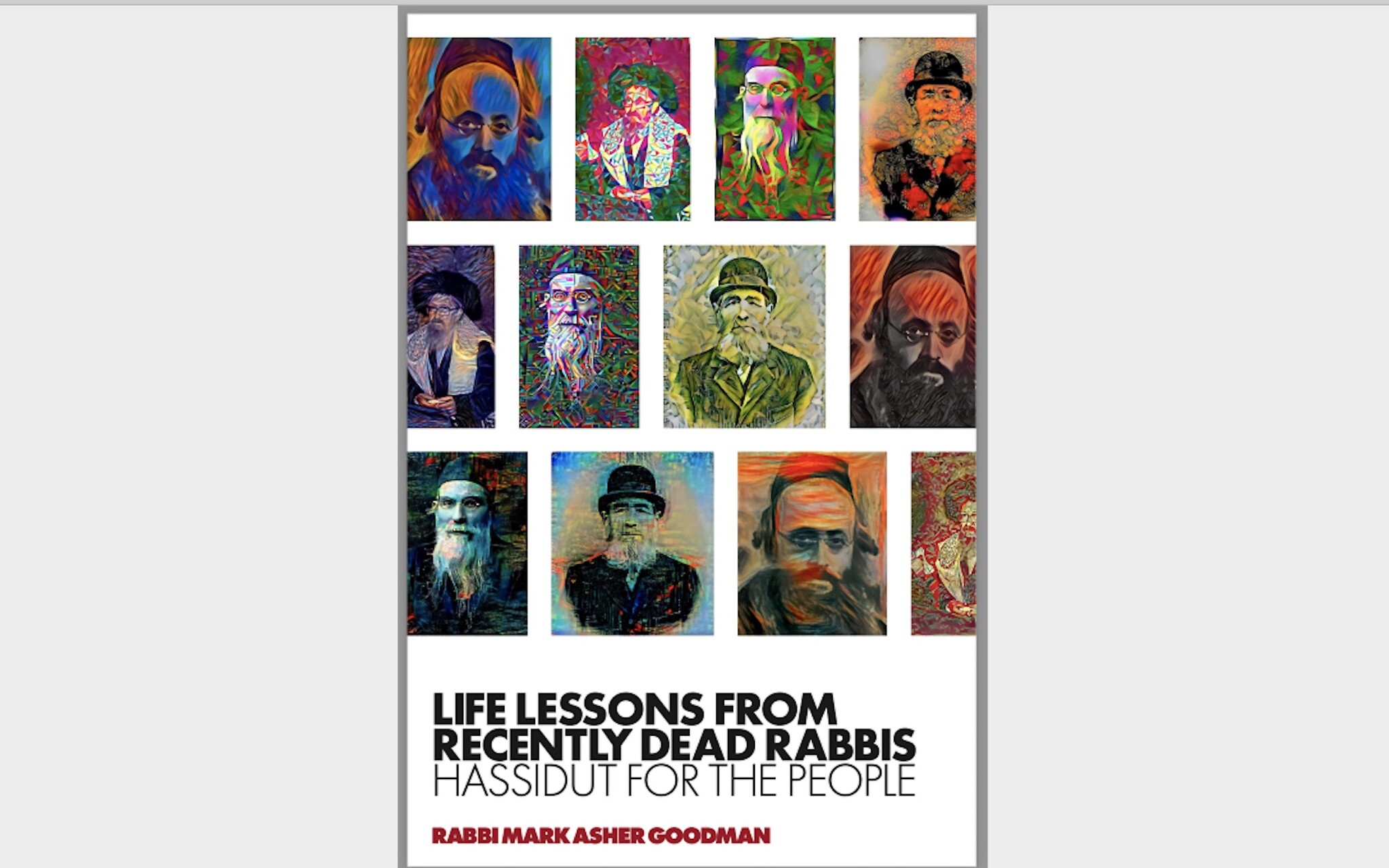
The rabbi, who has a passion for Hasidic Judaism, has a wealth of opportunities. He is the author of the book “Life Lessons from Recently Dead Rabbis: Hassidut for the People,” and teaches a course on the movement, something he plans to continue in some form after his tenure at Beth Shalom ends.
He also hosts a podcast about soccer, and photographs and writes about the sport.
Goodman is taking time to weigh his options but said there is a certain amount of anxiety and tension when leaving a position.
“The way it works in rabbi employment is you look, you leap and then you land,” he said. “You have to depart one place and then it’s months before the next thing comes along. I hope to continue in Pittsburgh because my family is here, my wife’s employment is here, my kids are in school here and they have years to go until they finish.”
Goodman grew up Reform but decided to become a rabbi in the Conservative movement because of its “tradition and observance,” he said.
He was ordained from the Ziegler School of Rabbinic Studies in 2006. He was a teacher of Talmud and Jewish law in San Francisco from 2006 to 2011 before serving as the rabbi and director of Judaic studies at the Denver Jewish Day School from 2012 to 2017. He concurrently served as the rabbi for Congregation Har Mishpacha in Steamboat Springs, Colorado, until 2018.
In Pittsburgh, he is a past president of the Greater Pittsburgh Jewish Clergy Association and is on the clergy council of Squirrel Hill Stands Against Gun Violence, CeaseFirePA and HIAS. He is also part of the spiritual leaders’ caucus of the Pennsylvania Interfaith Impact Network.
He hopes to use his varied experiences and focus on areas of Judaism that have been the most important and meaningful to him: teaching Torah — particularly Hassidut and Talmud — social justice and social action.
“Some kind of project or organization where I can do those things to the best of my ability would be ideal,” he said.
In a letter to the congregation, Beth Shalom President Paul Teplitz wrote that Goodman’s “teaching has touched so many of us, not just through the breadth of his knowledge, but through the clarity and genuine passion he brings to every class, sermon, and conversation.”
Goodman, he said, makes the Torah “accessible, uplifting, timeless and deeply personal.”
Beth Shalom, he continued, is grateful for the rabbi’s time, commitment, contribution and heart.
“We wish Rabbi Goodman every success as he moves forward in his rabbinic journey and in all that lies ahead for him and his family,” Teplitz concluded.
The congregation, Teplitz told the Chronicle, is assessing its options to “meet and exceed the needs of our congregants.”
For Goodman, the future may be rooted in the past.
“I’ve been studying all these [Hasidic] rabbis and quoting them — granted, they lived in the 1800s, so life was different — but the Sfat Emet only lived to the age of 47 and the Kotzk rebbe died at 51. I’m 49 and only have so many years on the earth to serve God and the Jewish people. I would love to do that in a way that is most authentic to who I am and what I think is the future of 21st-century Judaism,” he said. “I hope I can find a job that allows me to do that right.” PJC
David Rullo can be reached at drullo@pittsburghjewishchronicle.org.
comments