
Anniversary brings rebrand and recommitment to Hebrew Free Loan Association
More than century after organization's start, HFLA remains 'focused on finding all the ways that we can be a valuable resource to help people in our community'
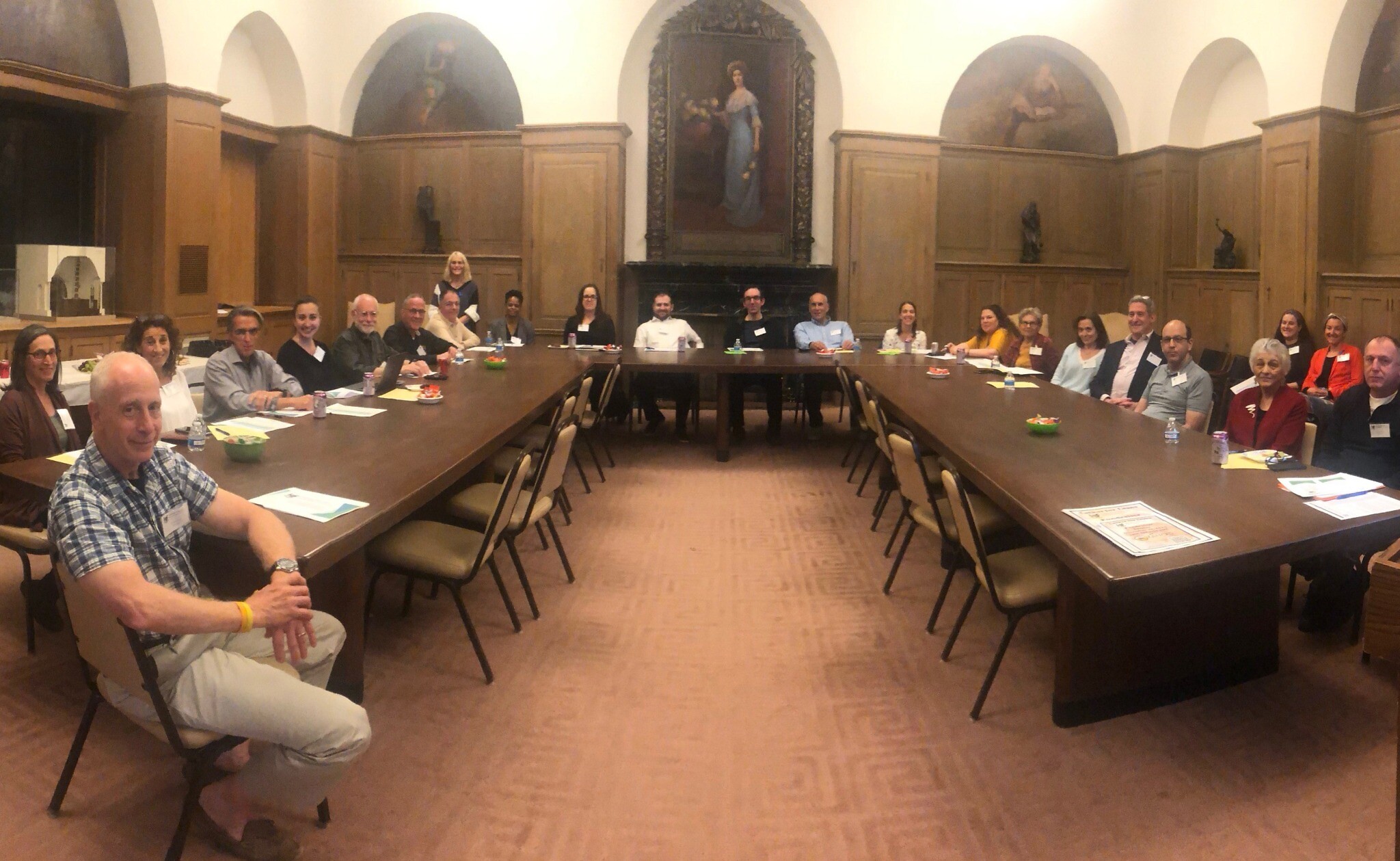
Hebrew Free Loan Association is touting its past while ensuring a future. In recognition of its storied history, the group is welcoming current and past board members, supporters and staff for a private event March 18.
The program, HFLA Executive Director Amanda Hirsh said, is an opportunity to celebrate collaborations and the importance of supporting interest-free loans while “being part of our community.”
Since 1887, the organization has been a microlender to individuals across Pittsburgh.
HFLA’s origins, Hirsh explained, trace to the Hill District and congregants who possessed extra money following an event.
“They knew about a woman, a recent widow, in their synagogue who needed some money to buy a sewing machine. They tried to give it to her as a gift, but she said she would only take the money if it was as a loan,” Hirsh said. As the woman repaid the interest-free loan, “folks were able to make new loans as a result.”
The pattern has followed for 139 years with a slight organizational change in 1926.
At the time, community needs had changed, Eric Lidji, director of Rauh Jewish History Program & Archives, said. “The 1920s were a dynamic time in Jewish Pittsburgh,” Lidji said. “The community was growing and spreading out and interacting with its neighbors in new ways. It had pockets of great wealth, as well as persistent poverty. Amid these changes, Hebrew Free Loan reorganized. It took an English name, expanded its mission to include non-Jewish clients and restructured its board with the goal of getting younger members.”
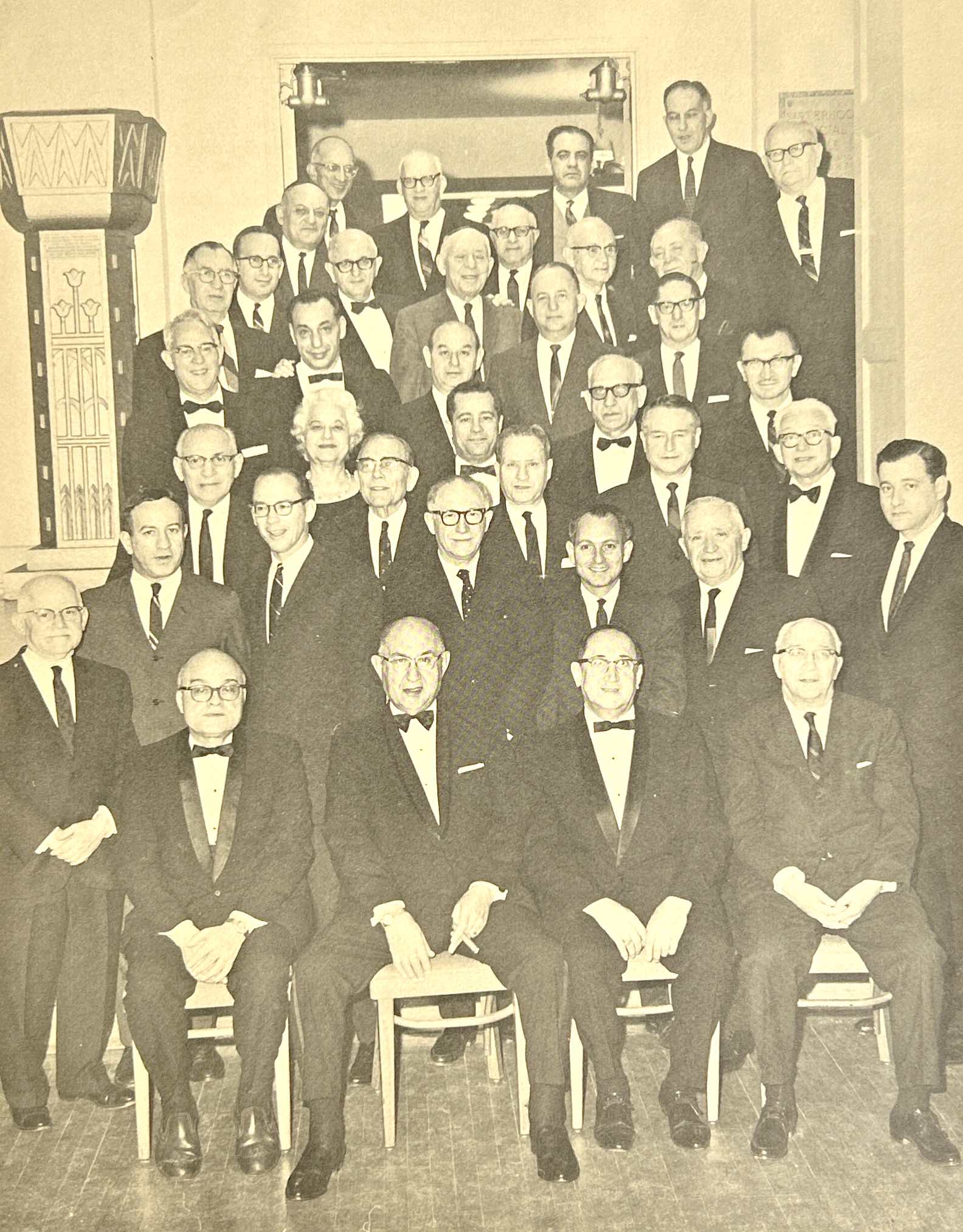
Lidji will share more about the group at the upcoming event, and said he believes HFLA’s changes in 1926 “may have helped the group survive the extreme demands of the 1930s and beyond.”
One century since those changes, it’s important to both look back and ahead, Hirsh said.
Much like the group rebranded a century ago — when it formally changed its name from the Gemiluth Chasodim Society of Pittsburgh to the Hebrew Free Loan Association of Pittsburgh in 1926 — similar efforts are now underway, Hirsh said.
A new logo, website and videos with borrowers will be unveiled, she continued.
The mission, however, remains the same.
Interest-free loans are made on a nonsectarian basis to residents of Allegheny, Westmoreland, Washington, Butler, Beaver and Armstrong Counties who have a source of income and may not qualify for assistance through other institutions, according to HFLA representatives.
Loans can be up to $10,000 and are typically paid back within 24-36 months, Hirsh said.
Possible loan uses include college tuition, home improvements, fertility treatments, debt consolidation and family emergencies. Loans are not provided for utility bills, car payments or cash flow.
Hirsh said HFLA offers people loans “when they need a hand up for something, as opposed to a handout.”
Both now and since its inception, the organization has remained “focused on finding all the ways that we can be a valuable resource to help people in our community when they have an expense that they might not be able to take care of,” Hirsh said. “We want to celebrate that we’ve been part of this community for 139 years, and that we plan to be here another 139 years, and we’ll keep doing the same thing to help make everyone in our community strong and connected.” PJC
Adam Reinherz can be reached at areinherz@pittsburghjewishchronicle.org.
comments