
Every contribution matters this giving season
Tzedakah is our obligation to help create a fairer world where those who have more than they need share with those who have less.

I’ve been honored to stand with Pittsburgh’s Jewish community and its deep commitment to helping neighbors in need — Jewish and non-Jewish — during my nearly 25 years at JFCS. My colleagues and I have walked alongside people facing intense personal struggles like family challenges, mental health concerns and financial hardship, as well as community crises like COVID, the Pittsburgh synagogue shooting, and the harmful rhetoric aimed at our immigrant neighbors.
Throughout these years, one trend has been a constant — the growing divide between the “haves” and “have-nots.” Over the years, the wealthiest Americans have grown more affluent while the poorest have fallen further behind. Today, the richest 10% of Americans hold two-thirds of our country’s wealth, while the top 1% own nearly as much as the bottom 90%.
The reasons for this gap are complicated, and I’m no expert on wealth inequality. I do, however, see its impact on people right here in our Pittsburgh community. It’s most clear at the end of the year, when many of us are busy preparing for the holidays. While some of us are planning elaborate meals or buying holiday gifts for loved ones, others are struggling to find ways to celebrate more simply — and affordably.
Get The Jewish Chronicle Weekly Edition by email and never miss our top stories Free Sign Up
Many of us who are financially secure don’t take our circumstances for granted, are grateful for what we have, and are aware that others aren’t as fortunate. That’s why so many people choose to give back during this time of year, making the end of the year known as “giving season.” For many, generosity isn’t just a kind gesture — it’s a spiritual calling.
Jewish teachings and tradition encourage giving tzedakah. Often translated as “charity,” its root means “justice.” Tzedakah is our obligation to help create a fairer world where those who have more than they need share with those who have less. This is how we build a society where everyone is treated with dignity and valued equally.
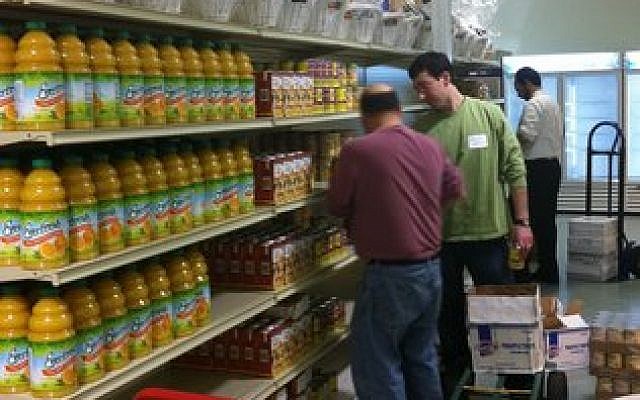
This year has been particularly difficult for many of our neighbors. Financial stress has grown throughout the year but is hitting a new peak just as the calendar year is winding down. For example, the JFCS Squirrel Hill Food Pantry, like many others nationwide, has seen nearly twice as many people in need in 2025 compared to 2024, with steady monthly increases.
How do financially vulnerable families cope during the holidays? Often by sacrificing essentials, like prescription medications or necessary home repairs, to afford gifts and special holiday meals. Gift-giving is central to many holiday traditions and food is a big part of nearly every Jewish holiday (“They tried to kill us, they were defeated, now let’s eat”). But those who can’t afford the typical festive foods may feel left out during a season meant for celebrating connection and togetherness.
Holiday spending can also create lasting financial strain. Credit card debt, payment plans, or borrowing from friends and family can lead to long-term financial challenges and even relationship tension long after the season ends.
This pressure can have a negative impact on people’s emotional and physical health. We know that financial stress commonly contributes to anxiety and depression and can also affect physical health, causing insomnia, headaches, high blood pressure and more.
So what can we do to help? While financial contributions are important and appreciated, giving back during the holiday season does not have to mean donating money. There are countless ways to help — coordinating a food drive for a local food pantry, visiting older adults, or making no-sew blankets for nearby shelters are all meaningful ways to make a difference.
However you choose to give back this holiday season, your generosity will make a real difference for a neighbor in need. Everyone has something to offer, and each act of kindness can bring hope, comfort and connection to someone going through a hard time. PJC
Jordan Golin is the president and CEO of Jewish Family and Community Services of Pittsburgh.
comments