
A unique window for charitable giving before 2025 ends
For donors considering substantial contributions, multiyear pledges, or legacy gifts, 2025 may offer the best opportunity in years to optimize giving.

If you have ever considered making a larger charitable gift, this may be the year to do it. The recently enacted One Big Beautiful Bill Act has created a short-lived but significant tax opportunity that expires at the end of 2025, and financial experts are urging donors to act before the window closes.
Under current law, taxpayers who itemize can deduct charitable contributions up to 60% of their adjusted gross income. Beginning in 2026, however, OBBBA introduces two important changes. The first is a new 0.5% AGI “floor,” meaning that only charitable contributions exceeding that threshold will be deductible. For many middle- and high-income taxpayers, this means a portion of their giving will simply no longer count toward tax deductions. The second change reduces the maximum tax benefit of itemized deductions for those in the highest income bracket, from 37% down to 35%. While a 2 percentage point difference may sound modest, for sizable gifts it can translate into thousands of dollars in reduced tax benefit.
In practical terms, the same charitable gift could yield a smaller net advantage if made after these new provisions take effect. For donors considering substantial contributions, multiyear pledges, or legacy gifts, 2025 may offer the best opportunity in years to optimize giving.
Get The Jewish Chronicle Weekly Edition by email and never miss our top stories Free Sign Up
The looming shift has prompted a growing number of financial planners to call this period a true “tax-planning window.” For some donors, it could make sense to “pull forward” several years’ worth of charitable giving into 2025, effectively taking advantage of today’s more favorable rules while still ensuring that organizations receive support over time. This approach allows individuals and families to lock in the current deduction structure without having to part with funds all at once in terms of grant distribution.
Here in Pittsburgh, where charitable giving runs deep and where our community has a history of stepping up in decisive moments, donors are already exploring tools that offer both flexibility and strategic advantages. Chief among them is the donor-advised fund, which continues to gain traction nationwide and has long been a meaningful philanthropic vehicle within the Jewish Federation of Greater Pittsburgh.
A DAF allows donors to make a contribution now, securing the immediate tax benefit, while retaining the ability to recommend grants in the years ahead. This flexibility has become especially valuable as organizations navigate evolving needs and respond to unexpected crises. Through a DAF, donors can support Jewish communal institutions, synagogues, social service organizations, Israel-related causes and secular nonprofits from one convenient account. The funds are invested professionally, giving contributions the potential to grow and ultimately increase charitable impact.
Local financial advisers and philanthropic professionals anticipate a rise in DAF openings and contributions as awareness of OBBBA’s implications spreads. Some donors may fund a DAF with appreciated securities, leveraging an additional tax advantage by avoiding capital gains tax while maximizing their deduction. Others may choose to use bonuses, year-end income or business earnings to establish or significantly bolster their charitable fund before Dec. 31, 2025.
Of course, each donor’s financial situation is unique. Not everyone will benefit equally from shifting giving strategies, and not every household itemizes deductions. That’s why trusted advisers recommend reviewing charitable, tax and estate planning goals sooner rather than later. The key is to evaluate whether advancing gifts into 2025 aligns with your values, your financial picture and your long-term philanthropic aspirations. With new limits beginning in 2026, this year presents a rare, time sensitive opportunity to make a lasting impact while maximizing the tax advantages of giving.
As always, thoughtful giving is not only a financial decision but also a reflection of the world we aspire to build. This brief window created by OBBBA gives our community a chance to strengthen the institutions and causes that shape Jewish life in Pittsburgh and beyond. PJC
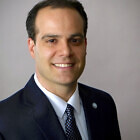
Roi M. Mezare, associate vice president of Development & Foundation at the Jewish Federation of Greater Pittsburgh. The Jewish Federation of Greater Pittsburgh is not a licensed tax, legal or investment advisor, and this information is not intended as advice. Please consult with your legal and/or financial advisors for guidance specific to your situation.
comments